BETA: The search and map are new features with further enhancements planned. VisitScotland is not responsible for the content of external links and accepts no liability for any reliance on these.
Cookies need to be enabled to watch this video
JavaScript needs to be enabled to watch this video. You can turn this on in your browser settings.
Image: Baleshare beach in North Uist
Outer Hebrides
The Outer Hebrides is a group of islands that sit off the west coast of Scotland, each with its own unique way of life. The Hebridean islands offer wild Atlantic waves, diverse wildlife and vibrant Gaelic culture. National Geographic has named the Outer Hebrides as one of the ‘Best of the World’ destinations for travellers in 2025. Add this region to your travel list and start planning your adventure today!
Get the latest updates on Scotland's ferries to plan your trip - spring and summer 2026 sailing information is now available and Scotland's islands are ready and open to visitors.
Great things to do in the Outer Hebrides
From spectacular coastal walks to wildlife tours, explore things to do in the Outer Hebrides.
Awesome activities in the Outer Hebrides
Enjoy adventure or relaxation in the Outer Hebrides.
Outstanding Hebridean wildlife
The Outer Hebrides offer plenty of experiences to get close to nature.
Why the Outer Hebrides is the Happiest Place in the UK
Delve into why people in the Outer Hebrides are amongst the happiest!
Slow down and unwind in the islands
Experience wellness in the Outer Hebrides.

St Kilda World Heritage Site
St Kilda is composed of five unique islands, Hirta, Dùn, Soay, Boreray and Levenish, alongside a number of towering sea stacks and islets.
Get involved in Gaelic culture
Discover the Gaelic language in the Outer Hebrides.
Top days out ideas
Experience the Northern lights or visit one of the stunning islands of St Kilda.
See the Northern lights
See this spectacular display in the Outer Hebrides, an elusive but unforgettable experience.
The Hebridean Way
Walk or cycle this epic trail which takes you from Vatersay to the Butt of Lewis.
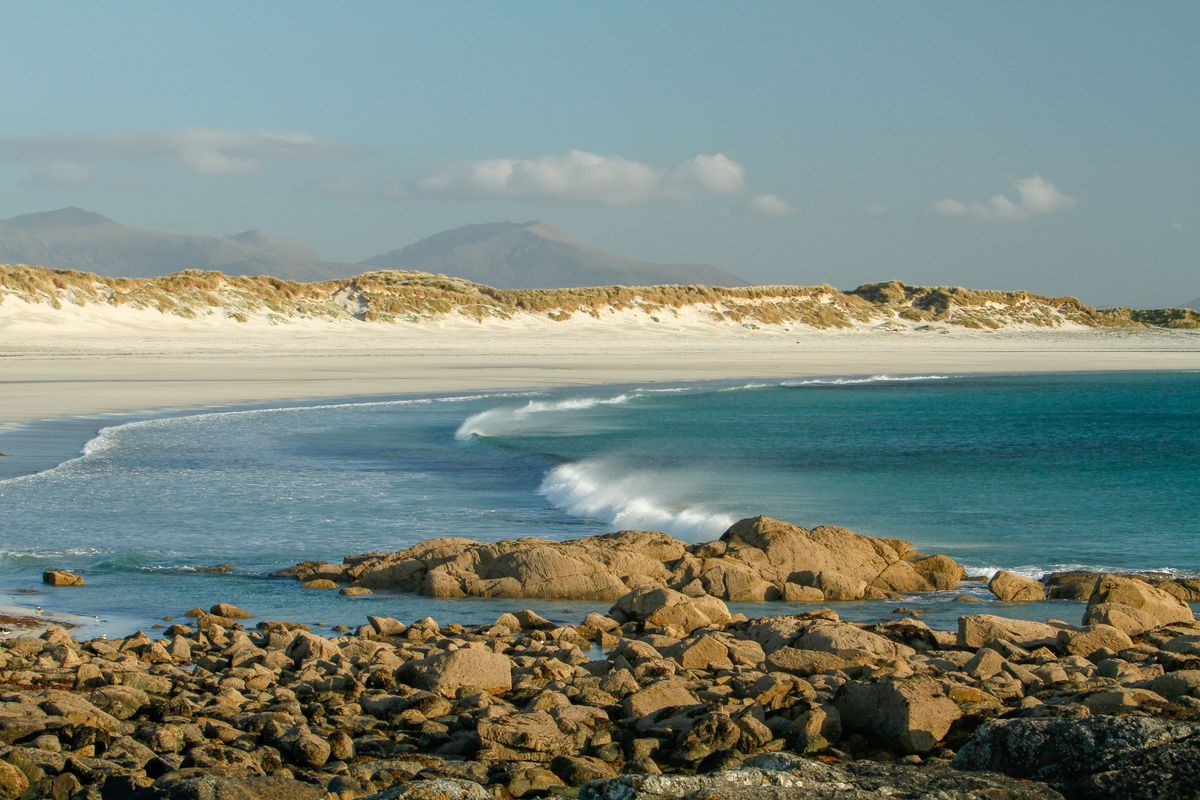
Museum nan Eilean Lionacleit
Museum nan Eilean Lionacleit is on the Isle of Benbecula, a sister museum of Museum nan Eilean, Stornoway.
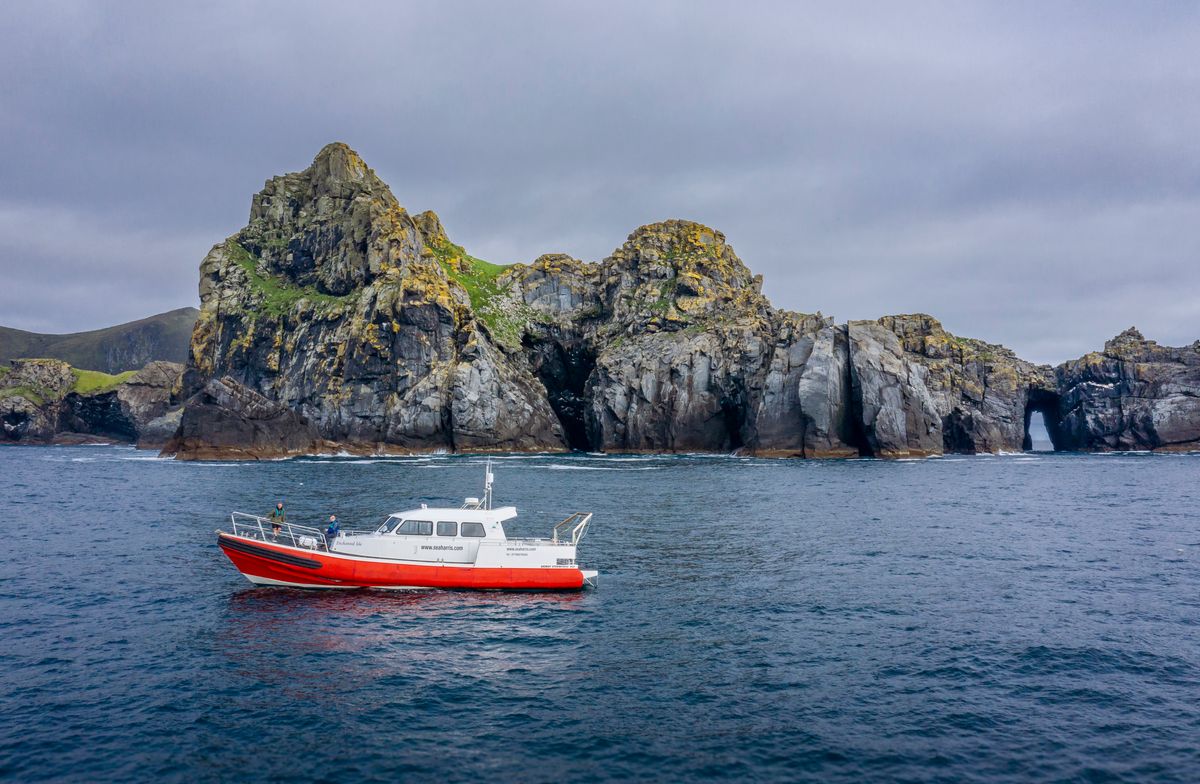
Boat tours in the Outer Hebrides
Set sail around Scotland's beautiful islands.
39 Things to do on the Isle of Lewis
Check out travel blogger, My Voyage Scotland's, top recommendations on the best things to see and do around Lewis.
Hebrides People - find your family
Trace your family and find out more about your ancestry and history.
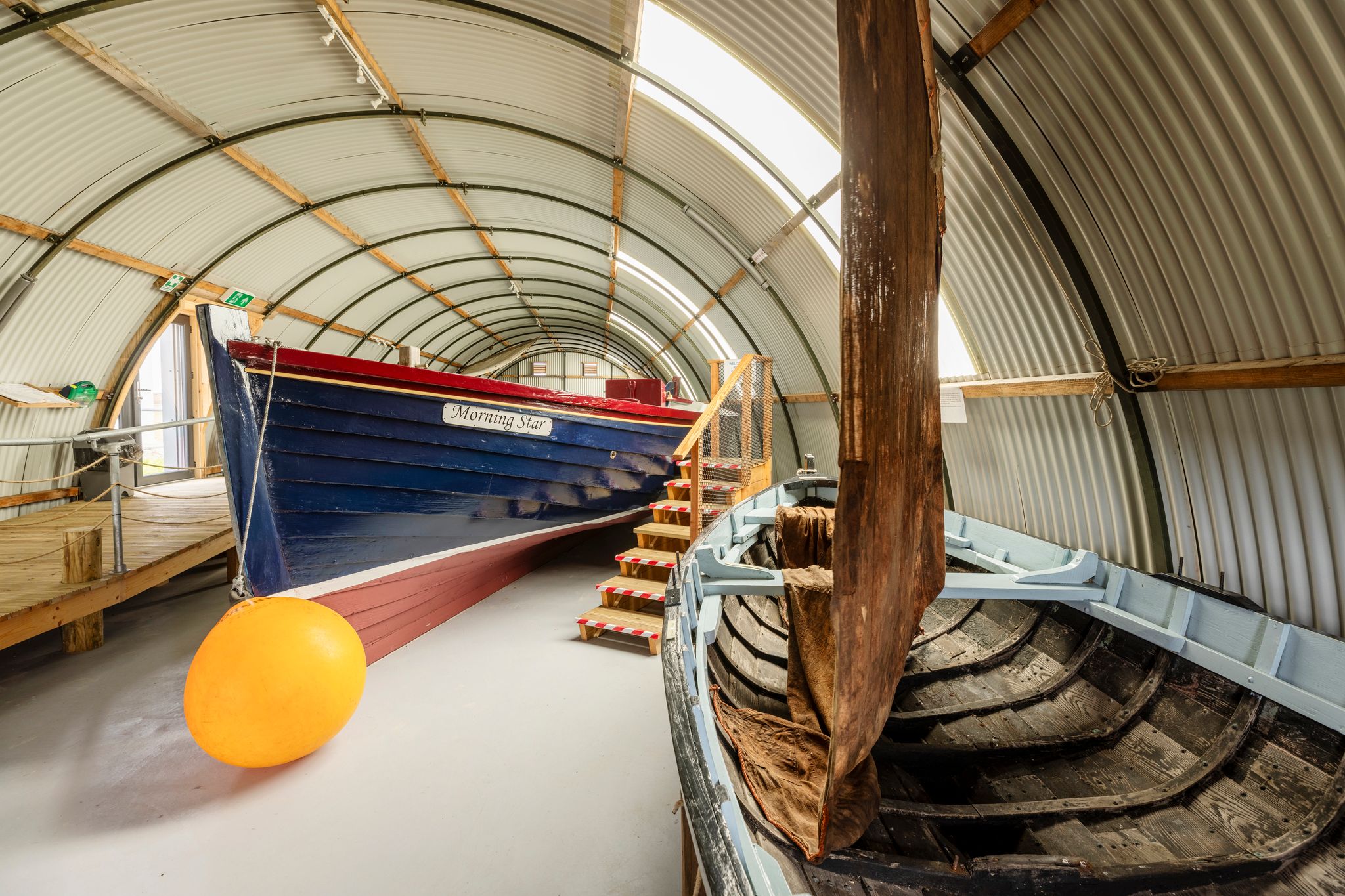
Passes & offers
Look for special offers, exclusive discounts, and unbeatable packages on last-minute accommodation in the Outer Hebrides.
Archaeology in the Outer Hebrides
Find out more about the islands through history. Discover Neolithic stone structures, medieval castles and even mummies!
Inspiring routes, trails & itineraries
Check out our ideas for curating your trip to the Outer Hebrides, including dramatic cycling routes and historical tours.
The Butt of Lewis Lighthouse
Follow a route
From book trails to bird walks, it's amazing to be out & about in the Outer Hebrides.
See what's on in the Outer Hebrides
Discover a jam-packed programme of events in the Outer Hebrides.
Guillemots and razorbills at Shiant Islands
Events
You'll find everything from arts and culture to wildlife events.
Map of the Outer Hebrides
Explore Outer Hebrides
Loading
Javascript is needed to show this map.
Javascript is needed to show this map.
How to travel to and around the Outer Hebrides
Getting to
Ferry
You can access the Outer Hebrides with a ferry from the mainland. Caledonian MacBrayne (CalMac) operates ferries from Oban, Mallaig, Uig and Ullapool, on Scotland's west coast.
Travel to the Outer Hebrides by ferry
There are numerous marinas in the Outer Hebrides, so why not travel by sail-boat?
Flying
Travelling to the Outer Hebrides is all part of really experiencing the islands - you can choose to fly to Stornoway or Benbecula with Loganair.
Getting around
Cycling
Why not explore the islands on a cycling holiday? Follow the Hebridean Way Cycling Route and pedal over 10 islands in the archipelago, passing some incredible attractions and scenery along the way.
Bus and coach
Local bus services connect major villages, and there are plenty of great organised tours and taxi services that you can take advantage of.
Travel around the Outer Hebrides by bus
New for 2026, travel around the Outer Hebrides by bus for just £2 for a single fare! This offer is open to locals and visitors alike, letting you discover more during your trip.
Ferry
Make saving on ferry journeys between islands and take advantage of HopScotch tickets issued by CalMac.
Driving
If you're planning to drive around the Outer Hebrides, make sure you're familiar with the rules for driving in the UK.
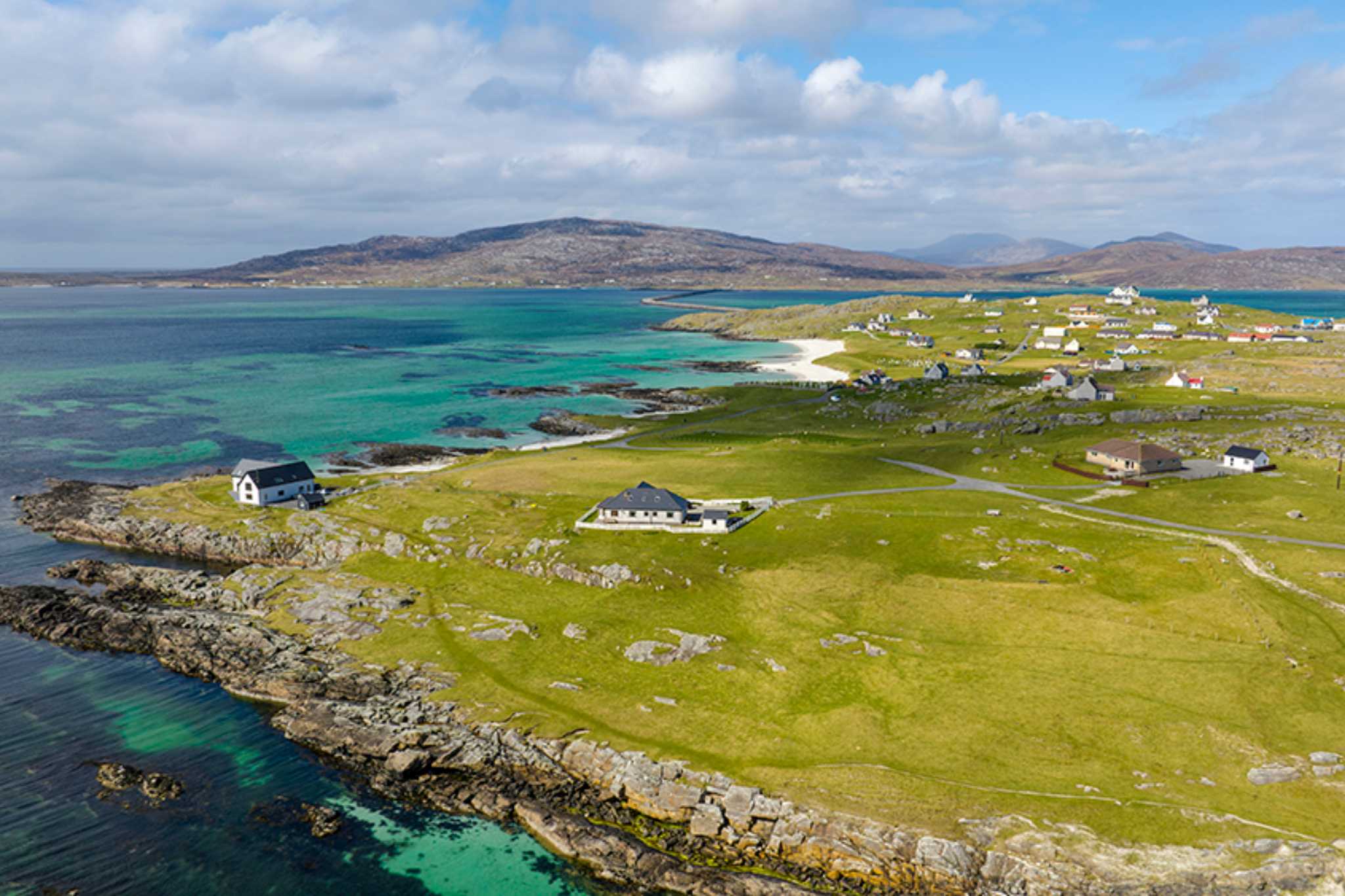
Eriskay, Outer Hebrides
© VisitScotland / Kenny Lam
Places to stay in the Outer Hebrides
Explore accommodation ideas for your trip to the Outer Hebrides. Choose hotels, self-catering or beachside campsites. Always book in advance during summer.
Fresh Scottish seafood
Places to eat in the Outer Hebrides
Get a flavour of the islands with world-class seafood, Stornoway Black pudding and award-winning gin.
Berneray Causeway
© VisitScotland / Kenny Lam
Find information on accessible trips
Enjoy island life in comfort with accessible trip ideas and accommodation.
Explore by area
The Outer Hebrides are made up of over 70 islands, although only 15 are inhabited.
Lewis & Harris
Discover Lewis and Harris, with holiday ideas, accommodation, travel information, maps and things to see and do.
Isle of Barra
Long famed for its beauty - boasting beaches, hills, machair and moor all in a small island.
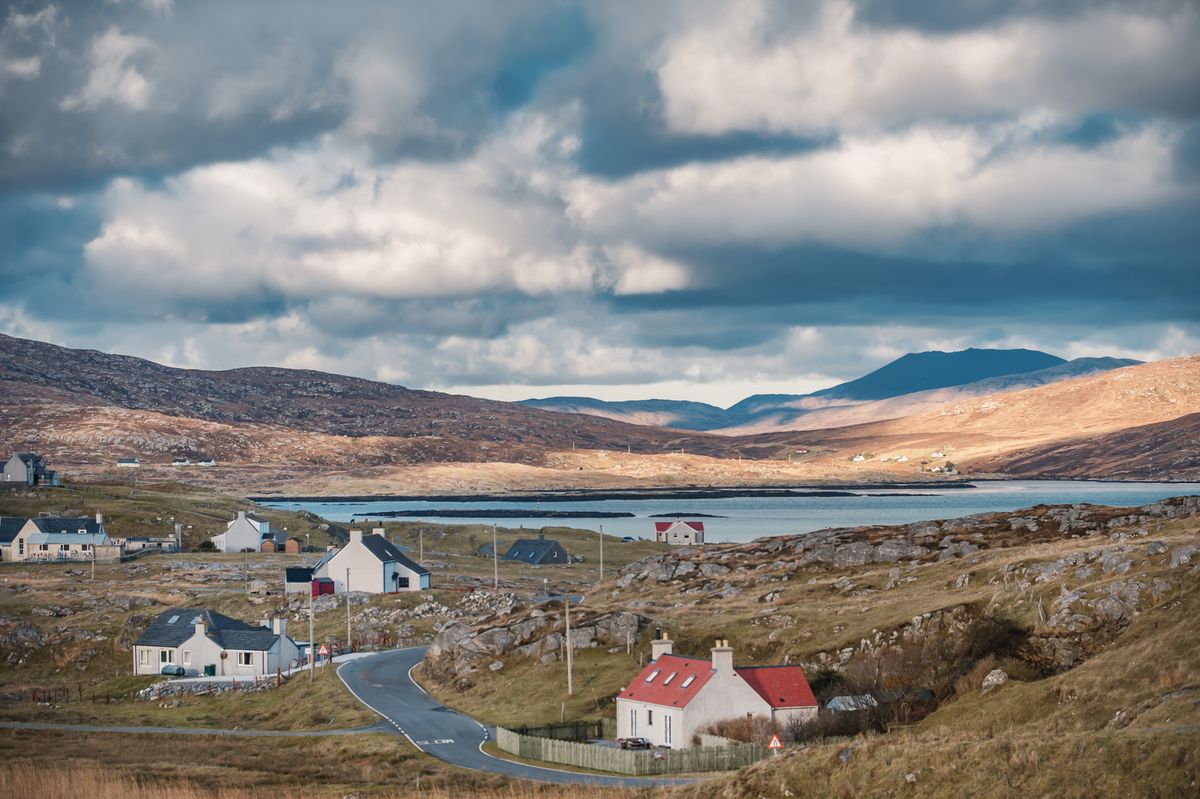
North Uist
North Uist is a paradise for wildlife and beach lovers and lies between Harris and Benbecula in the Outer Hebrides.
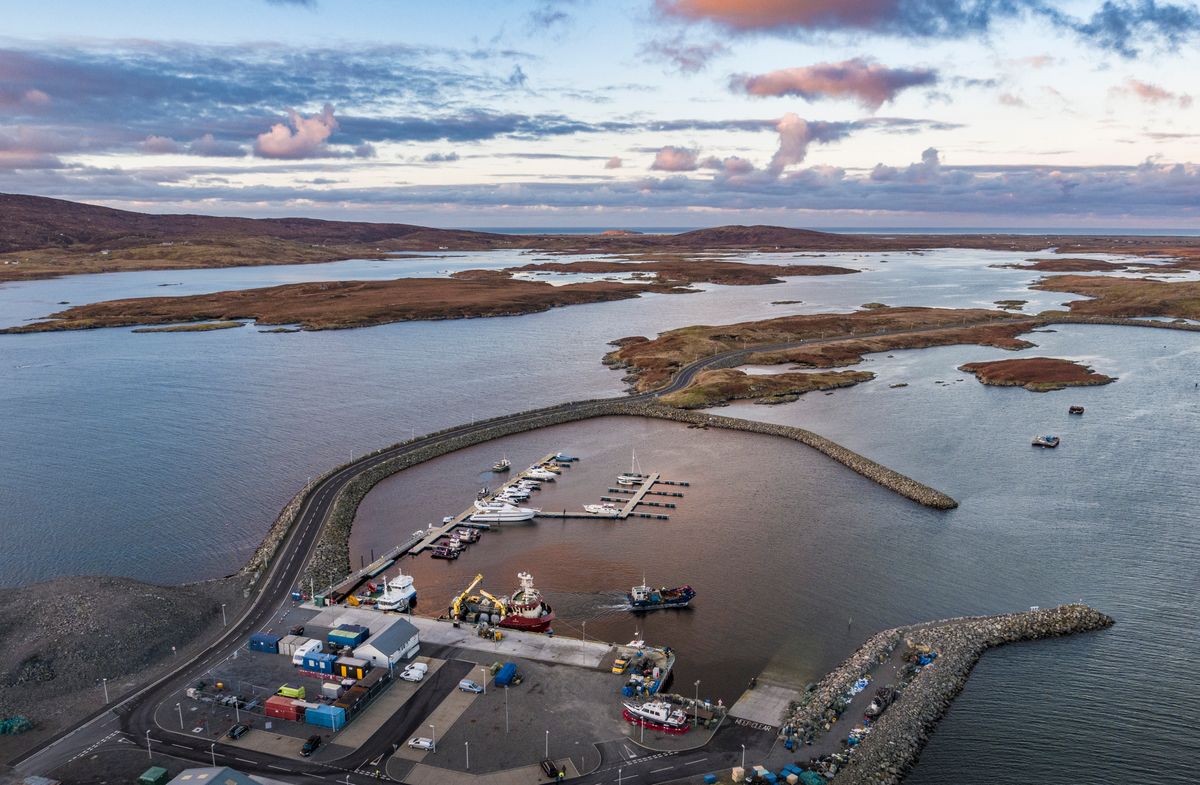
South Uist
South Uist is a relatively large island lying between Barra and Benbecula in the Outer Hebrides.
Benbecula
The small island of Benbecula lies between North and South Uist in the Outer Hebrides.
Berneray
Berneray is home to a wide range of wildlife including seals, stunning white sandy beaches and extraordinary seascapes.
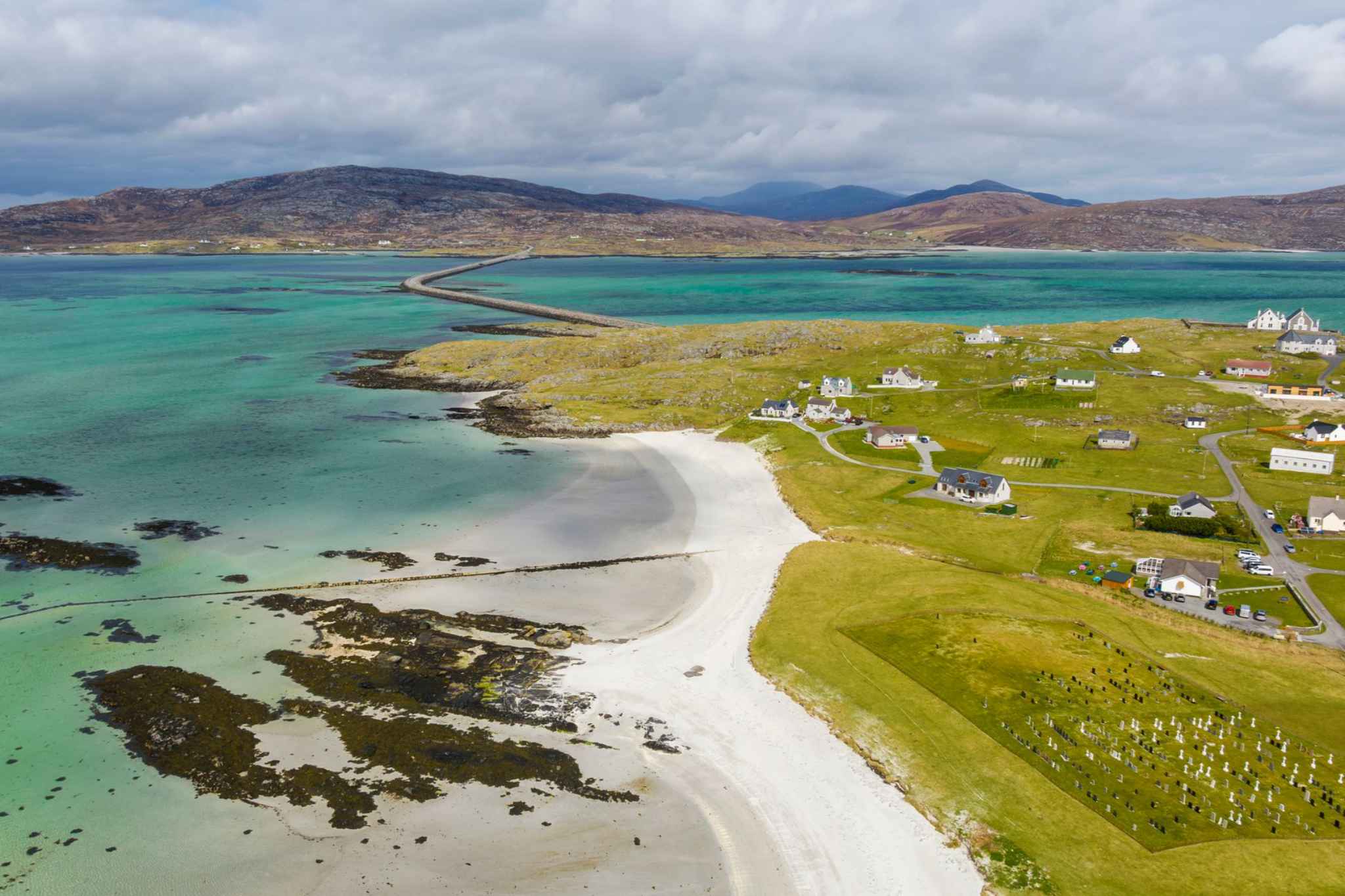
Eriskay
Eriskay is alive with the essence of the Outer Hebrides. In 1941 the S.S Politician sunk off its shore inspiring the story of Whisky Galore.
Grimsay
This peaceful island in the Outer Hebrides is renowned for the quality of the seafood caught off its shores, particularly its lobsters.
Other things you might like
Airports & flights in Scotland
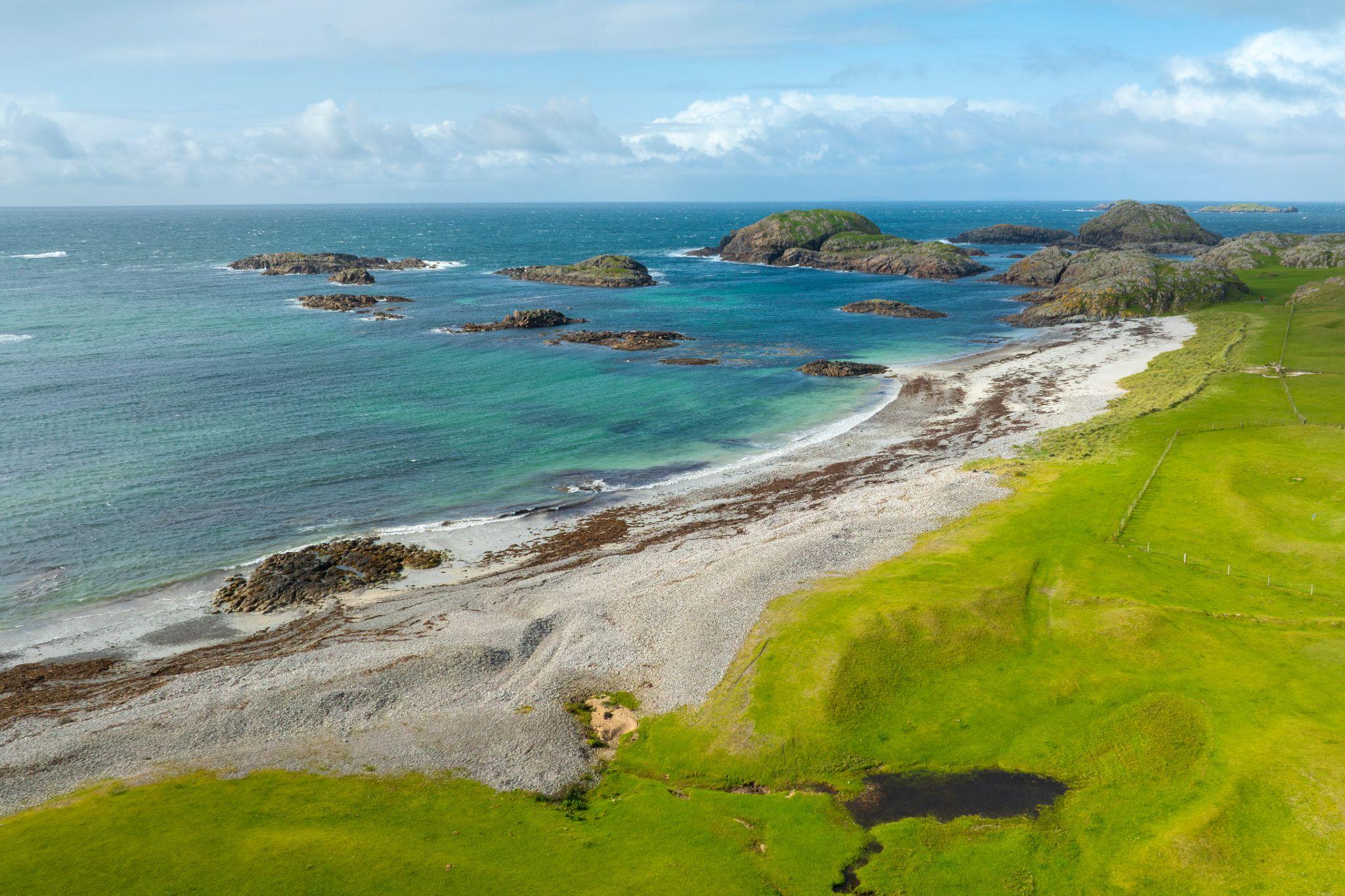
Scottish islands & island hopping
Responsible tourism in the Outer Hebrides
Orkney
Argyll & The Isles
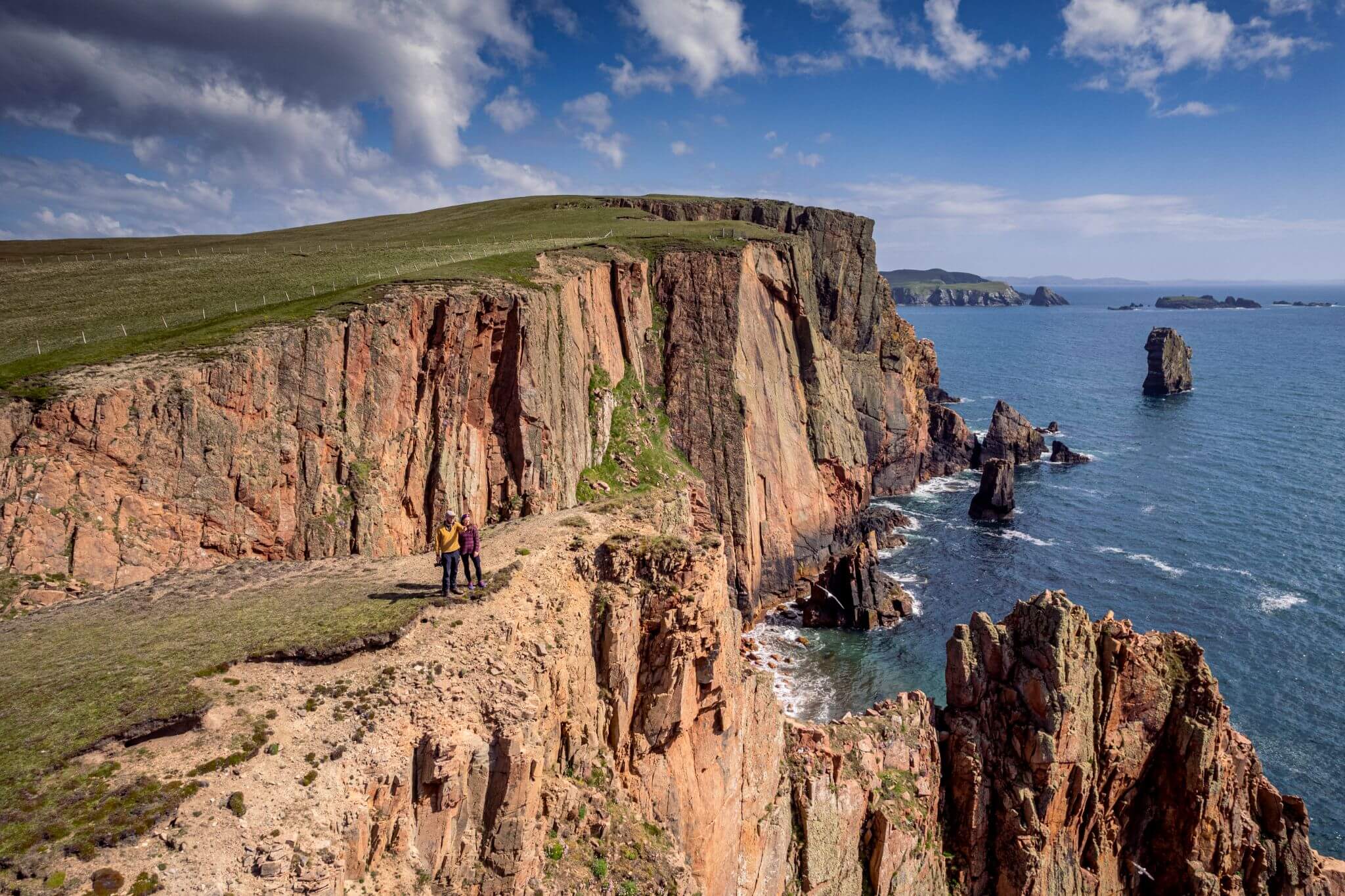
Shetland
Join our Newsletter Clan
Get Scotland inspiration direct to your inbox. Don't miss the inside track from our Scotland experts on exciting trip ideas, unique attractions and hidden gems loved by locals.