Closer to Norway than mainland Scotland, the remote islands of Shetland offer a wealth of stunning scenery, abundant wildlife and rare flora.
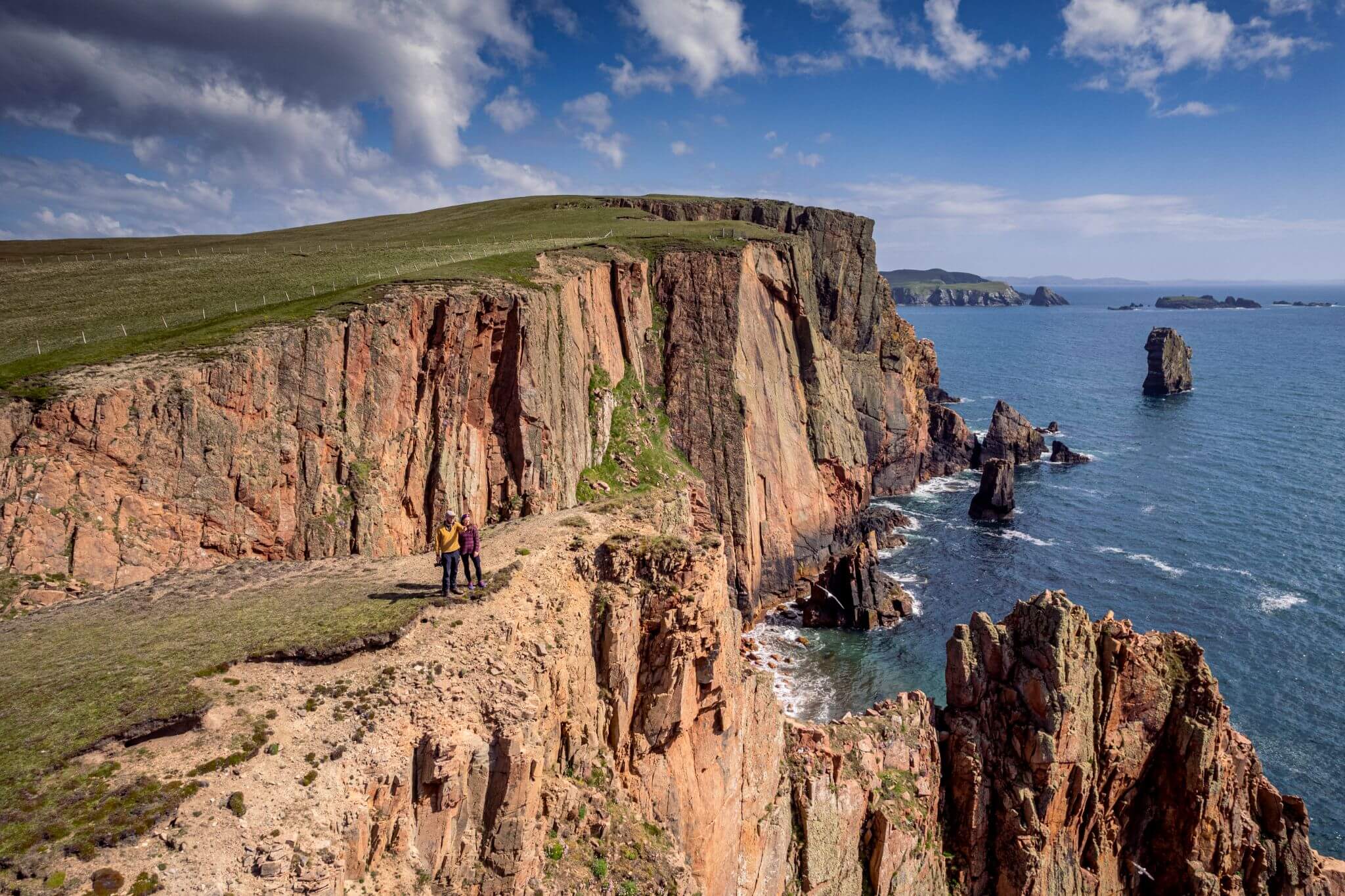
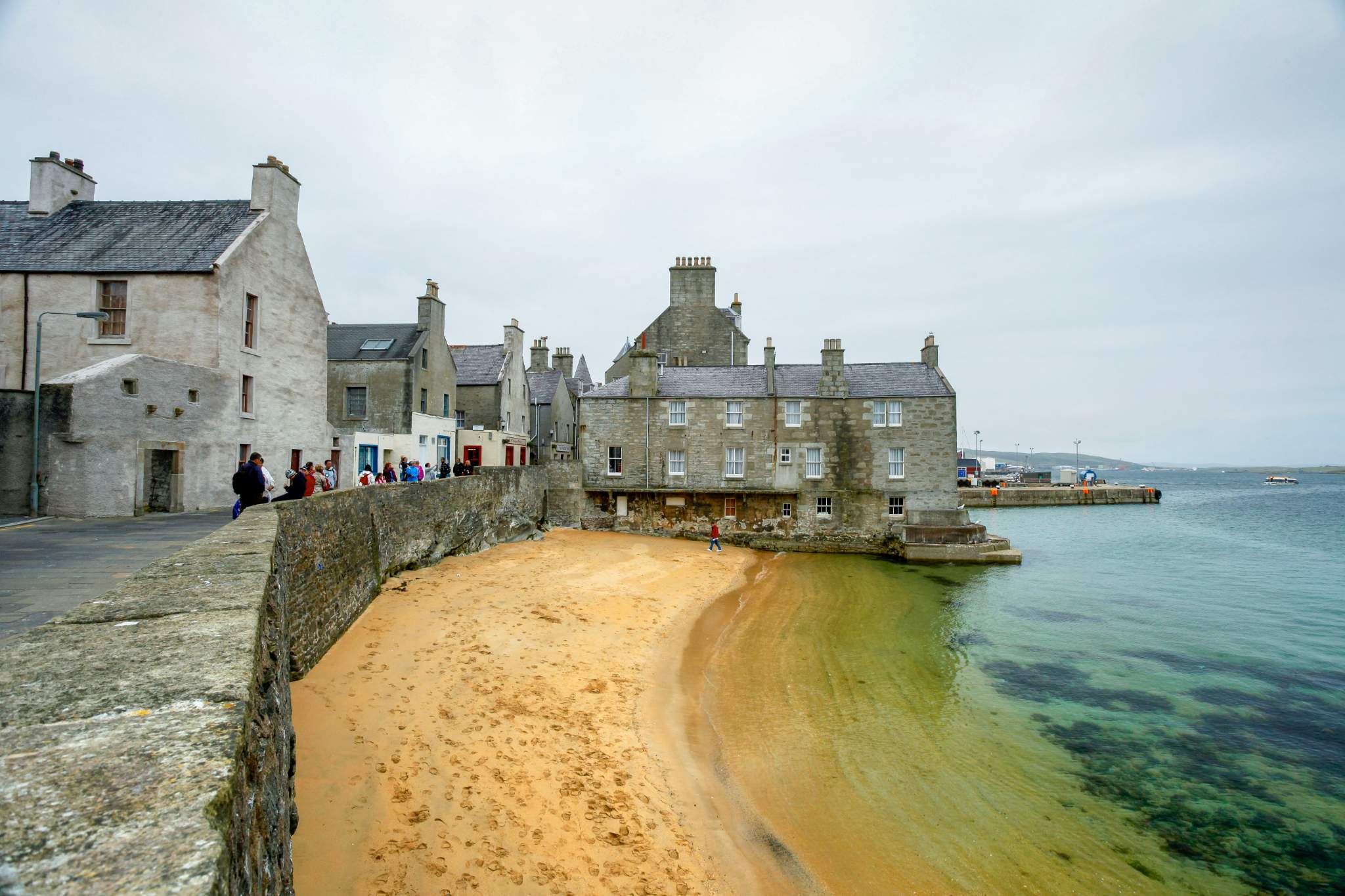
Shetland's islands boast a varied and spectacular landscape of over 100 islands with scenery from heather-clad hills and fertile farmland to a 900 mile long rugged coastline boasting secluded sandy beaches, sea caves, rocky inlets and towering cliffs.
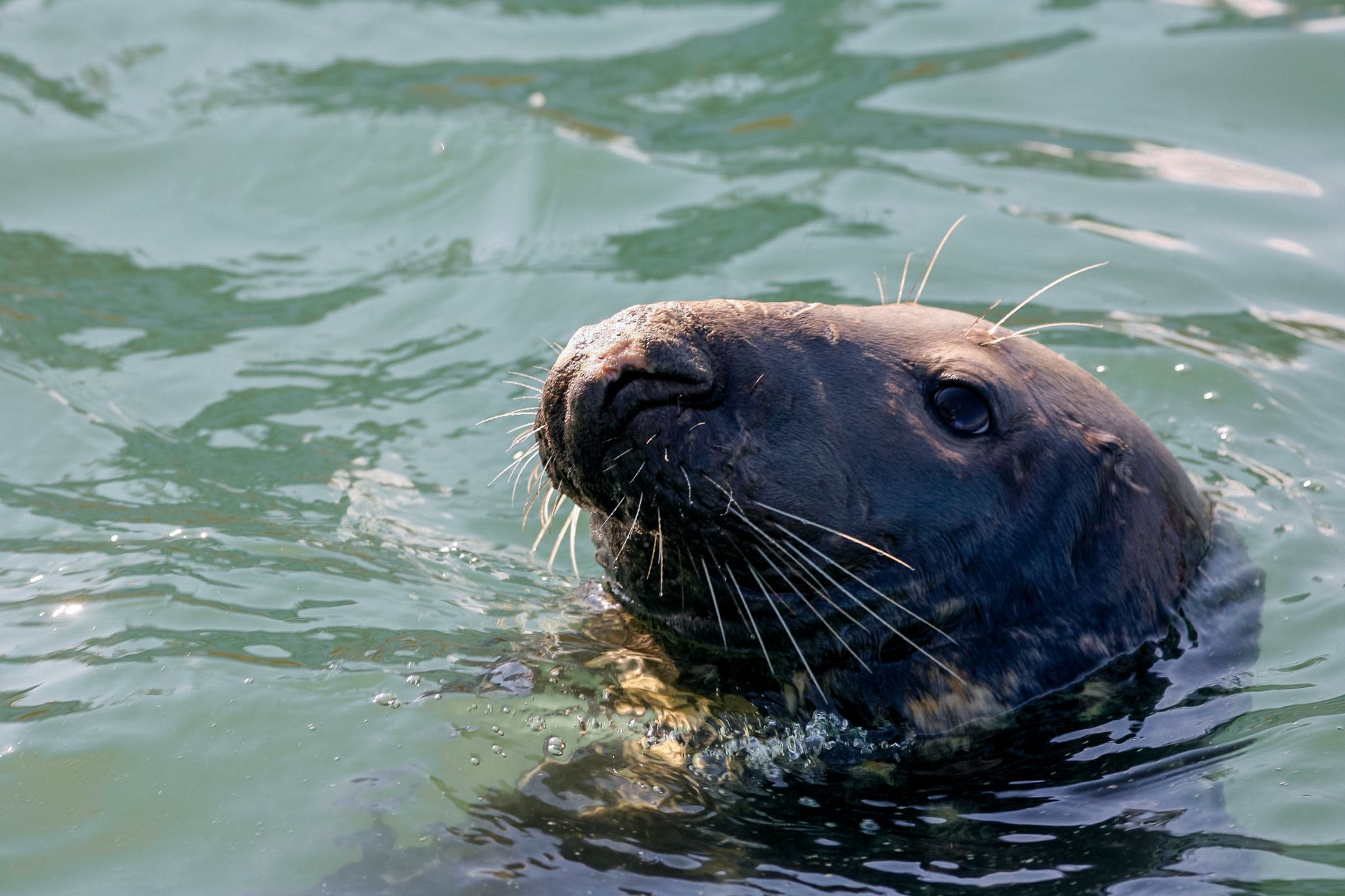
As you are never more than 3 miles from the coast in Shetland, the sea has an overwhelming presence. The coastline nurtures a wide array of marine wildlife including elusive otters and common and grey seals, while pods of porpoises, dolphins, minke whales and orcas hunt in the surrounding waters. The Isle of Whalsay, meaning ‘island of the whale’ in Old Norse, is a great spot for whale watching.
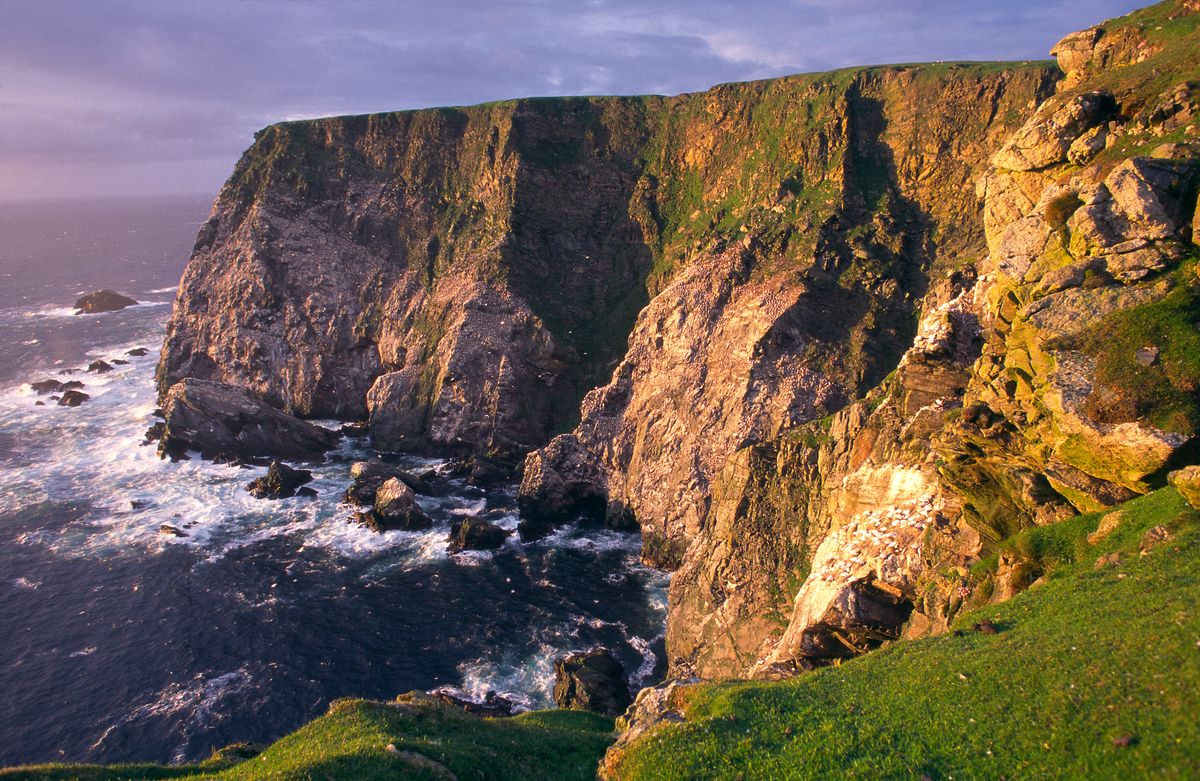
Shetland boasts five seabird colonies with more than one million nesting birds. You can join a tour of one of these colonies and spot seabirds such as puffins, guillemots, kittiwakes, razorbills and gannets. Pay a visit to the Fair Isle Bird Observatory and join a ranger on an early morning walk to spot rare migrant birds.
Due to its northerly location, Shetland is home to some of Britain’s rarest plants from arctic-alpine flowers to summer meadows and the colourful wildflowers which cling to rocky ledges, known as the ‘hanging gardens’ of the cliff-tops. The Isle of Feltar, known as ‘the garden of Shetland’, is home to 300 species of flowering plant and is a great place to begin exploring the unique flora of the islands.
Why not take part in the annual Shetland Nature Festival? The festival allows visitors and locals alike to find out more about all aspects of Shetland’s unique natural heritage.