Sands of Meal
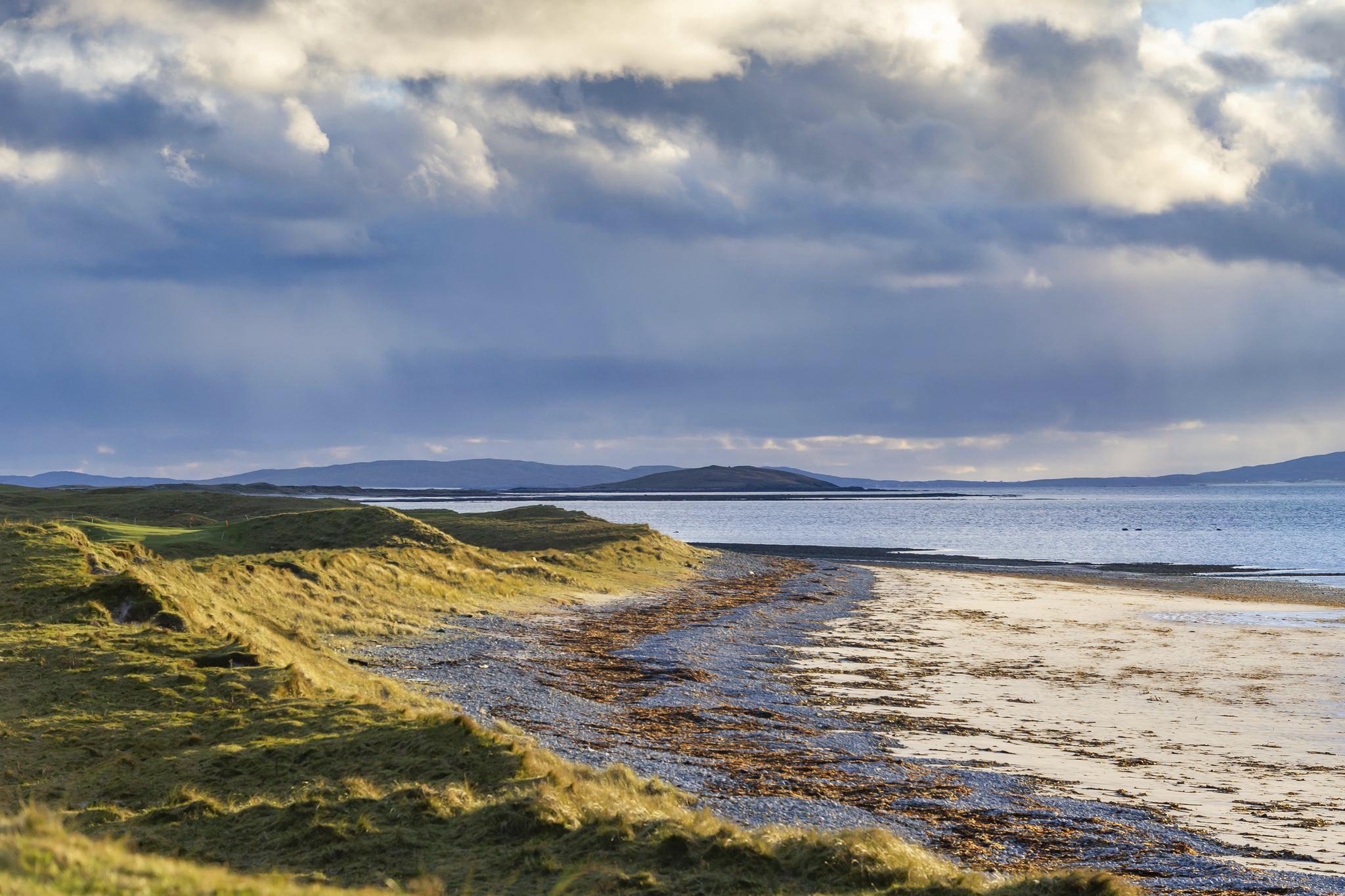
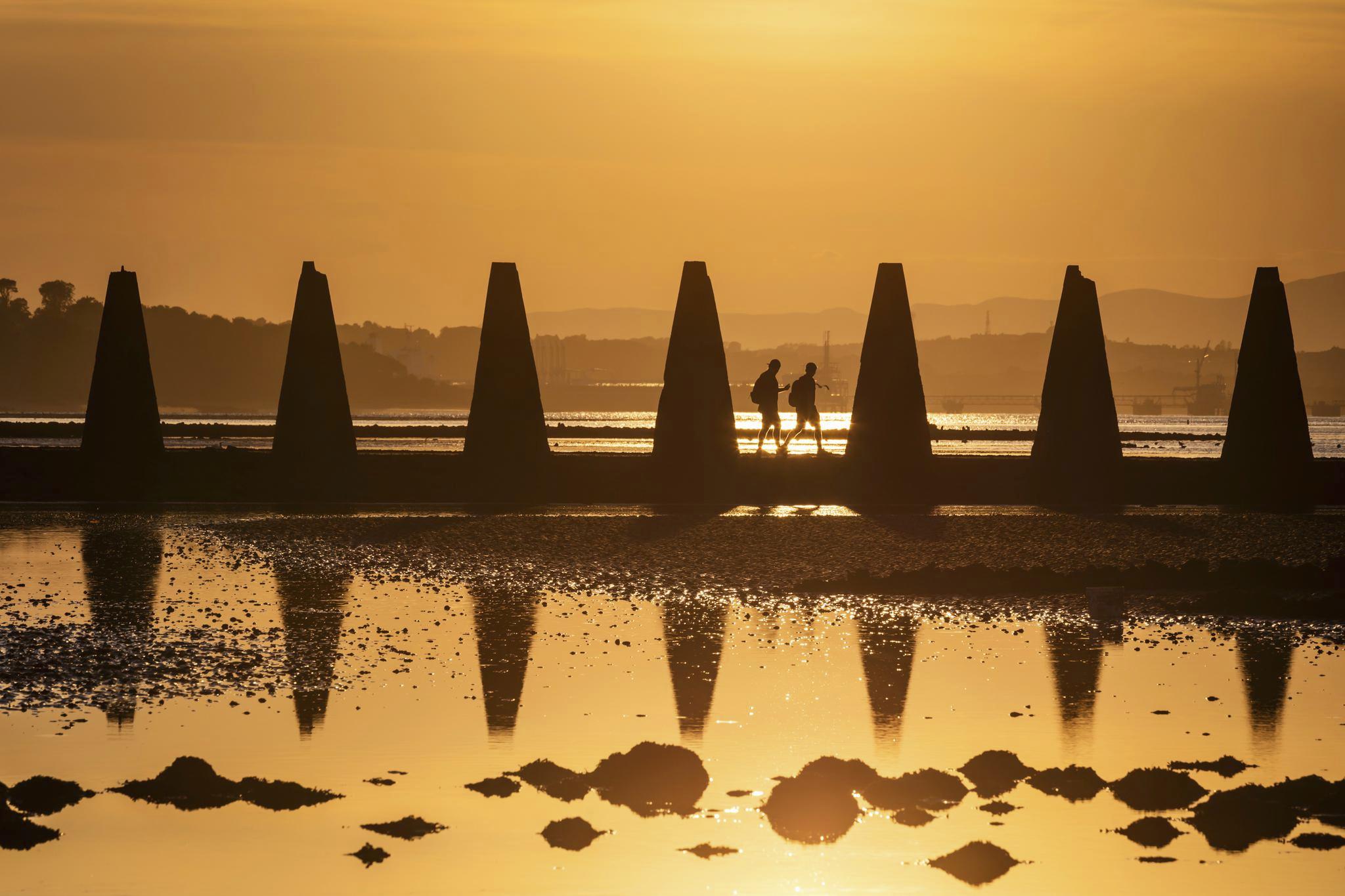
© Promote Shetland / Euan Myles
Mull Music Festival, Tobermory 22 – 25 April 2027
A long weekend where folk rock groups, singers, and dance bands turn Mull’s harbourfront into a big party – with most events free to wander into.
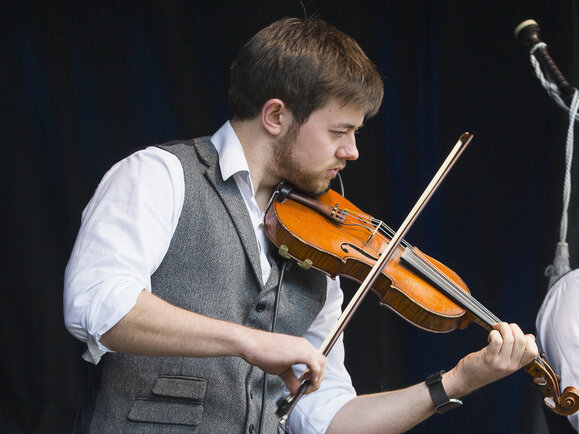
Shetland Folk Festival, 29 April – 2 May 2027
Shetland’s annual homecoming for musicians, with local talent sharing the stage with international visitors. Concerts run late into the northern nights.
Girvan Traditional Folk Festival, May 2027
A gathering built around songs, stories and social dancing, with concerts, ceilidhs and workshops spread across friendly venues.
Bonfest, Kirriemuir May 2027
A weekend honouring AC/DC frontman Bon Scott, where the whole town buzzes with energy.
Orkney Folk Festival 27 – 30 May 2027
Stromness fills with musicians from across the islands and beyond, and families drift between amazing gigs in a welcoming atmosphere.
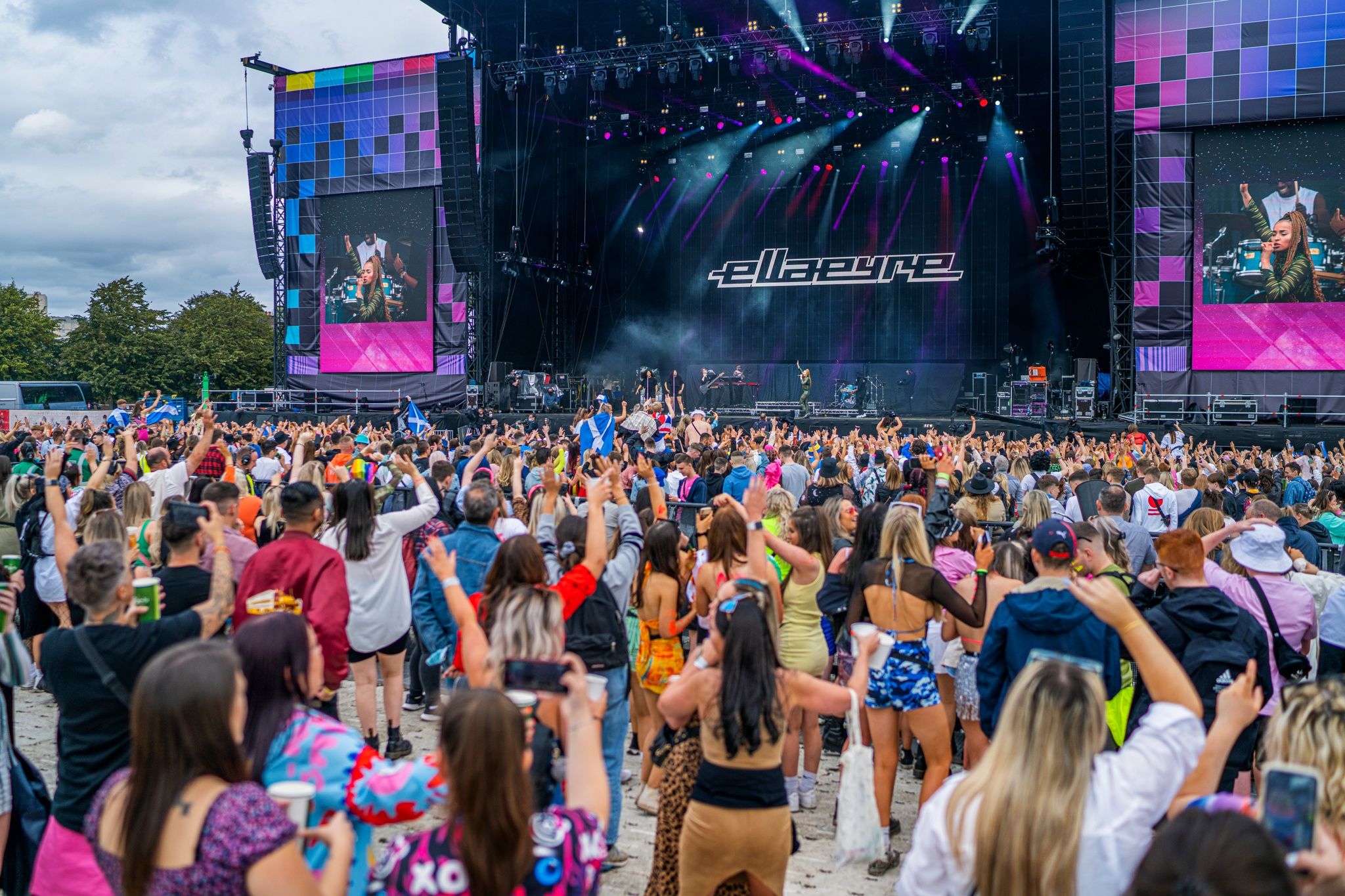
TRNSMT Festival in Glasgow Green
TRNSMT, Glasgow Green 19–21 June 2026
Scotland’s biggest modern music weekender, drawing major names and rising local acts to a city centre park that has long been a focal point of Scottish music.
Heartland Festival, Pitlochry 27–28 June 2026
A vibrant summer weekend of Scottish and international music, family-friendly fun, great food and drink, and laid-back Highland festival vibes.
Doof in the Park, 4 July 2026
Doof doof doof! Can you feel the bass? Doof in the Park is a high‑energy, one‑day electronic music festival held in Dundee’s Camperdown Park, featuring international DJs and rising local talent.
Kelburn Garden Party 2–6 July, 2026
An imaginative mix of live music, art, and woodland revelry unfold in the colourful grounds of Kelburn’s graffiti painted castle.
Back Doune the Rabbit Hole, Stirling 17–19 July 2026
Enjoy a wild weekend at Cardross Estate featuring live bands, DJs, comedy, immersive arts, and family-friendly adventure in a woodland festival setting.
Discovery Festival, Dundee 24–26 July 2026
Discovery Festival Dundee is an open‑air music festival held at Slessor Gardens on the city’s waterfront. Another great excuse to visit Dundee, this festival will be full of well-known indie and pop artists.
Belladrum Tartan Heart Festival 30 July–1 August 2026
A Highlands summertime favourite where families, campers, and music lovers gather for a musical weekend in the fields near Inverness. Don't miss 2026 headliners James, The Human League and Calum Beattie.
Performers on stage at Celtic Connections 2025
Party at the Palace, Linlithgow 8–9 August 2026
Set against the stunning backdrop of Linlithgow Palace, enjoy an unforgettable weekend of live music, good vibes, family-friendly atmosphere, and castle views.
Replay, Perth 15–16 August 2026
A feel-good weekend of iconic 80s, 90s, and 00s anthems takes over Perth’s South Inch with nostalgic tunes, big singalongs, and party energy.
Summer's End, Brechin 15–16 August 2026
Don't miss this exhilarating weekend of live music, featuring global icons like The Jacksons, Rudimental and Sugababes.
Winterstorm, Troon 26–28 November 2026
Warm up at WinterStorm! A four-day rock festival in Troon, bringing together legendary and emerging bands across different rock genres.
Edge Fest, Jedburgh 4–6 September 2026
Edge Festival returns with a lively mix of music, arts, and community spirit, showcasing fresh talent and unforgettable summer performances.
Celtic Connections, Glasgow 15 Jan–1 Feb 2027
Glasgow’s midwinter celebration of folk traditions and global collaborations, where musicians turn the darker months into something bright and full of discovery.