The Belladrum Tartan Heart Festival
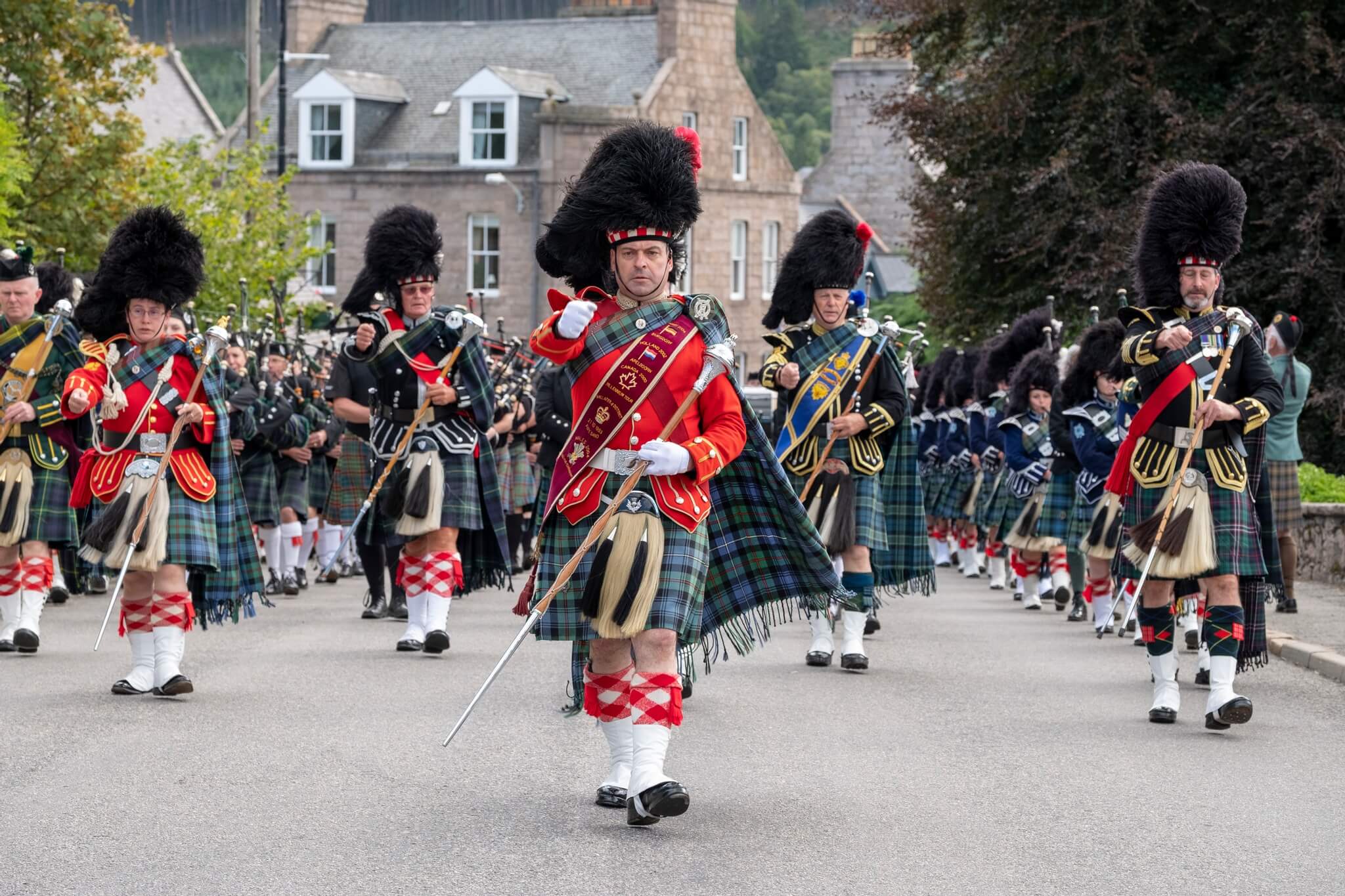
Inverness Highland Games, 11 July 2026 – Experience one of the Highlands’ biggest traditional gatherings, with Highland dancing, piping, heavy events and family entertainment at Bught Park in Inverness.
HebCelt Festival, 16 – 18 July 2026 – One of Scotland’s best-loved music festivals brings internationally acclaimed artists, traditional music and Gaelic culture to Stornoway in the Outer Hebrides.
Caithness Show, 17 – 18 July 2026 – One of the north Highlands’ biggest agricultural events returns with livestock competitions, show jumping, vintage tractors, crafts, food stalls and family entertainment across a packed summer weekend.
Dornoch Music & Beer Festival, 17 – 18 July 2026 – This growing Highland music festival brings live bands, family entertainment, food stalls and a lively summer atmosphere to the seaside town of Dornoch.
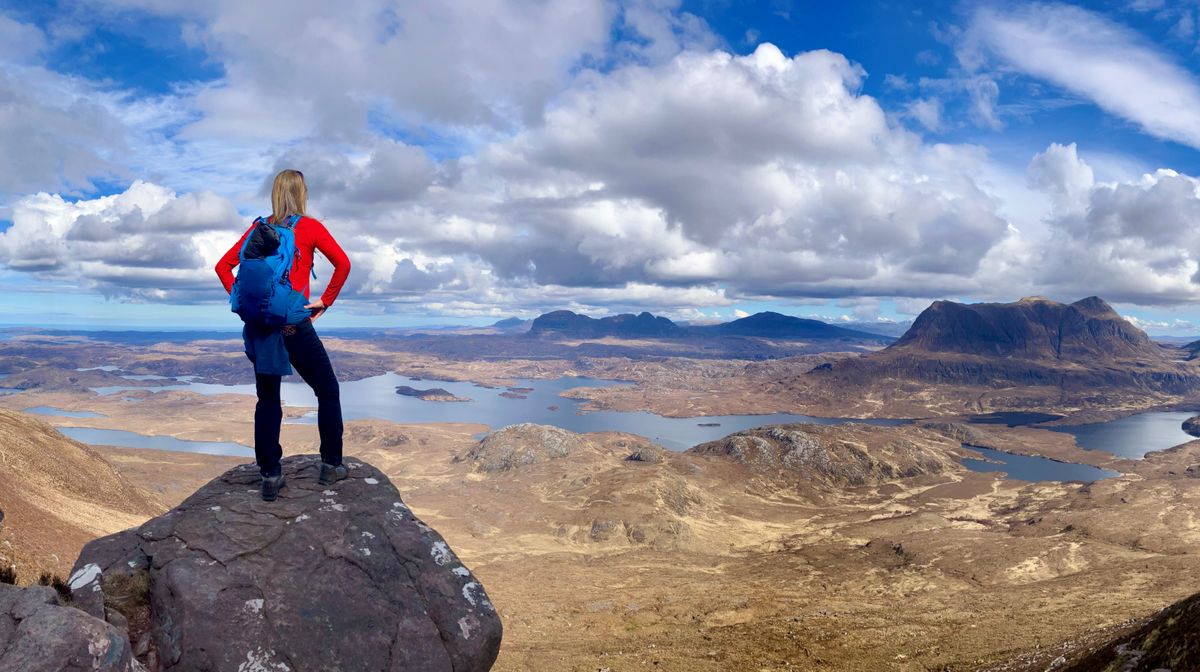
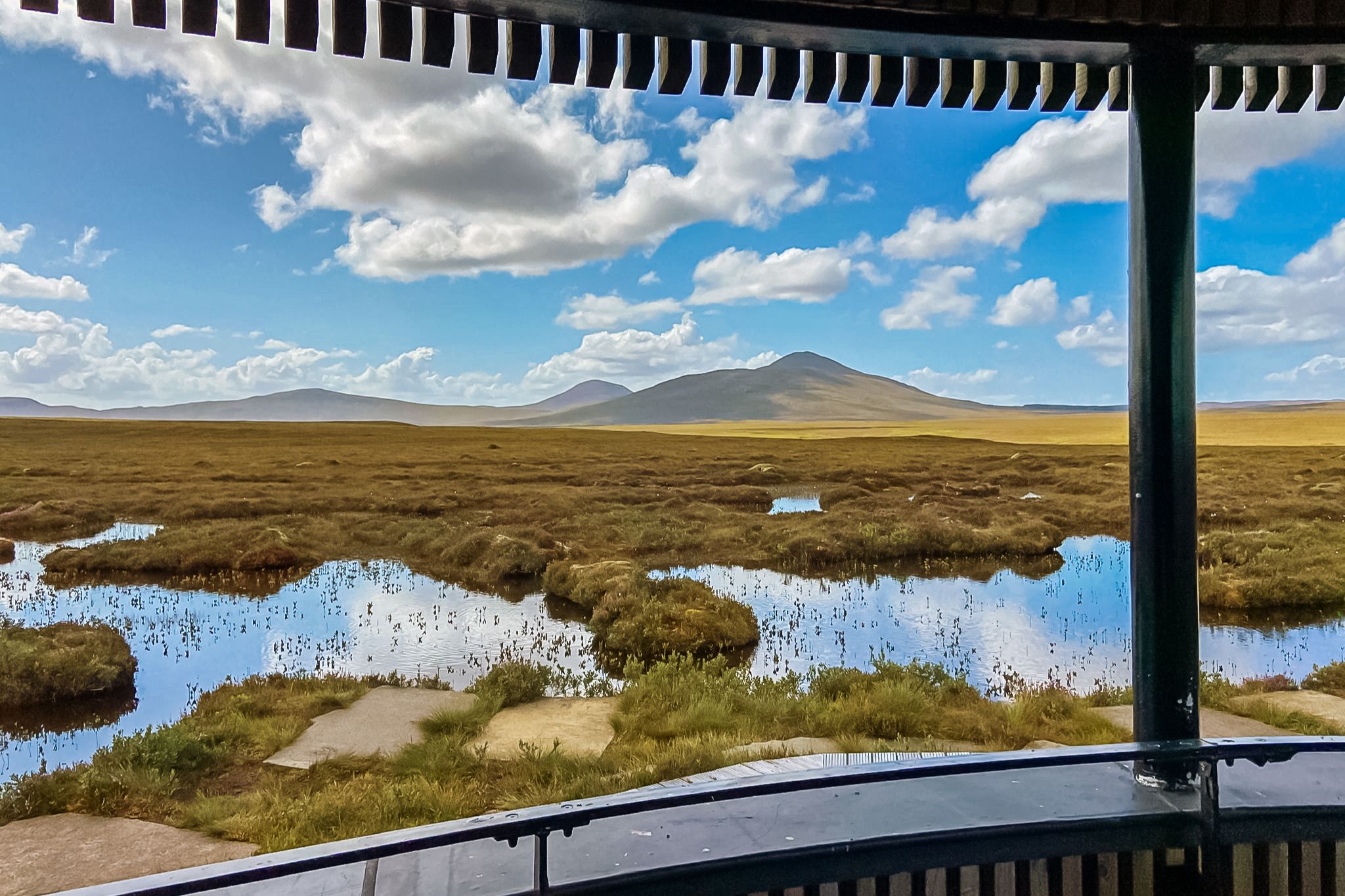
Durness Highland Gathering, 24 July 2026 – Held in the dramatic scenery of the north-west Highlands, this traditional gathering combines Highland dancing, piping, heavy events and a lively community atmosphere at Shore Park in Durness.
Dornoch Festival Week, 10 – 16 August 2026 – Enjoy a week of family-friendly entertainment, community events, live performances and summer celebrations taking place throughout the historic Highland town of Dornoch.
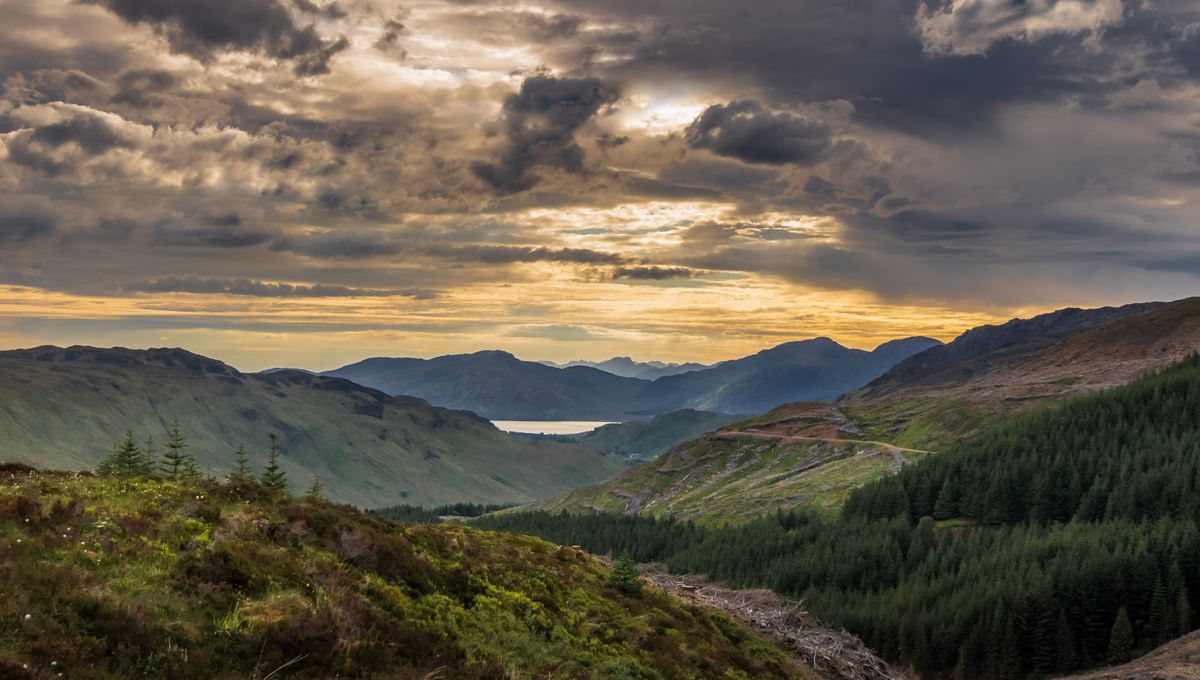
Glenurquhart Highland Gathering, 22 August 2026 – Held near Loch Ness, this traditional Highland gathering features piping, dancing, athletics and heavy events surrounded by spectacular Highland scenery.
Black Isle Calling, 11–12 September 2026 – Set on the Black Isle near Inverness, this independent music festival combines live performances, local food, craft beer and camping in a relaxed rural setting.