
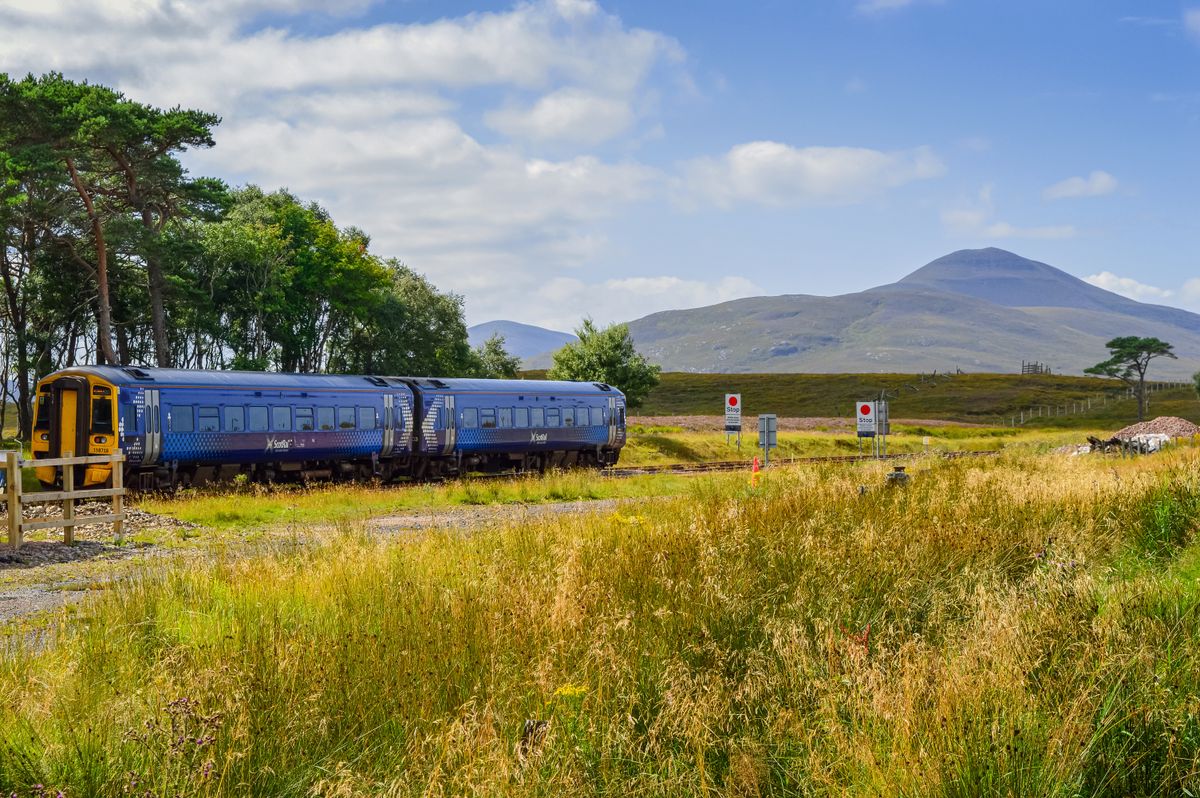
Caledonian Sleeper approaches Rannoch
Stephen Sweeney/Caledonian Sleeper Ltd.
Plan your trip to Scotland
Start planning your Scottish adventure with travel tips, practical guidance and inspiration for every season.
Plan your holiday
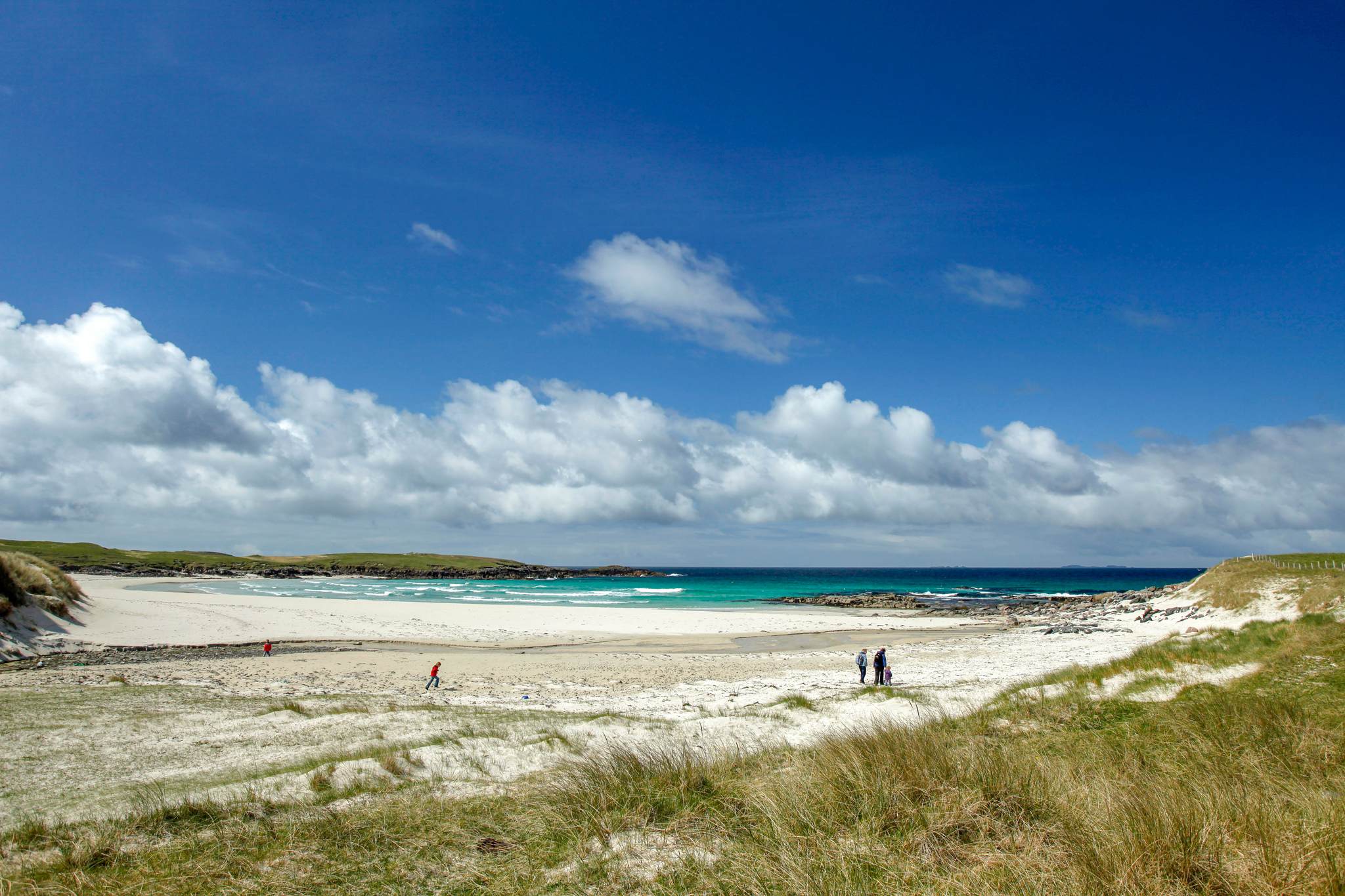
Picture yourself exploring Scotland's cities, coastlines and countryside. Find simple travel information, seasonal inspiration and practical advice to help you plan with confidence. Whether you're dreaming of summer days by the coast, autumn colours amongst the forest or festive Christmas markets, everything you need for a seamless Scottish adventure is right here.
Before you go
Brush up on your knowledge of Scotland, get to know what our weather is really like, find passes & offers to help you explore more whilst you're here, and learn about being a responsible traveller.
Frequently asked questions about Scotland
Get ready for your trip to Scotland with practical answers on everything from weather to Wi-Fi.
Weather in Scotland
What to expect from Scotland’s weather, along with inspiration for things to do whatever the forecast brings.
Passes & offers for holidays, attractions & travel in Scotland
Save on your trip to Scotland with year-round deals, travel passes, accommodation offers, and dining discounts.
Sustainable & responsible tourism in Scotland
Find out about sustainable and responsible tourism in Scotland. Including differences between sustainable and responsible tourism, and more.
Getting here from England, Wales & Ireland
Watch the landscapes change as you journey north to Scotland. Find everything you need to plan your trip from England, Wales or Ireland.
Travel from England & Wales to Scotland
All the details on travelling by train, coach, plane or car to Scotland.
Travel from London to Scotland
Explore options for travelling from London, with trains, coach, flights and road routes.
Travel to Scotland from Ireland
Ferry crossings, direct flights and onward travel options to plan your trip to Scotland from Northern Ireland and the Republic of Ireland.
Getting around Scotland
Look beyond the destination and embrace the journey. Explore transport options and discover how easy it is to experience Scotland's cities, towns, islands and countryside.
Bus & coach travel in Scotland
You can take the coach or bus between all of Scotland's major towns and cities.

Getting around Scotland by train
Get around Scotland by train with discount fares and passes, Glasgow's subway, scenic train trips, and more.
Driving in Scotland - Practical information
Check out our guide to driving in and around Scotland by car. Including useful FAQs and top tips for a smooth journey.
Airports & flights in Scotland
Flying between Scotland's main and regional airports is often the quickest way to get around, particularly to the islands.

Getting around Scotland by ferry
Scotland's ferry services connect up our beautiful islands with the mainland.
Travel to Scotland from around the world
Where in the world are you travelling from? Explore practical guidance and travel information to help make your journey to Scotland as smooth as possible.
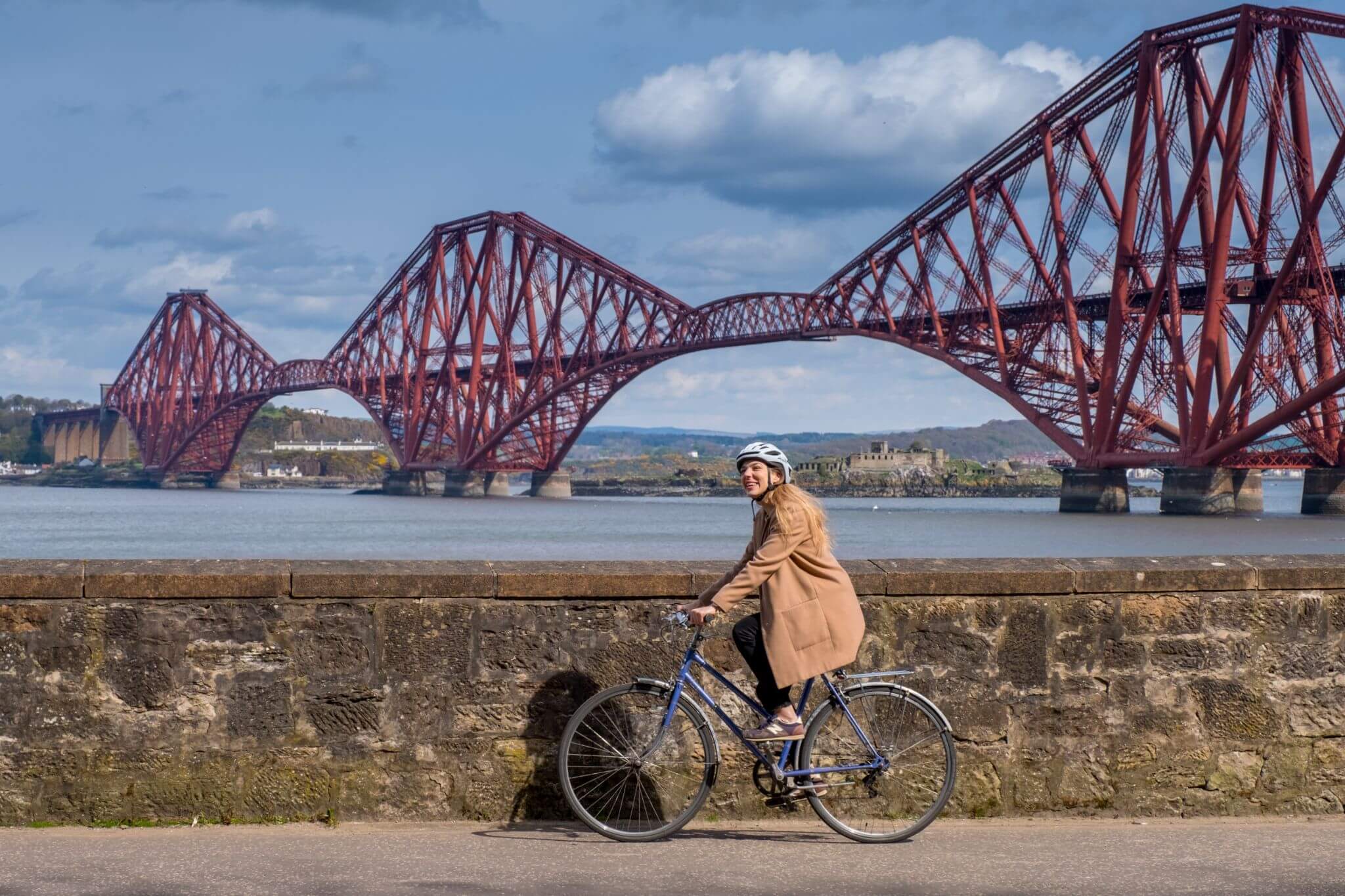
Travel to Scotland from Europe
Check out all the direct routes by air, land and sea, and find out all you need to know about entry requirements.

Travel to Scotland from US & Canada
Fly across the Atlantic for legendary landscapes, lively cities and welcoming people.

Travel to Scotland from other continents
Direct flights and onward travel options to plan your trip to Scotland from around the world.
Practical information
From finding the latest UK travel regulations to locating an embassy or how to apply for a Visa, our practical guides tell you everything you need to know.
Visitor Levy in Scotland
Find out where visitor levies apply in Scotland, how much you might pay, exemptions and how charges are collected.
Passports, visas & customs
Travelling to Scotland from overseas? Find all the information you need before your trip, from passport and visa requirements to customs and currency.
A Guide to midges & ticks in Scotland
Helpful tips and frequently asked questions about midges and ticks in Scotland
Embassies & consulates
If you need help with visas, lost passports or aid in an emergency situation, you can get in touch with your country's consulate in Scotland.
Healthcare for overseas visitors
Find out more which overseas visitors can access NHS services and where they can go about accessing healthcare in Scotland.
Learn about Scotland
Get to know all the unique and fascinating things about Scotland before you visit. Find out about Gaelic language and music, and the history of our country.
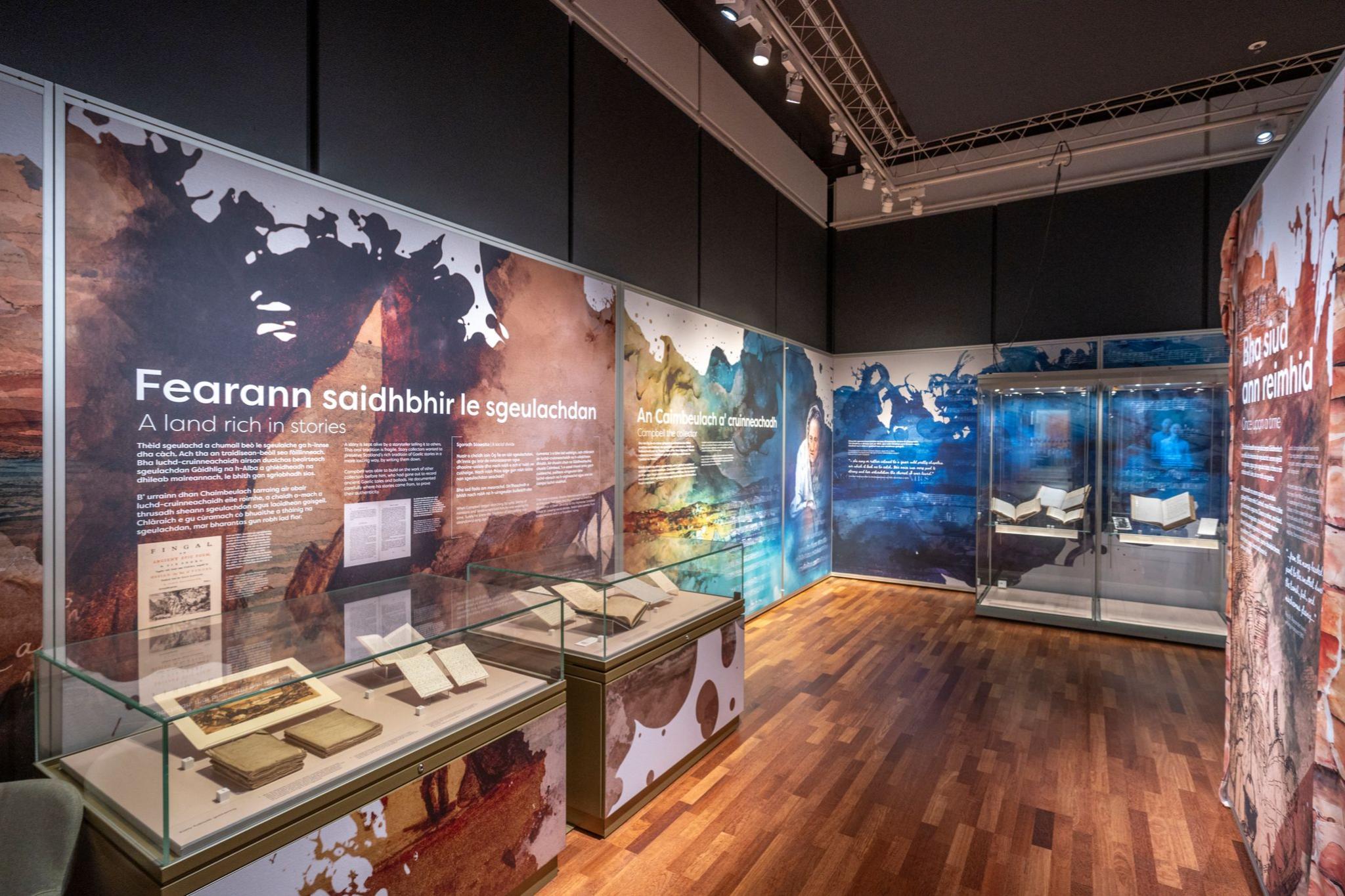
The history of Scottish Gaelic
Discover the history of Scottish Gaelic, one of Scotland’s official languages.
Scottish Clans and Ancestry in Scotland
Ancestral voices are calling you. Whatever you already know about your Scottish heritage, there’s more waiting to be discovered.
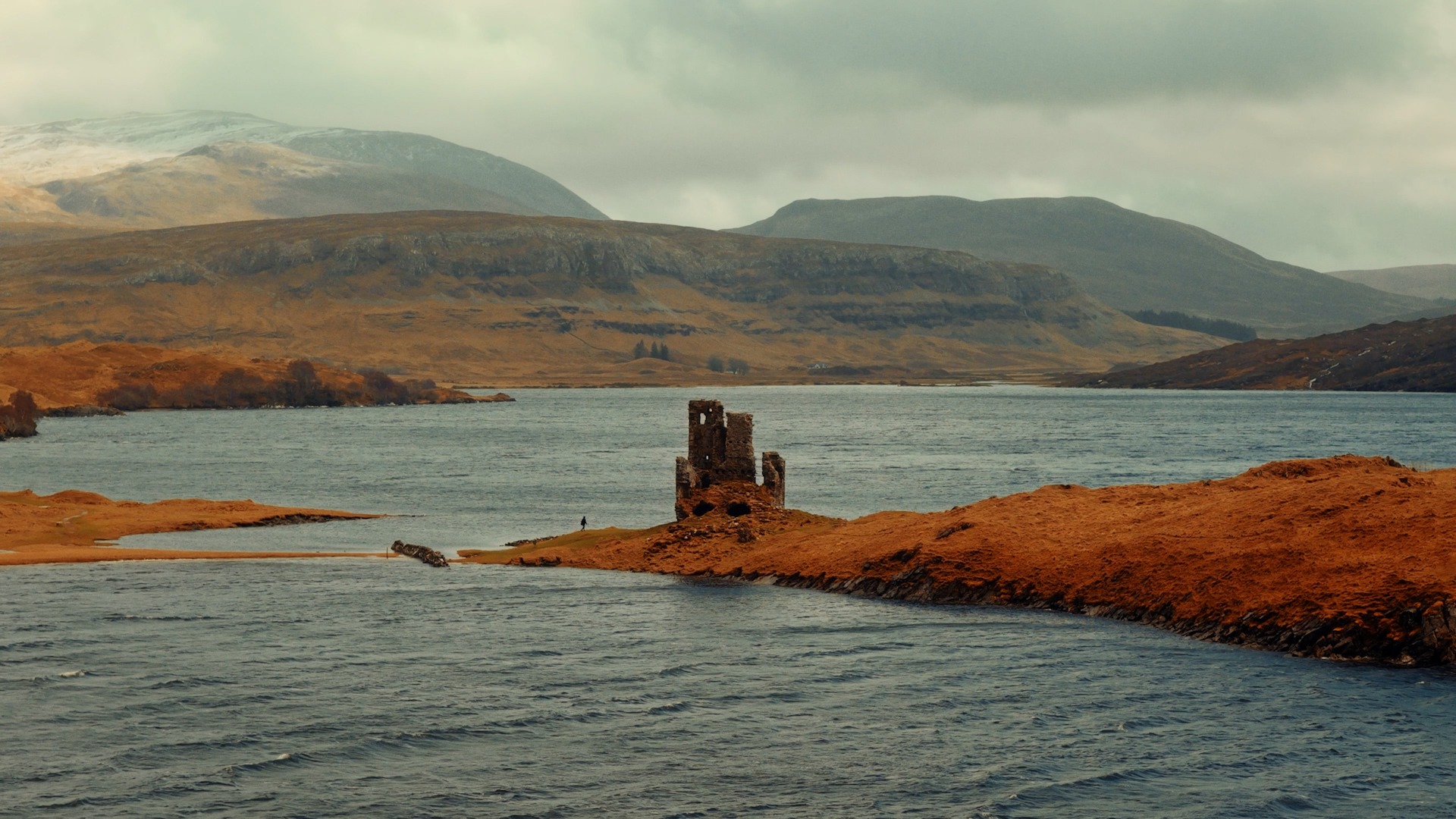
Scottish Culture and History
Uncover the heart of Scotland, where history echoes through clans and castles, archaic standing stones and lyrical Gaelic language.

Events and festivals in Scotland
Scotland’s events vibrate with energy – live sports, electrifying music and dance, and toasts that honour our legendary national icons.