Caledonian Sleeper approaches Rannoch
© Stephen Sweeney/Caledonian Sleeper Ltd.
Top tips for travelling to Scotland
Let’s make your dream trip a reality. Find simple, practical information on travelling to Scotland and getting around once you’re here. You can also explore our weather and seasonal guides to help you decide what you’d like to experience, from lively summer events to spectacular autumn colours or festive Christmas markets. Got practical questions? Our FAQs, passport and safety pages cover everything you need, so nothing stands between you and your Scottish adventure.
Plan your holiday to Scotland
Frequently asked questions about Scotland
Find answers to common questions about travelling in Scotland, including the best time to visit, weather, language, transport and more.
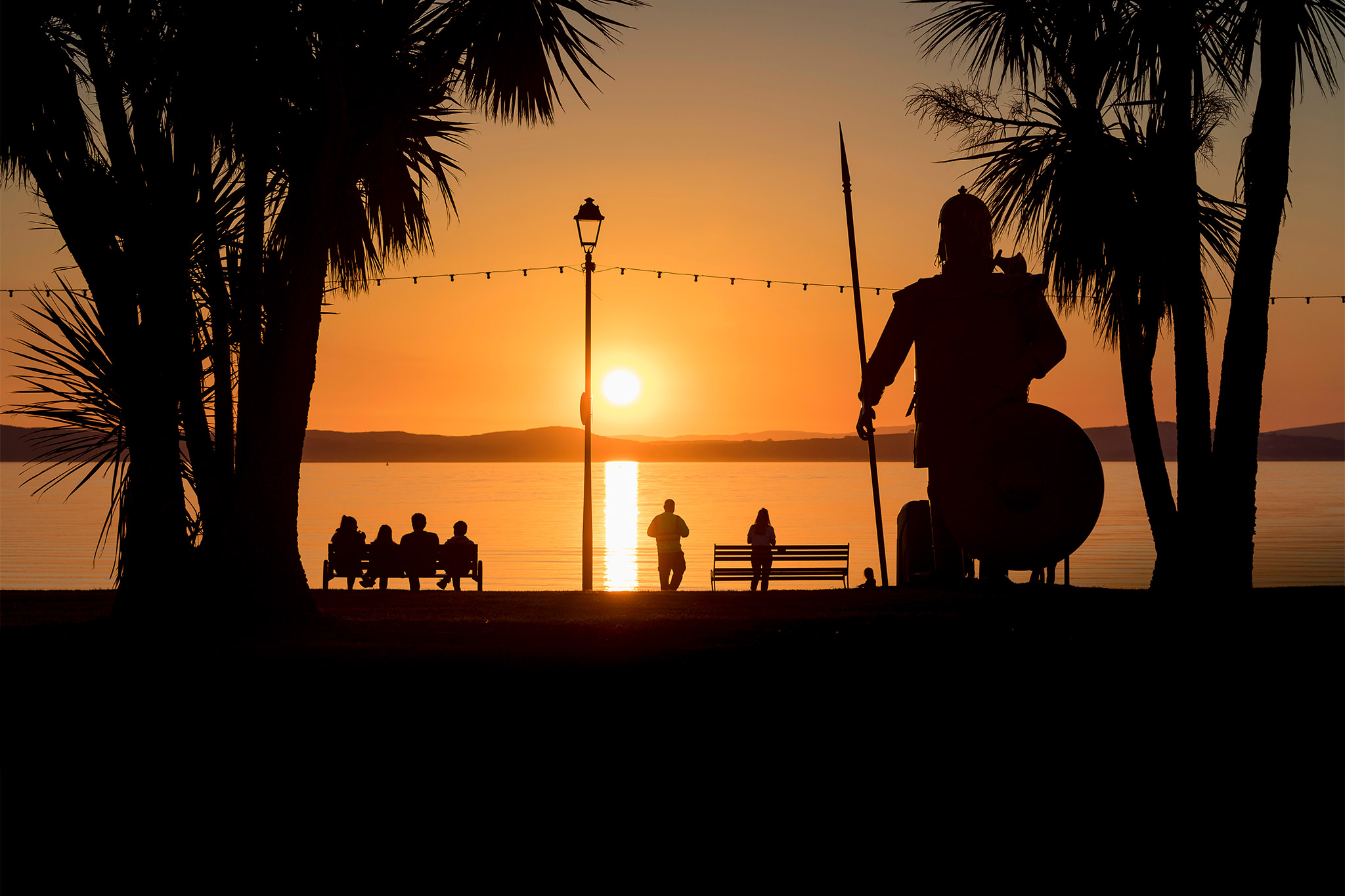
Weather in Scotland
Find out about Scotland’s weather through the seasons, with tips for planning around weather in spring, summer, autumn, winter, and more.

Passes & offers for holidays, attractions & travel in Scotland
Find great value while in Scotland and take advantage of various offers, passes, discounts and deals.
Sustainable & responsible tourism in Scotland
Find out about sustainable and responsible tourism in Scotland. Including differences between sustainable and responsible tourism, and more.
Getting here from England, Wales & Ireland
Travel from England & Wales to Scotland
Find all you need to know about travelling to Scotland from England & Wales.
Travel from London to Scotland
Explore options for travelling from London, including information on trains and flights to Edinburgh, Glasgow and other Scottish main destinations.
Travel to Scotland from Ireland
Find detailed information on ferries from Belfast and Larne, and flights from Dublin, Donegal, Cork, Knock and Shannon to Scotland from Ireland.
Getting around Scotland
Find the easiest ways to travel around Scotland for when you get here.
A family wait for their ScotRail train in Edinburgh Waverely
© ScotRail
Travelling within Scotland
Find out how simple it is to get around Scotland – this relatively small country is packed full of diverse cities and landscapes! You could soon be sitting back, admiring the view out of the bus or train window.
Travel to Scotland from around the world
Travel to Scotland from Europe
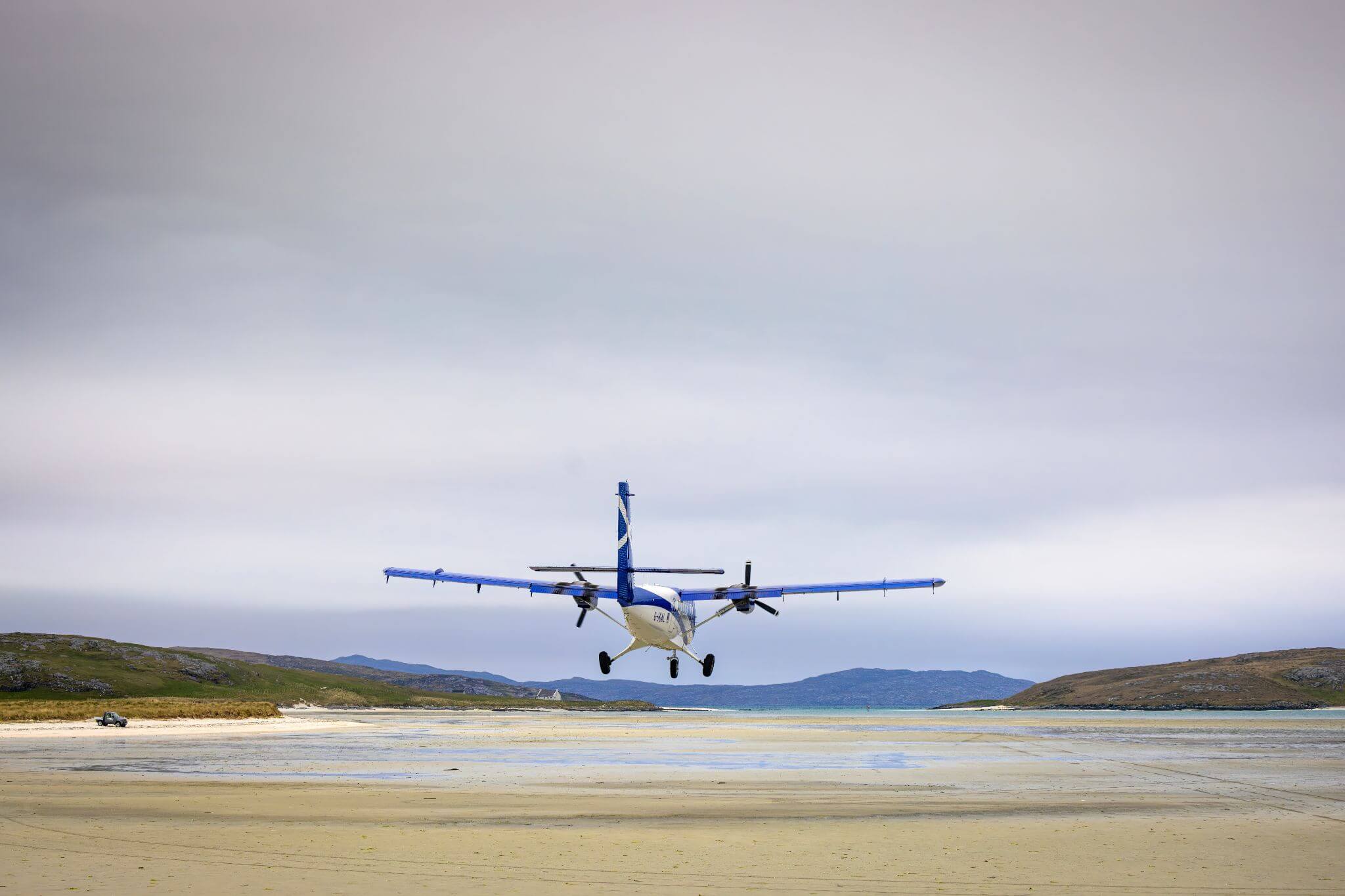
Pack your bags and head to bonnie Scotland from Europe. Find flight information and top travel tips to plan the ultimate holiday.

Travel to Scotland from US & Canada
Planning a trip to Scotland from North America? Find out more on direct flights, handy travel advice and top trip inspiration.

Travel to Scotland from other continents
Planning a trip to Scotland soon? Find direct flights to Scotland from many overseas destinations.
Practical information
From finding the latest UK travel regulations to locating an embassy or how to apply for a Visa, our practical guides tell you everything you need to know.
Passports, visas & customs
Coming from overseas? Check the passport and visa requirements for visiting Scotland.
A Guide to midges & ticks in Scotland
Tips and frequently asked questions.
Healthcare for overseas visitors
Find out more which overseas visitors can access NHS services and where they can go about accessing healthcare in Scotland.
Embassies & consulates
If you need help with visas, lost passports or aid in an emergency situation, you can get in touch with your country's consulate in Scotland.
Learn about Scotland
The history of Scottish Gaelic
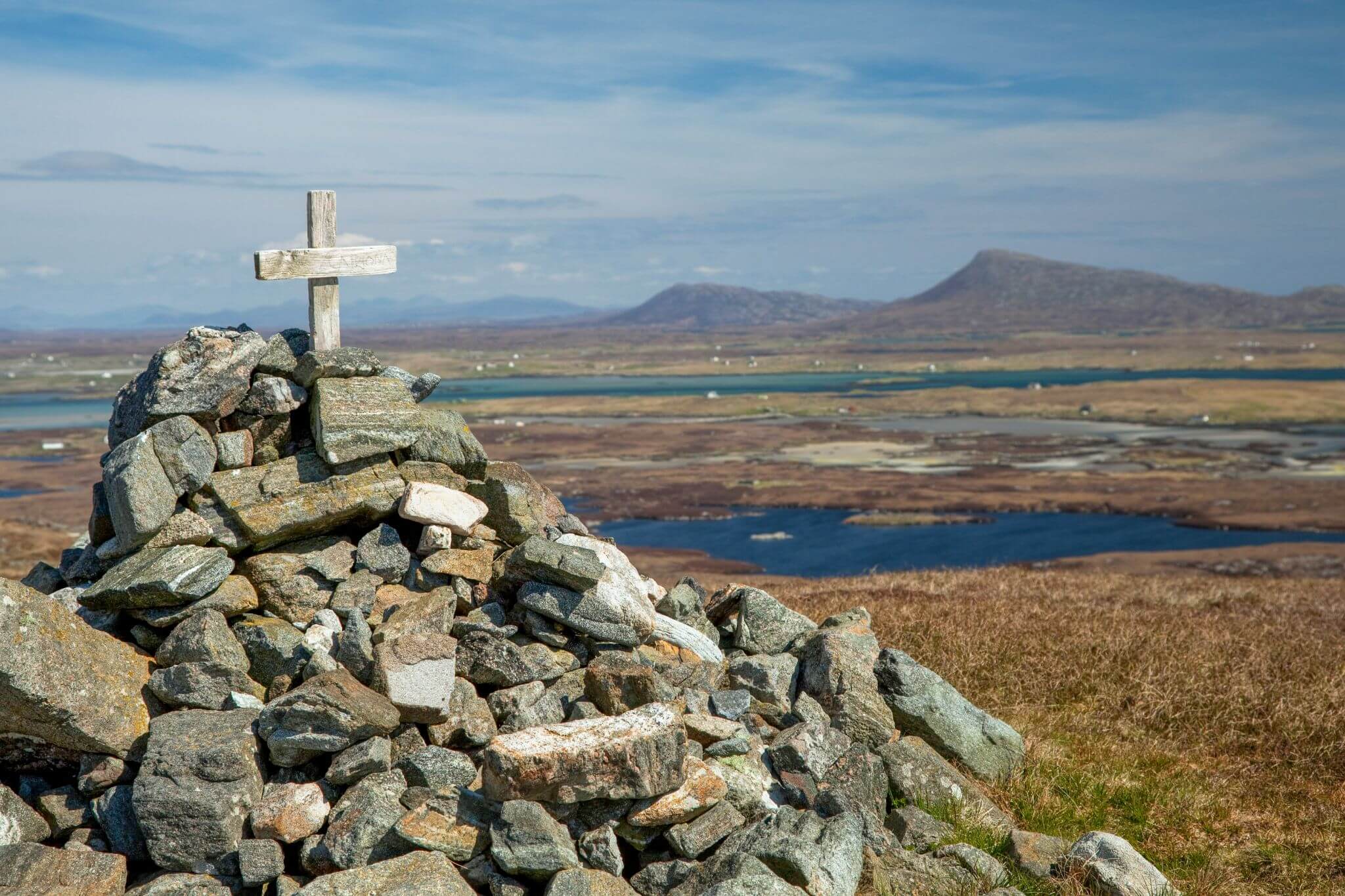
Find out more about the history of Scottish Gaelic, one of Scotland’s official languages. Including learning Gaelic phrases, place names and events.
Scottish clans and ancestry in Scotland
Discover Scottish clans and connect with your ancestors. Follow in their footsteps and uncover fascinating history and captivating stories.
Scottish culture and history
Find out more about our Scottish culture and history, landmarks and places to visit in Scotland.

Events and festivals in Scotland
There's something happening in Scotland right now that the whole family will love.