Inspiration for your trip
Step into a land steeped in history and legend, explore our dramatic landscapes and uncover our ancient Celtic roots. Vast lochs, glens and Munros - easily accessible from our vibrant cities and towns - make Scotland the perfect place to lose yourself.

Things to see & do in Scotland
Discover a wealth of things to see & do in Scotland.

Scotland's landscapes, scenery & nature
Explore our ancient pine forests, arctic landscapes, coastal meadows and more.
Events & festivals in Scotland
There's something happening in Scotland right now that the whole family will love.
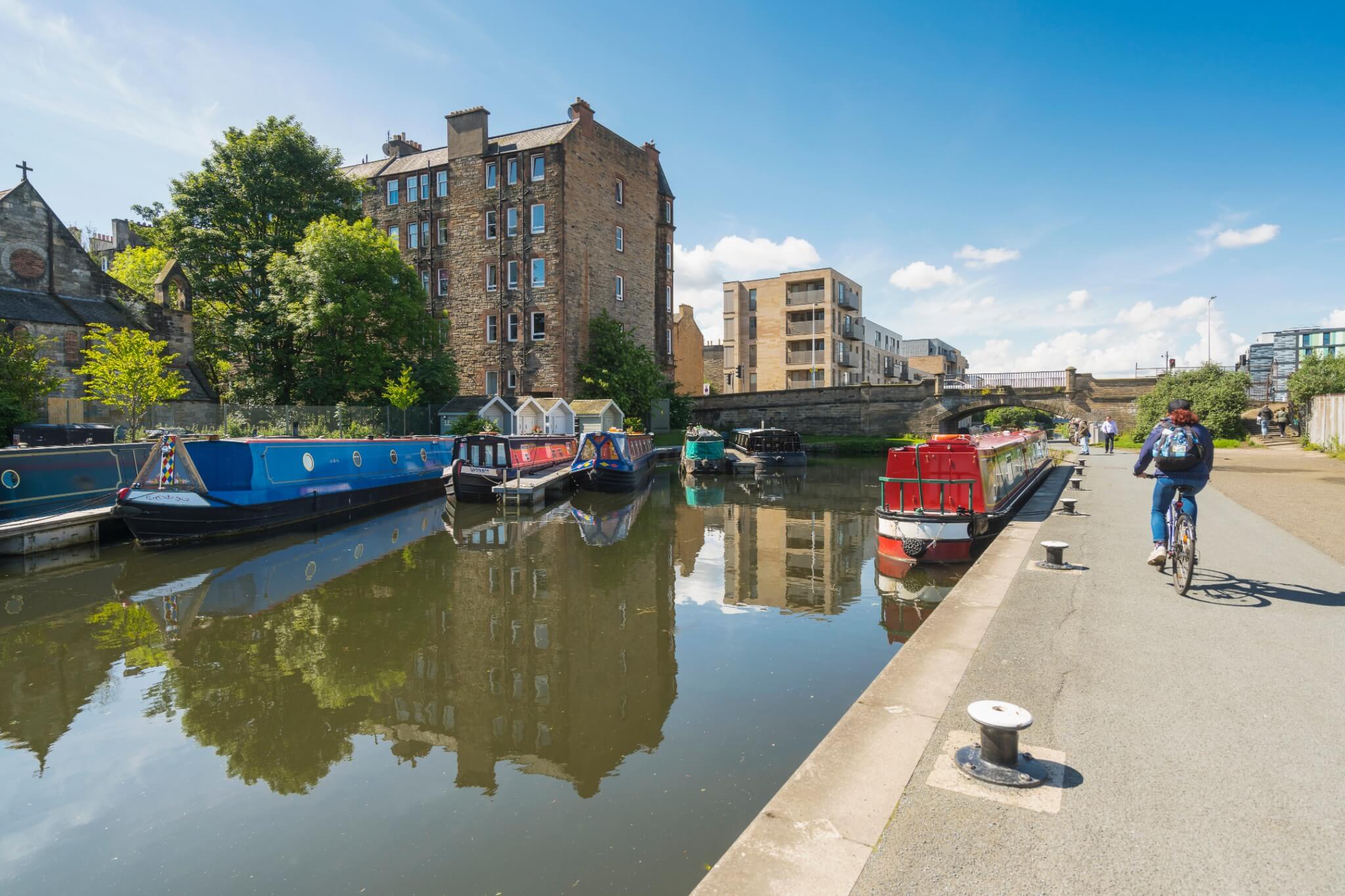
Unusual accommodation in Scotland
Fancy staying somewhere a little different? From castles to lighthouses, teepees to brochs, there's lots of unusual choices.
Scottish arts & culture
Enrich your cultural horizons and learn about all the fantastic galleries, cinemas, museums, and performances throughout Scotland.
Scottish food & drink
Get a taste for Scotland and discover the country's mouth-watering food and drink.
Spotlight — Edinburgh Festival Fringe
The Edinburgh Festivals see three weeks of colourful performances, artistic flair, culture, inclusivity and more descend on the capital. Choose from hundreds of shows, visit iconic and hidden gem attractions, or venture further afield and enjoy the surrounding areas.
Edinburgh Festivals
Discover Edinburgh's summer festivals, including the world-famous Edinburgh International Festival and Edinburgh Festival Fringe.
Edinburgh & The Lothians
Discover the Lothians region and the city of Edinburgh, with holiday ideas, accommodation, travel information and maps & fantastic things to see & do.
14 Hidden gems and things to do in Edinburgh
From breathtaking city views to a serene Japanese garden, discover some of Edinburgh's greatest hidden treasures.
Uncover Scotland's regions
Map of Scotland
Where will you explore?
From the rugged coastline to sparkling city lights, the ancient Caledonian forests of the Highlands to the rich history of the Lowlands, there are plenty of places to start your Scottish adventure.
Not sure where to start?
Find real and unique Scottish experiences in our Scotland travel guide.
Inspiring Scotland travel blogs
Find all the Scottish holiday inspiration your need in our Scotland travel blog.
9 Farm shops & foodie experiences to enjoy in autumn
Discover farm shops in Scotland with foodie farm experiences to enjoy this autumn!
9 of Scotland's most inspiring spots
Spark your own imagination with our list of inspiring spots across Scotland that have influenced some of the world’s greatest stories.
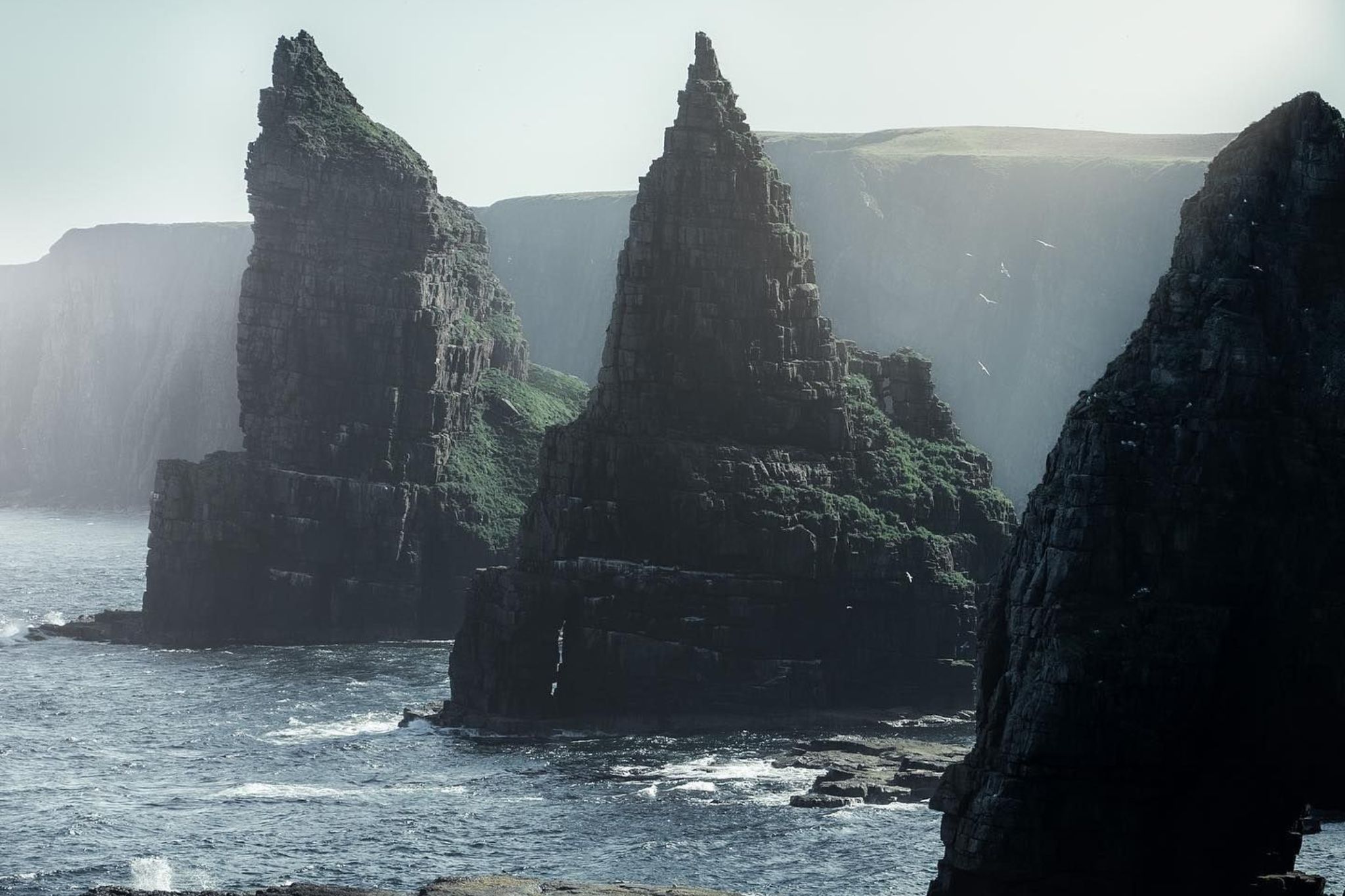
A first-time adventure to Caithness & Sutherland
Read all about a first-time solo adventure to the Far North.
Start planning your seasonal break
Whatever time of year you're coming, Scotland's got you covered. Immerse yourself in each unique season.
Spring holidays & breaks in Scotland
Spring in Scotland is a great time to visit. The longer days mean hours of playtime during your Easter holiday and nature is bursting into life.
Summer holidays & breaks in Scotland
Find ideas and inspiration, from family days out to top camping spots, walks and outdoor activities.
Autumn breaks
There's lots to do during autumn in Scotland. Find inspiration for half-term breaks and autumn holidays from family days out to walks and activities.
Christmas & winter breaks
The weather may be chilly, but the welcome will be warm. You haven't seen anything like Scotland's Christmas celebrations.
Top tips for travelling to Scotland
Find out everything you need to know before you explore Scotland.
Driving in Scotland - Practical information
Check out our guide to driving in and around Scotland by car. Including useful FAQs and top tips for a smooth journey.

Weather in Scotland
What's the weather like in Scotland? Find out about weather throughout the year in Scotland.
Passports, visas & customs
Coming from overseas? Check the passport and visa requirements for visiting Scotland.
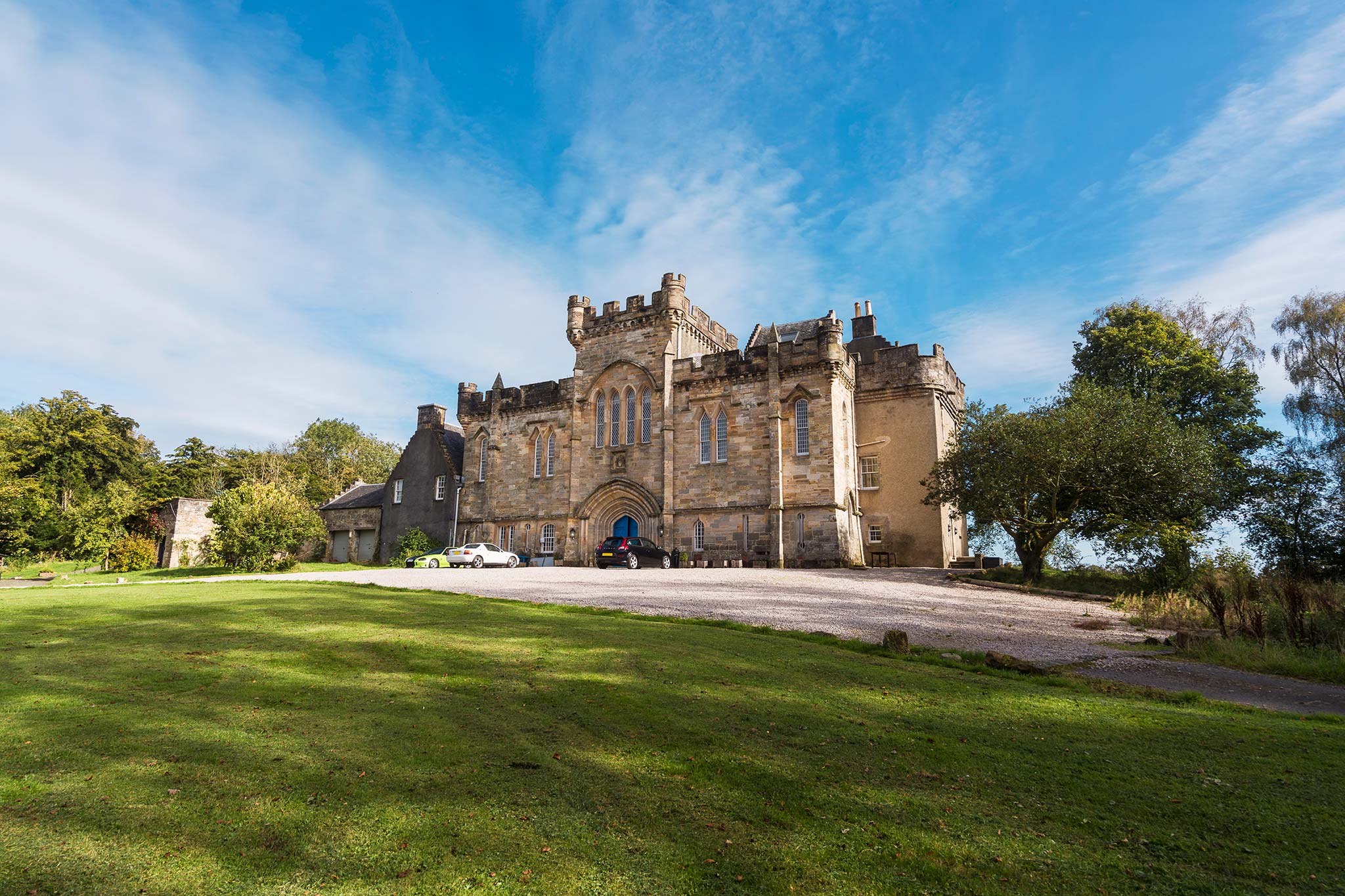
Accommodation in Scotland
Find the perfect accommodation for your break to Scotland.
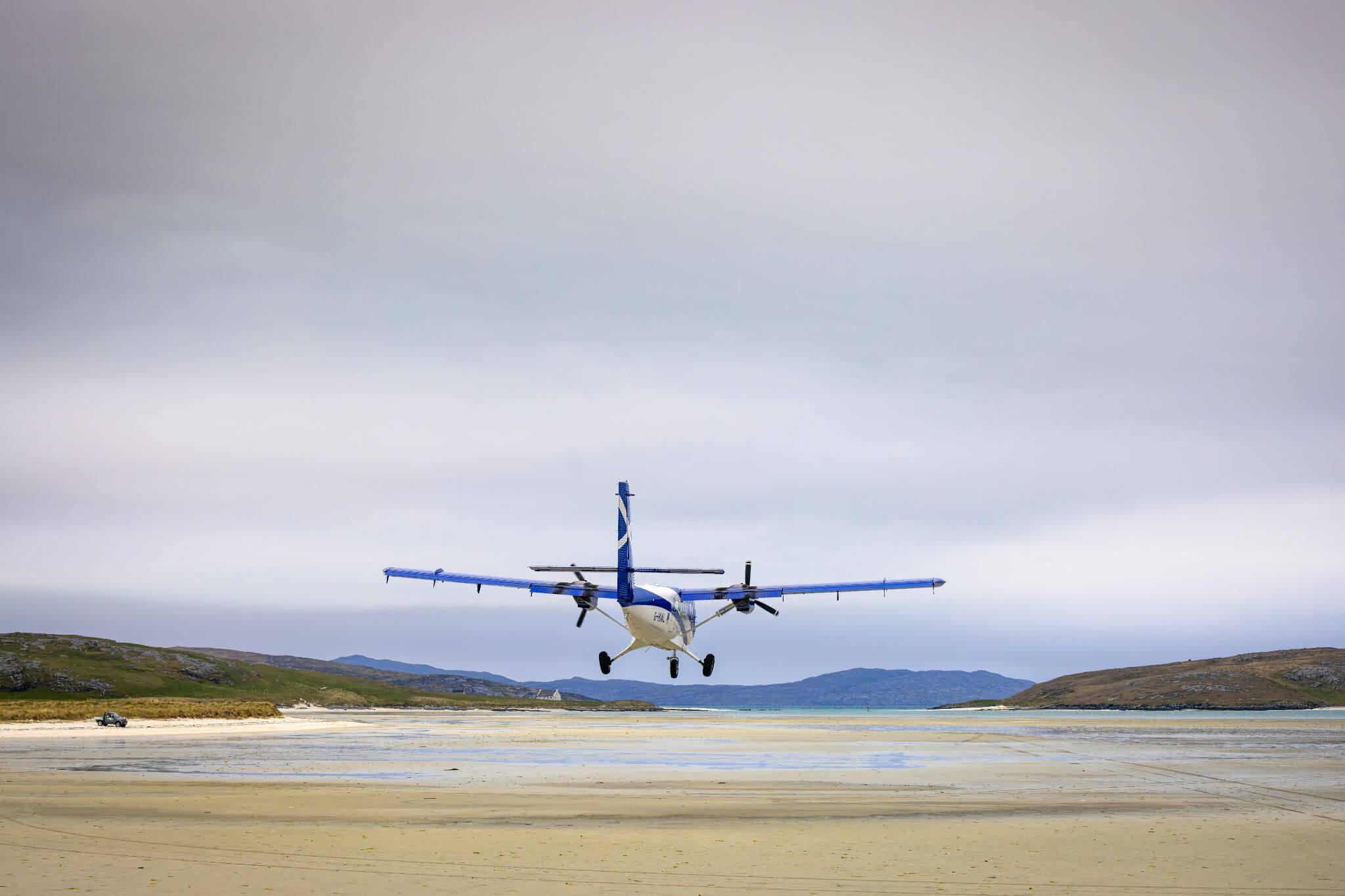
Electronic Travel Authorisation (ETA)
Find out more information on how to apply for an Electronic Travel Authorisation which is required for visitors travelling without a visa.
Plan your holiday to Scotland
Our guide gives you the tips you need to make the most of your trip, from where to go to the best time to visit.
Find experiences
JavaScript needs to be enabled to see this product search form. You can turn this on in your browser settings.
