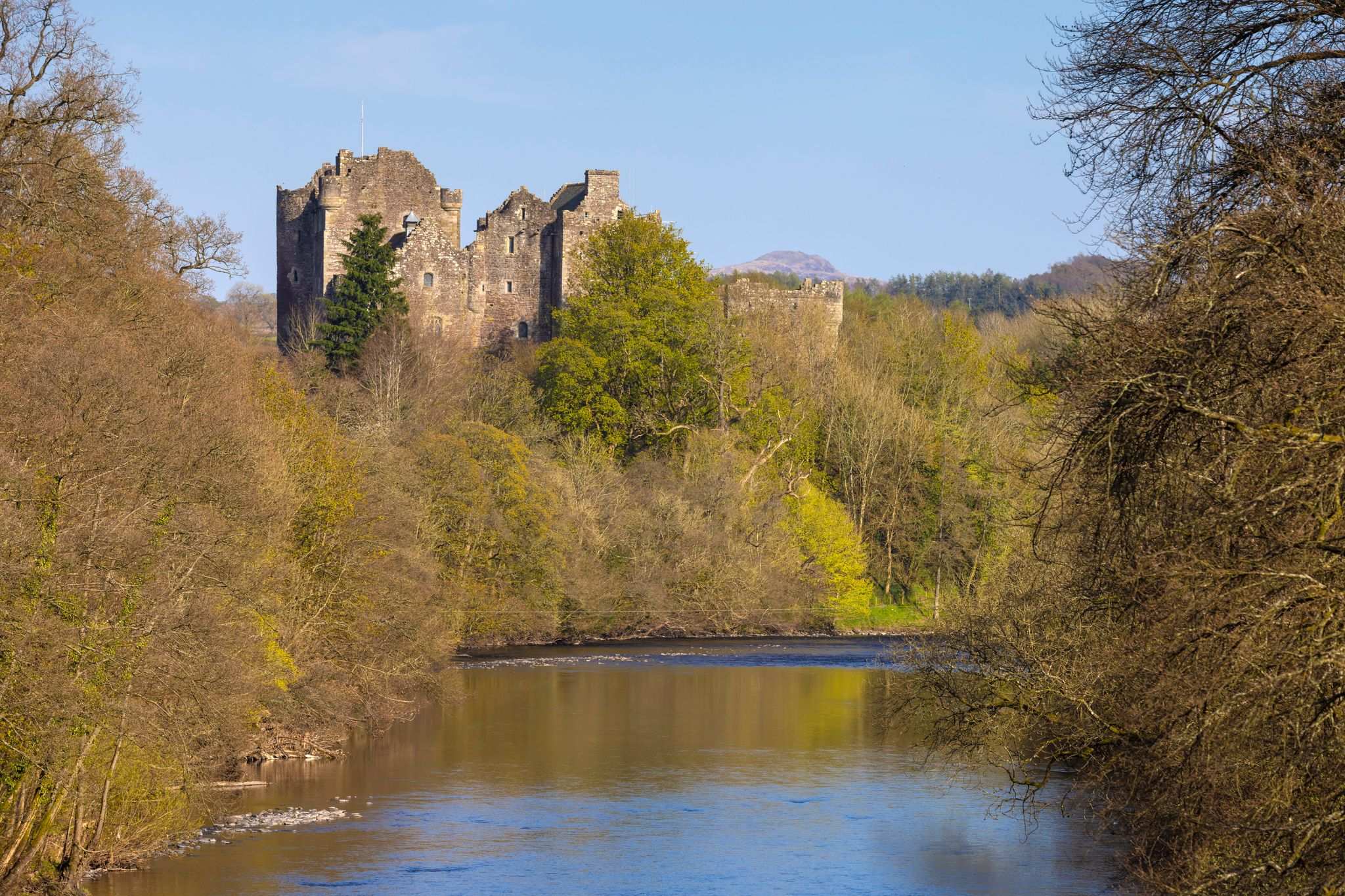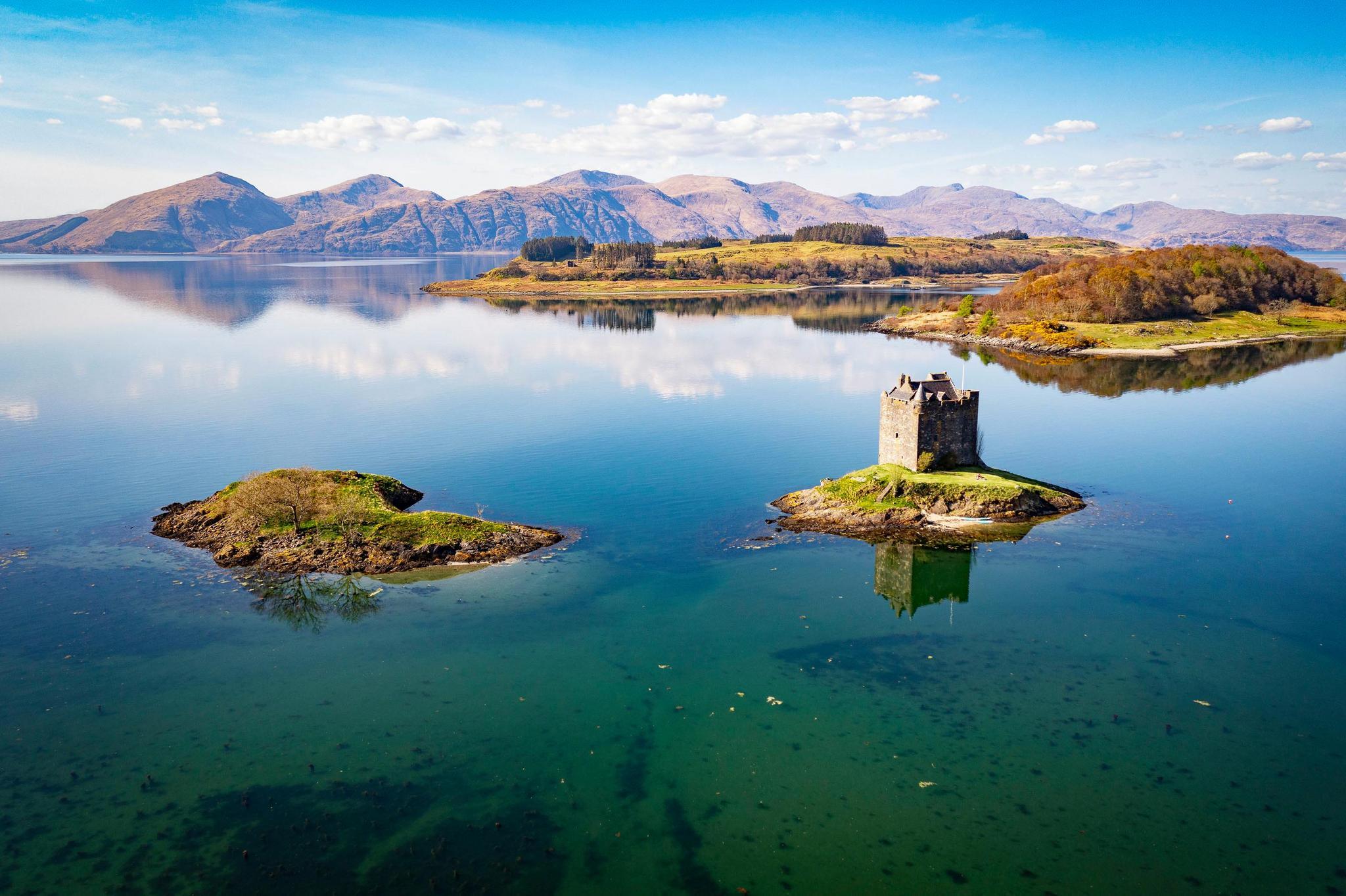
Scotland's turbulent history has left an enduring mark on the landscape in shape of the many castles, fortresses and tower houses that pepper the countryside. Some - such as Edinburgh or Stirling - rank amongst Europe's most impressive structures while other less grand examples provide a stark insight into darker times.
All Scottish castles, however, have the power to capture the imagination which explains why they regularly top the list of 'must-see' attractions for visitors.
Here are a selection of classic Scottish castles to whet your appetite...
Perched high above the capital, this is Scotland's most important and famous castle. There has been a castle here since the 11th century and each century has seen changes and additions resulting in today's mix of military barracks, palace, fortress and war memorial. The castle is also home to the Scottish Crown Jewels - 'The Honours of Scotland' - and the famous Stone of Destiny, plus the mighty 'Mons Meg', a huge 15th-century siege cannon. On a smaller scale, The One O'clock Gun fires from the ramparts each weekday, scaring pigeons and the unaware on Princes Street far below.
Perched high on volcanic rock, Stirling provides spectacular views over two of Scotland's most historic battlefields - Stirling Bridge and Bannockburn. Much of today's castle dates from the 15th-18th centuries. The Great Hall has been restored to how it would have looked around 1500 and there are excellent interactive displays on the castle's history.
Eilean Donan is for many people, the archetypal Scottish castle; it is certainly one of the most photogenic and photographed. Ruined during one of the Jacobite risings in the early 18th century, it was restored to all its glory some two centuries later and is now the headquarters of the Clan McRae. The castle's most spectacular feature is its magnificent setting.
Caerlaverock dates from the late 13th century and is one of the finest medieval structures in Scotland. A turbulent history saw it destroyed on several occasions, for the final time in the early 17th century by the Covenanters. Though much ruined internally, some fine carved stone panels, windows and fireplaces indicate the original grandeur of this extraordinary castle.
As visitors approach Glamis they often draw breath in admiration at the sheer magnificence of the building. With the Cairngorm Mountains providing a spectacular backdrop and beautiful landscaped grounds, one can see that this Castle truly is inspiring. Like most castles, the story of Glamis has been one of additions, alterations and reconstructions to satisfy the needs and aspirations of its owners and the architectural fashions of the day. This is the ancient seat of the Earls of Strathmore, the childhood home of HM Queen Elizabeth The Queen Mother, the birthplace of HRH The Princess Margaret and the legendary setting for Shakespeare’s ‘Macbeth’.
Blair Castle is the ancient seat of the Dukes and Earls of Atholl and home to the Atholl Highlanders, the last remaining private army in Europe. It has a long and illustrious history and the present majestic structure is largely a product of Georgian and Victorian development of its original medieval tower. Over seven centuries, Blair Castle has accumulated many fascinating historical artefacts including antique furniture, art, period dress and arms and armour, many of which are on display to the public.
Craigievar is hidden in the wooded hills of Aberdeenshire. Looking as though it's come straight from a fairytale, this stylish 17th-century tower house is a fine example of the Scots baronial style of architecture. Seven storeys high, its sheer walls are topped by a riot of turrets, towers, crow-stepped gables and conical roofs which give it its distinctive character.
Culzean Castle is the jewel in the crown of the National Trust for Scotland. This grand cliff-top country house was remodelled in the late 18th century by the renowned architect Robert Adam in his trademark neo-classical Georgian style. The Circular Saloon has a panoramic view over the Firth of Clyde and the Oval Staircase is Adam's final masterpiece of interior design.
Any visit to the Isle of Skye is incomplete without savouring the wealth of history and clan legend at Dunvegan Castle & Gardens. Built on a rocky outcrop, Dunvegan is the oldest continuously inhabited castle in Scotland and has been the ancestral home of the Chiefs of Clan MacLeod for 800 years.
Fyvie is an outstanding example of Scottish baronial architecture. Having begun as a simple castle in the 13th century, it passed through the hands of five powerful families, each of whom added significantly to it until it reached its present form. Inside, the magnificent sweeping staircase is the most dramatic feature while many treasures are on display.
Duart Castle, seat of the Clan Maclean for over seven centuries, stands on a rocky outcrop offering excellent natural defences as well as fantastic panoramic views. Massive curtain walls ring the castle's landward side while a huge 14th-century tower house looks out to the Sound. Ruined in the late 18th century, it was restored in 1911 by the then clan chief, Sir Fitzroy Maclean.
Inveraray Castle dates from the 18th century and is home to the Duke of Argyll, Chief of the Clan Campbell, whose family have lived in Inveraray for over five centuries. With its large turretted corner towers, the castle has something of a fairytale aspect which belies the grandeur of the interior. This is exemplfied in the fine State Dining Room and Tapestry Drawing Room which contain magnificent French tapestries, fabulous examples of Scottish, English and French furniture and a wealth of other works of art.
Cawdor Castle dates from the mid 15th century but with some portions likely to be older. Originally consisting only of its central tower, significant additions were made in the 17th and 19th centuries to give it its current structure. Well known for its fictional association with Shakespeare's Macbeth, Cawdor is also famed for its magnificent gardens, portions of which are over 300 years old.

Connect with us: