Whether you want a gentle stroll or a hike up a rugged mountain, use the walking grades to help you find the perfect level of walk for you.
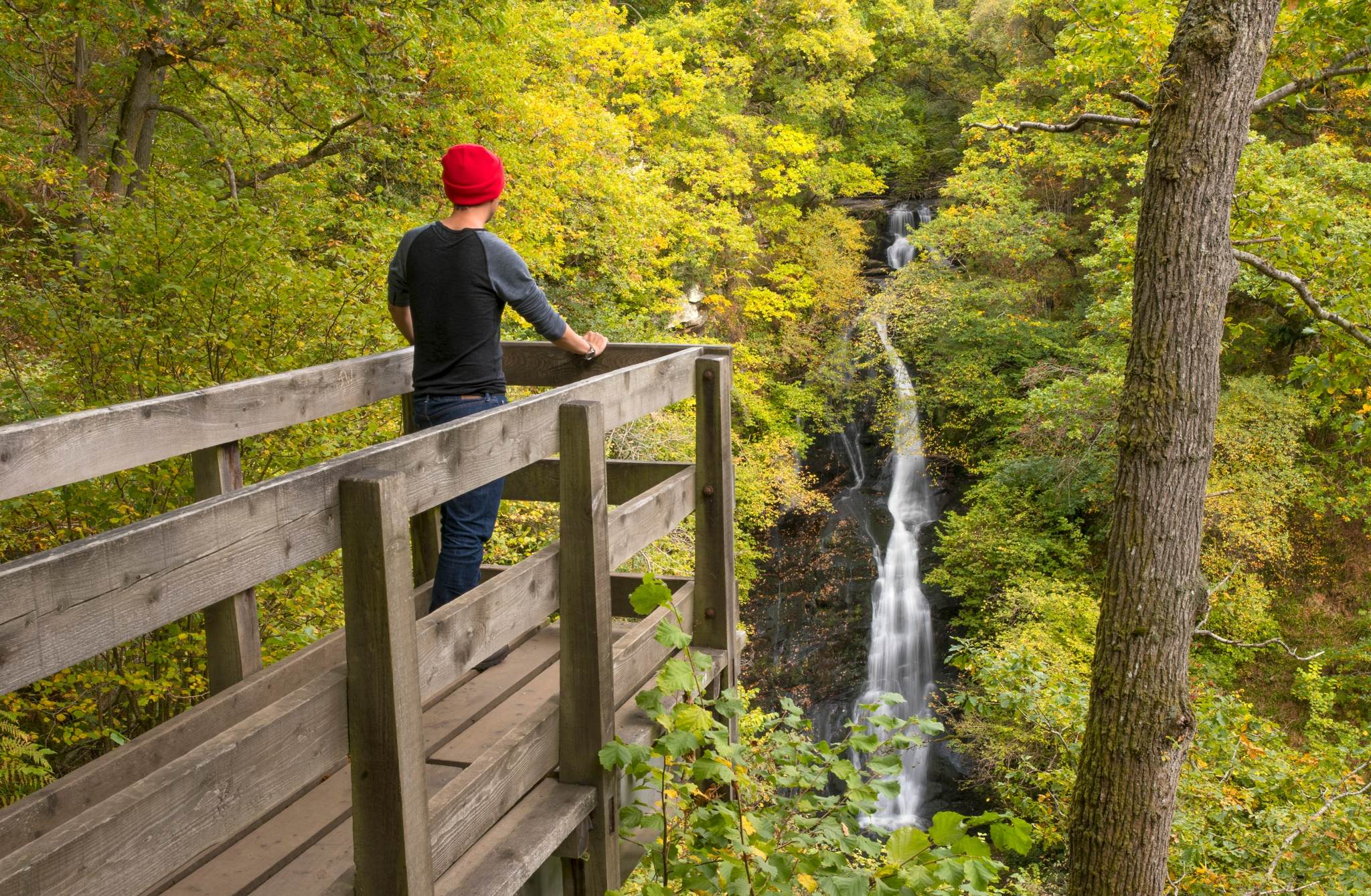
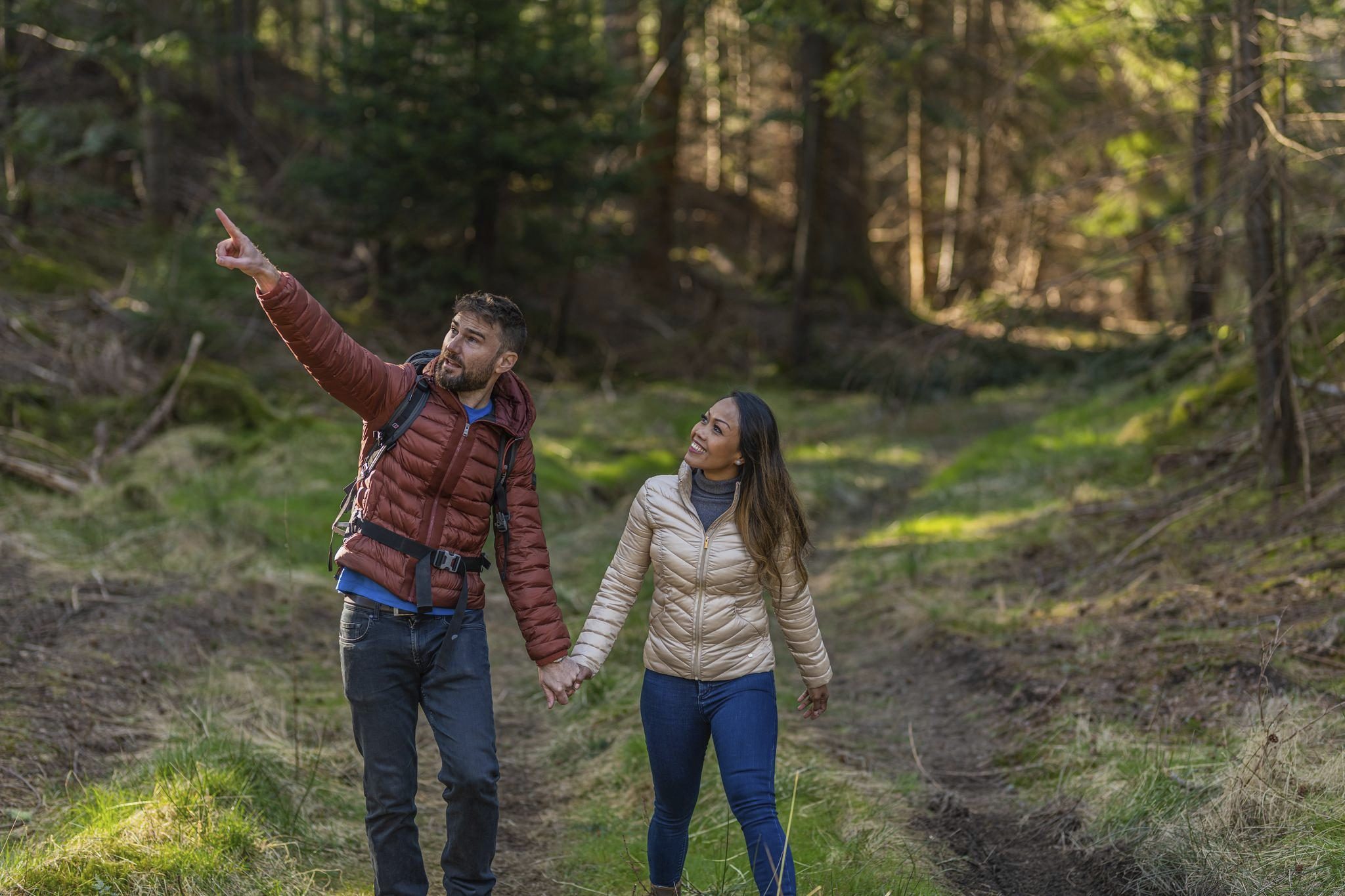
Moderate walks are under 5 miles, and are usually suitable for most abilities. The walk surface may be loose, uneven and muddy so sensible footwear is required.
Longer walks are over 5 miles, and are usually suitable for those with a good standard of fitness. The walks surface is likely to be more challenging, loose, uneven and muddy so stout waterproof footwear with ankle support is required.
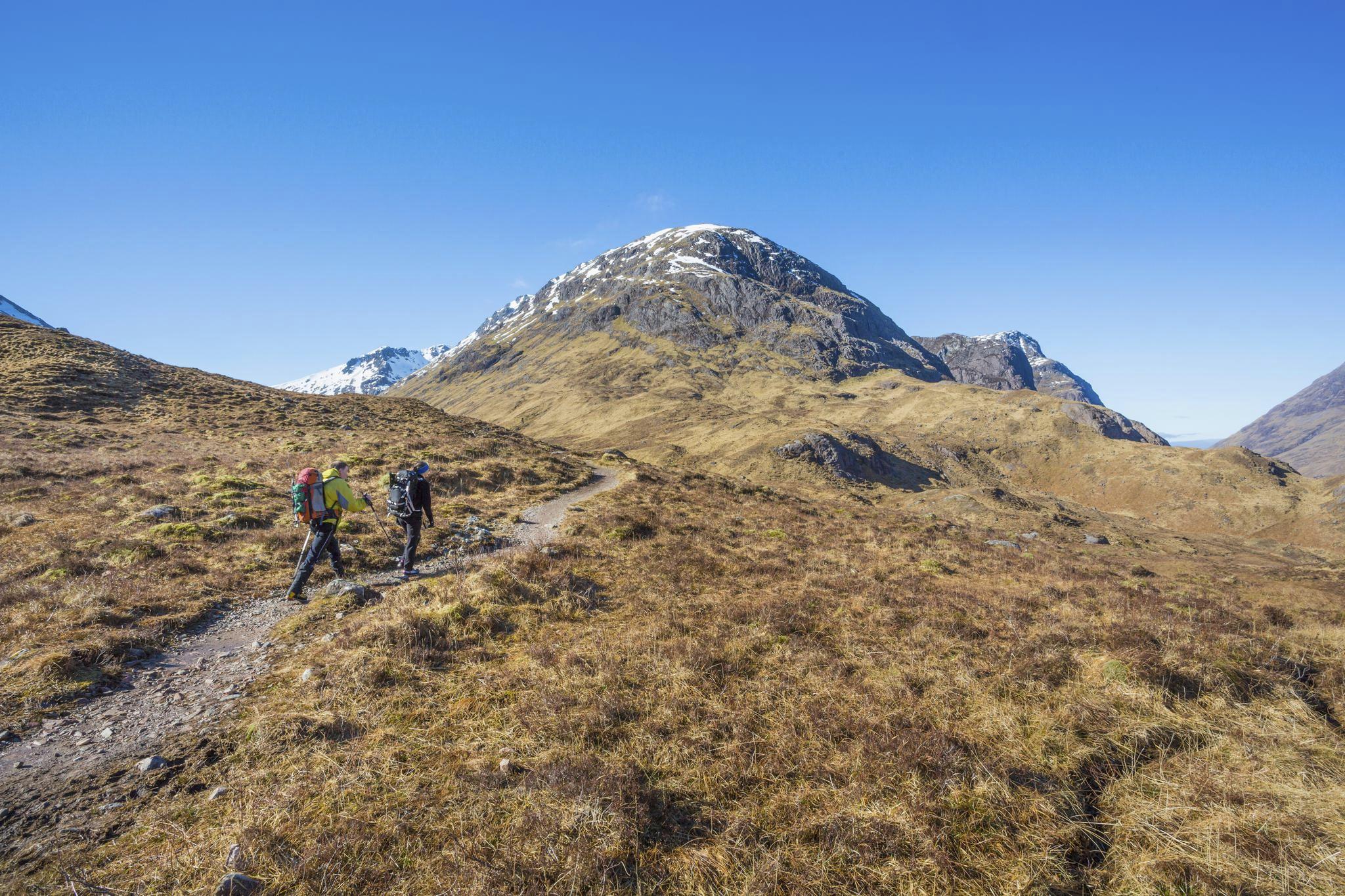
Hill and mountain walks can be of any length and involve prolonged and usually strenuous climbing, requiring a high level of fitness and stamina.
The walk surface may be challenging, loose, boggy, steep, rocky and muddy so hillwalking boots are required. In winter, you may need additional equipment, which you should be experienced in using.
Climbing, hillwalking and mountaineering can be dangerous activities. Participants should be aware of and accept these risks and be responsible for their own actions and involvement. Find out how to stay safe in the mountains.
Long-distance routes are walks of more than 25 miles, usually taking more than one day and requiring a high level of fitness and stamina. The walks are usually on waymarked and mixed surface trails which can be challenging, loose, boggy, steep, rocky and muddy so hillwalking boots are required.
Scotland is well known for its hills and mountains but if you have mobility difficulties there are still many places where you can go walking. A number of organisations exist that can help provide information on access opportunities for those with mobility difficulties such as Forth & Tay Disabled Ramblers, Fieldfare Trust, Borders Disability Forum and Paths for All.
For more information on walking and for walking routes, visit Walking World or Walk Highlands.