
Beinn Eighe National Nature Reserve
VisitScotland / Kenny Lam
Walking in Scotland
From bucket list peaks and ancient forest paths to long distance routes and serene lochside views, add Scotland to your walking holiday.
Step into Scotland's trails
Whether you're looking for a local short stroll or a challenging walking holiday through magnificent landscapes, you can find routes that suit every pace and ability all in one area, with Scotland’s freedom to roam making it even easier to explore.
Scale Scotland's mountain and peaks
Take on Scotland’s iconic peaks, from famous Munros to smaller hills and glens. Whether you’re new to hillwalking or building up to bigger summits, expect rewarding climbs with sweeping views and routes that help you experience Scotland’s mountain landscapes at your own pace.
Munros in Scotland
Cross wild glens and open moorland, to reach the summit and stand above clouds on Scotland's iconic Munros.
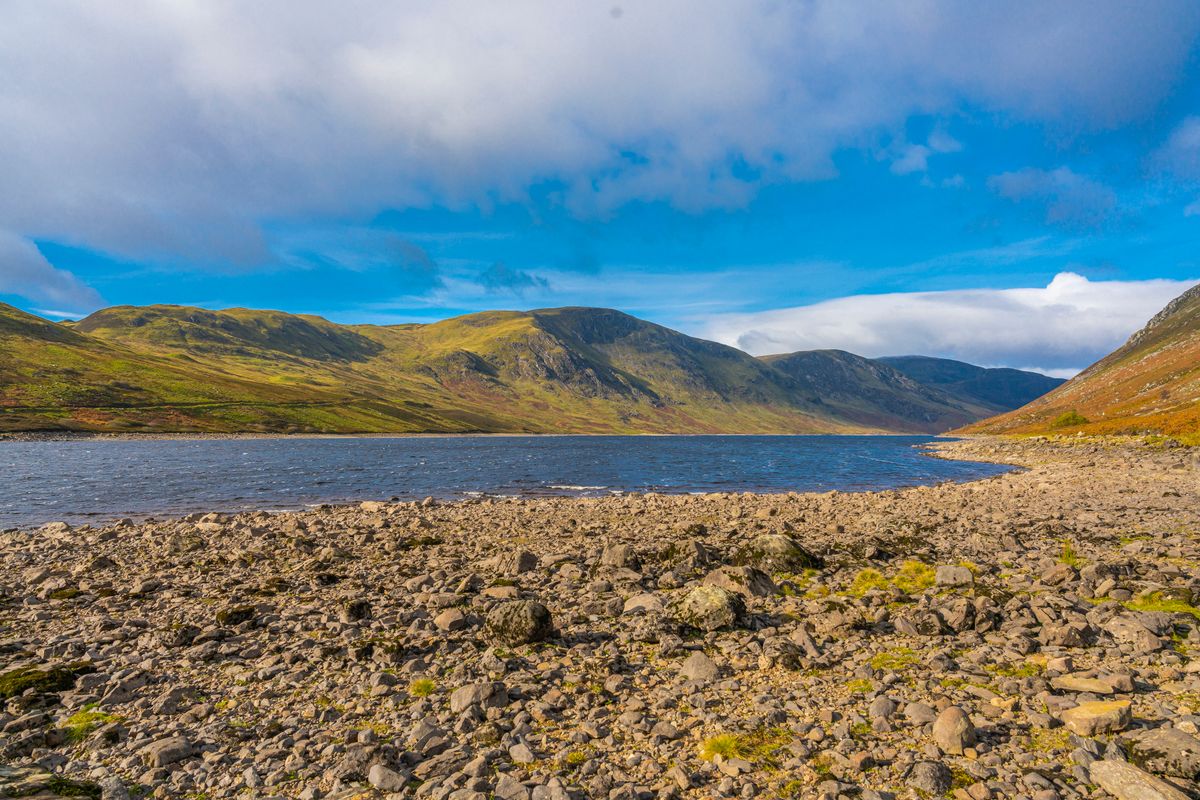
10 Munros for beginners in Scotland
There’s no such thing as an “easy” Munro, but these 10 climbs are a great place to start.
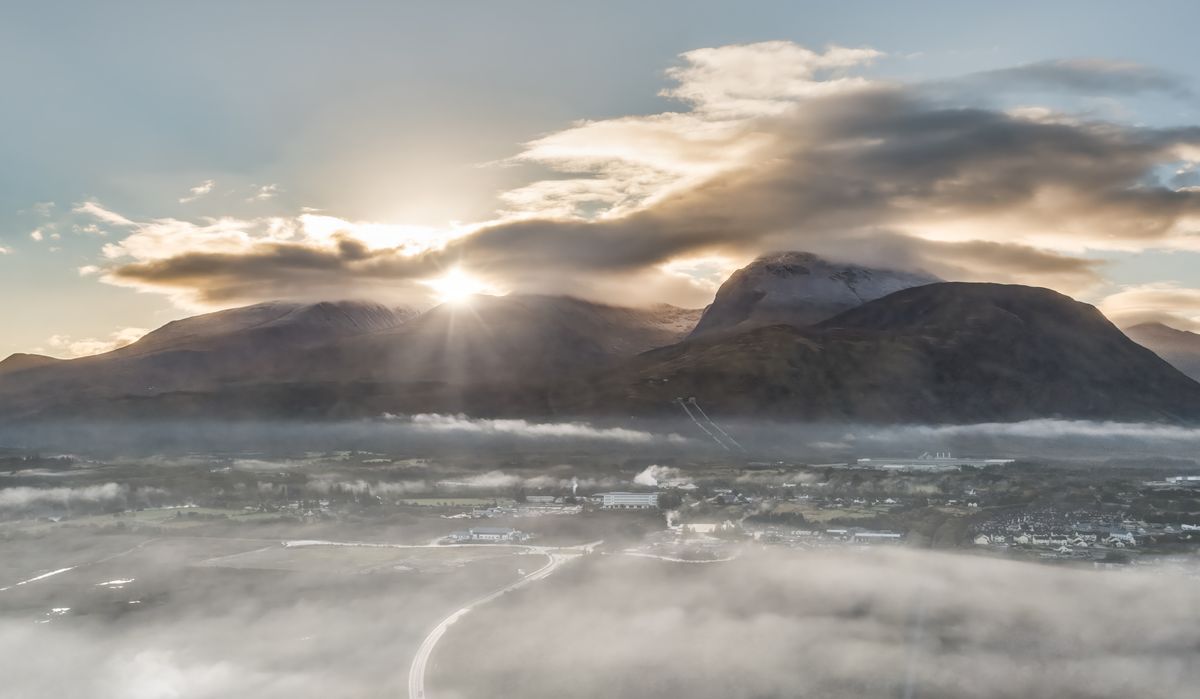
Ben Nevis
The UK’s highest peak towers above glistening lochans and deep glacial valleys, with a wild heart and adventurous spirit waiting to be discovered.
Types of walks in Scotland
No matter your walking ability or how much time you have to explore Scotland’s trails, you’ll easily find something to suit you. Scotland is home to magnificent peaks that can take half a day or more to complete, but there are also peaceful trails and scenic walks on ground level with plenty of hidden viewpoints. Here are a few suggestions to get you started:
Low-level, easy walks
- The Hermitage, Dunkeld – an enchanting forest walk through Perthshire’s ‘Big Tree Country’.
- Glencoe Lochan – be swept away in the iconic landscapes of Glencoe with this scenic trail.
- Glen Affric, Highlands – explore the routes and trails around this magical glen nestled in amongst the mountains of Kintail.
- Galloway Forest Park, Dumfries & Galloway – popular for stargazing in the evening and walking and cycling during the day, there are plenty of woodland wanders to enjoy.
- Falls of Foyers, Loch Ness – this magical waterfall is surrounded by stunning forests to the south of the infamous Loch Ness.
Challenging terrain and peaks
- Buachaille Etive Mòr, Glencoe – this popular pyramid-shaped Munro can be spotted from miles away and boasts steep scrambles and panoramic views.
- The Quiraing Circuit, Isle of Skye – an iconic spot on the island, pass by unique rock formations and craggy sides of this circuit, all accompanied by jaw dropping views.
- The Cobbler (Ben Arthur), Arrochar – featuring a distinctive outline, this peak is a popular ascent for locals with rugged paths exploring both main peaks.
- Ben Macdui, Cairngorms National Park – the second highest peak in Britain nestled in one of Scotland’s National Parks, this walk challenges even the best of experts.
- Beinn Eighe Mountain Trail, Torridon – noted as Britain’s only waymarked mountain walk, this route boasts a steep climb surrounded by a range of habitats and scenery.

Black Linn Falls at The Hermitage, Perthshire
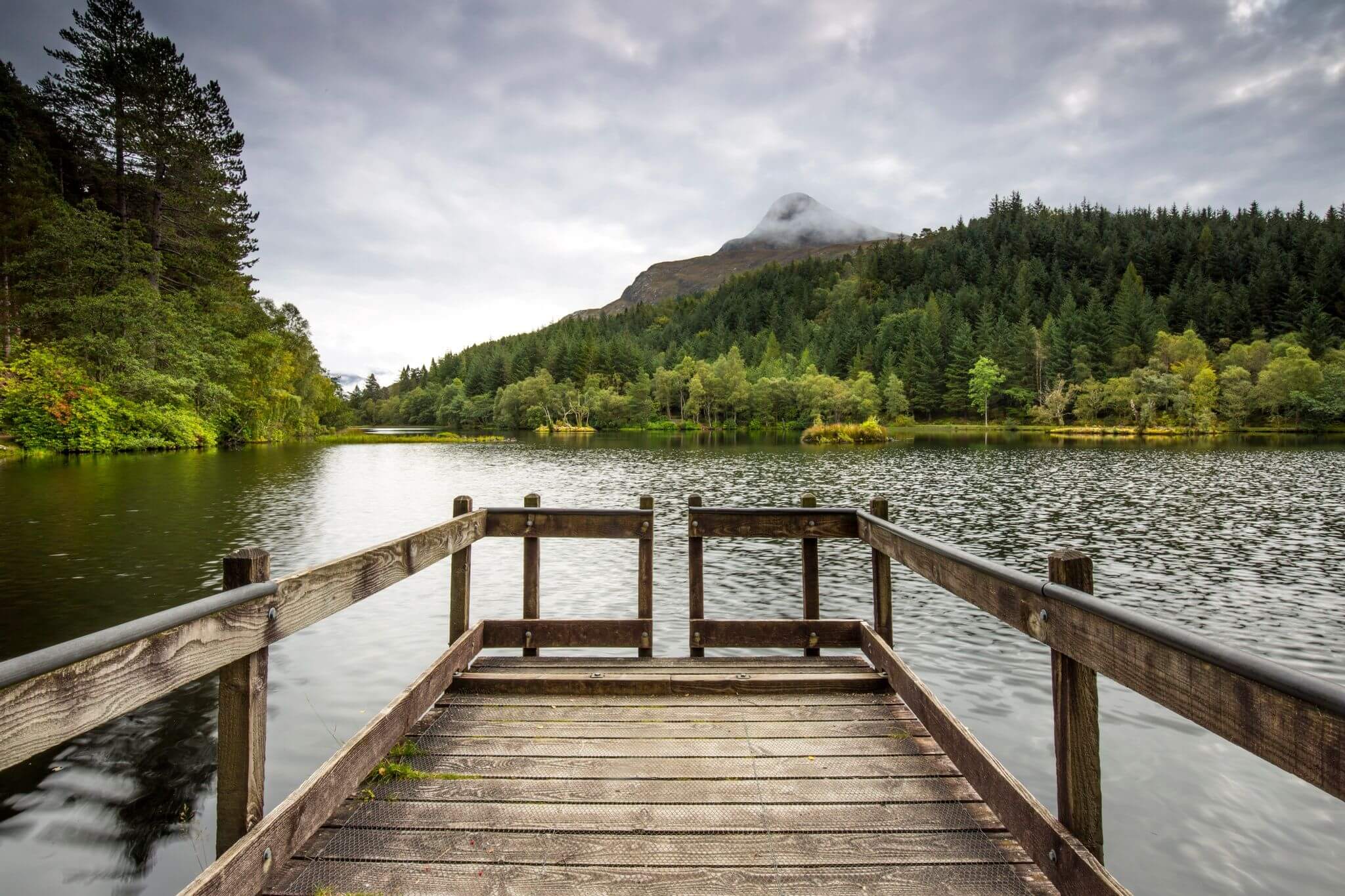
Glencoe Lochan
Loch Affric
© VisitScotland / Paul Tomkins
View across Loch Ken towards the Galloway Forest Park
Falls of Foyers
© @byronbizzle
Hillwalkers, Buachaille Etive Mòr in Glencoe
© VisitScotland / Kenny Lam
The Quiraing, Isle of Skye
Ben Arthur
Ben Macdui
© @kat.alx
Beinn Eighe Mountain Trail
© VisitScotland / Kenny Lam
Explore Scotland with the experts
Use trusted route guides
Start by exploring platforms with detailed maps, terrain information and user reviews. These can help you choose a route that suits your time, fitness level and interests.
The route to the famous Munro of Schiehallon
© Perth and Kinross council / Fred Murray
Find the perfect walk for you
Our ancient woodlands, glistening lochs, magical National Parks and rolling hills make the perfect day out in Scotland. Where will you choose?
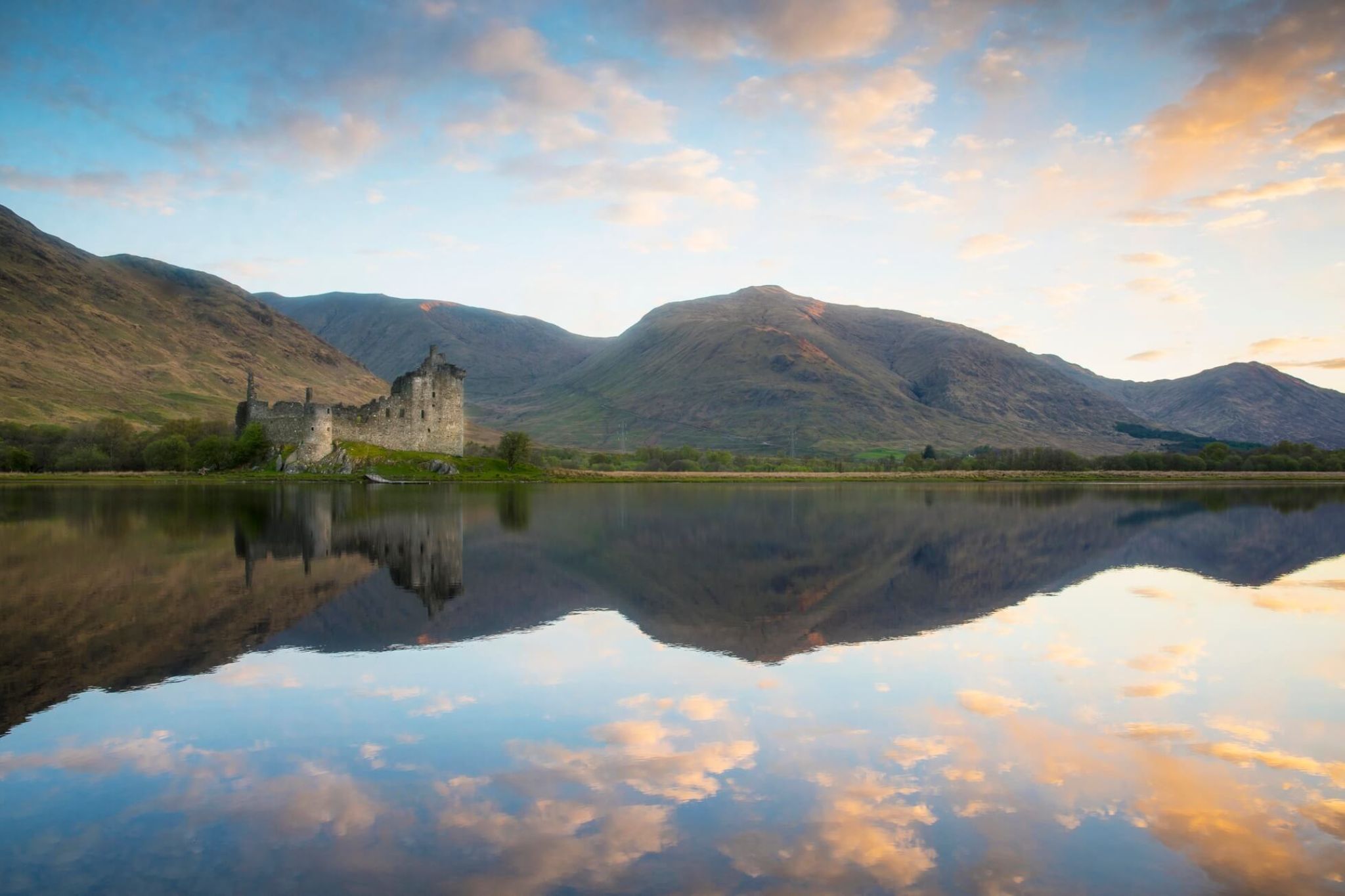
10 Beautiful lochs in Scotland
They are places of great natural beauty, mystery and adventure – Scotland’s lochs are part of what makes our landscapes so unique.
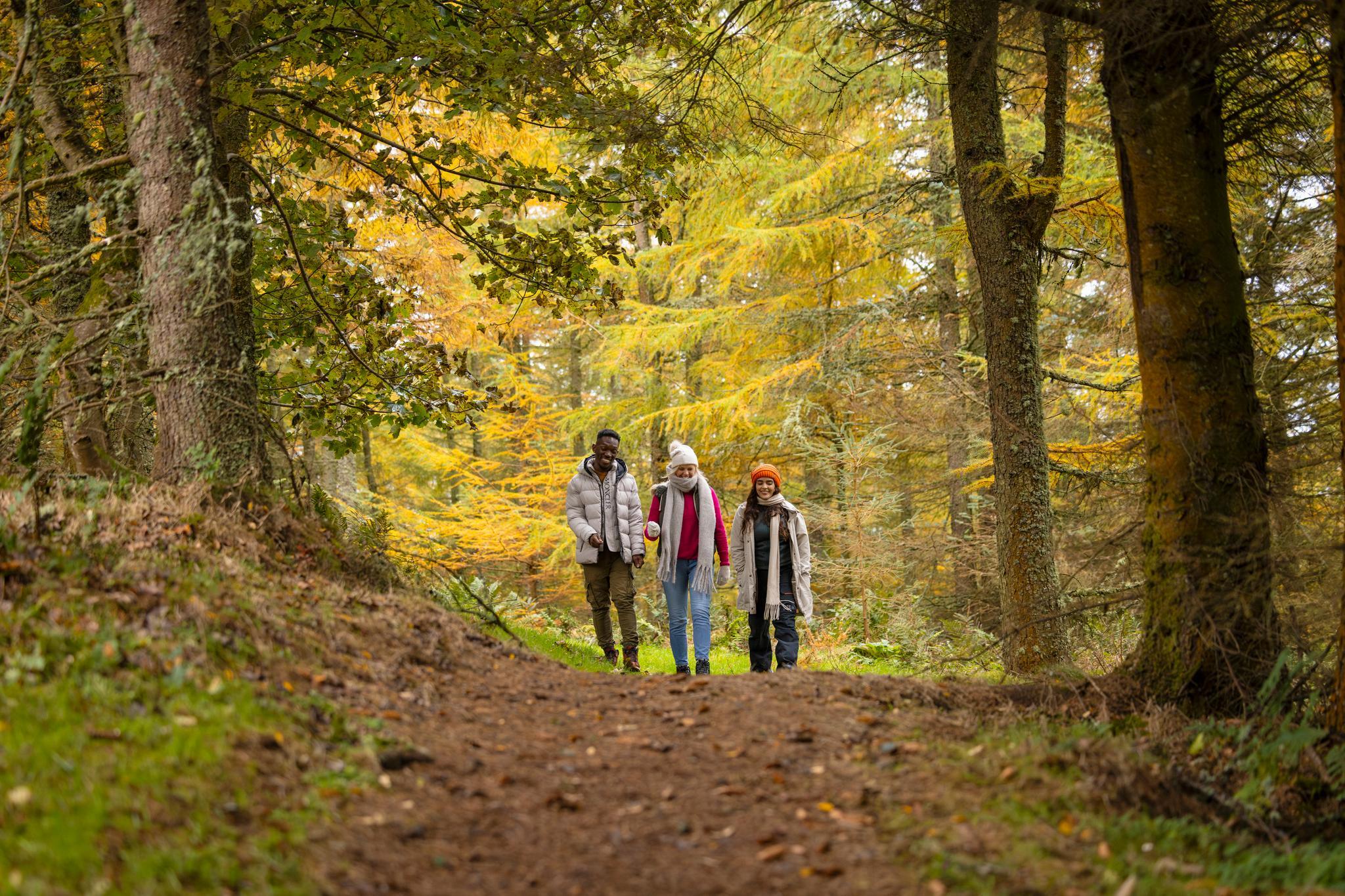
Scottish forests and woodlands
Wander among ancient trees and follow peaceful trails to spectacular landscapes and wildlife.
Scotland's National Parks and natural heritage sites
Venture into the wild heart of Scotland, where ancient landscapes, wild beauty and unforgettable adventures await.
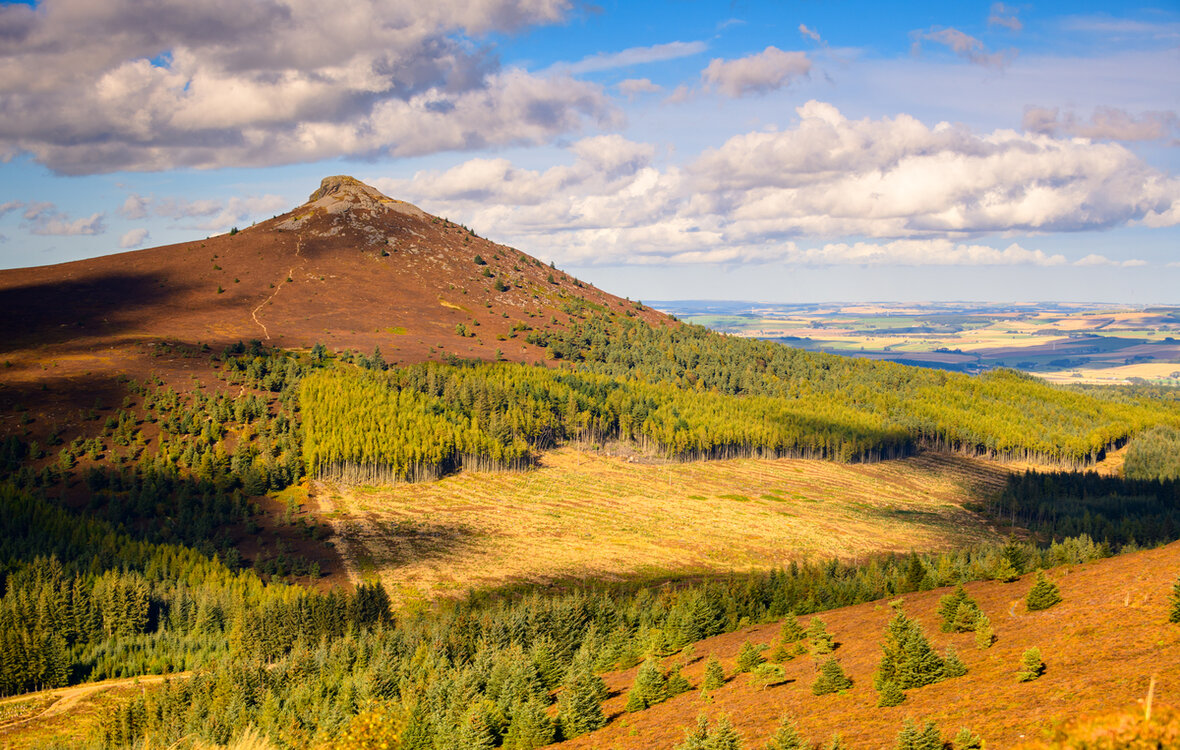
6 Easy hill walks with amazing views
Adventure up tree-lined paths and rocky summits and soak up inspiring views from the top of these gentle hills.
Spotlight on: Loch Lomond & The Trossachs
With placid lochside paths, serene forest trails and invigorating hill walks, Loch Lomond & The Trossachs brings together some of Scotland’s most varied landscapes in one place. Wander along the water’s edge, step into enchanting woodland or climb higher for awe-inspiring views across the National Park.
- Conic Hill – a short climb with rewarding views over Loch Lomond
- Loch Ard Forest trails – peaceful woodland routes with varied distances
- West Highland Way (Loch Lomond section) – explore part of Scotland’s most famous long-distance route
Learn more about walking and hiking in Loch Lomond & The Trossachs
Walkers on Conic Hill
Your pictures of walks in Scotland
Plan your walk
Stay informed
Take advantage of the freedom to roam across Scotland’s landscapes, while doing so safely and respecting the environment and local communities. Be sure to consult the following resources before you set off.
- Scottish Outdoor Access Code – read up on how to navigate Scotland’s outdoors correctly; respecting the landscape and wildlife, and acting responsibly
- Sofa 2 Summit – get the most out of your hiking adventures in Scotland with this free online guide that will help refresh your practical skills and knowledge
- Check the forecast – Mountain Weather Information Service – check the forecast ahead of your outdoor pursuits so you can plan appropriately and take all the necessary kit and clothing
- Wildfire prevention – brush up on your fire safety tips to help keep yourself, others and Scotland’s landscapes safe
- Protect and improve paths – Ramblers – learn about your right of way when using Scotland’s paths and trails, and how to protect these routes for generations to come
Accessibility
Scotland has a wide range of accessible paths and trails for an enjoyable day out in nature. Explore scenic forest walks, lochside routes and well-maintained paths designed for a range of physical capabilities. Find out more at:
Travel
When you are out enjoying all that Scotland has to offer, please remember to respect the landscape around you. If you are travelling by car, van, or motorhome, please remember to:
- Only park in designated car parks.
- Not park or grass verges or on the edge of roads.
- Avoid parking that blocks driveways, access routes, or similar.
- Plan your trip ahead to find the best travel options for you.