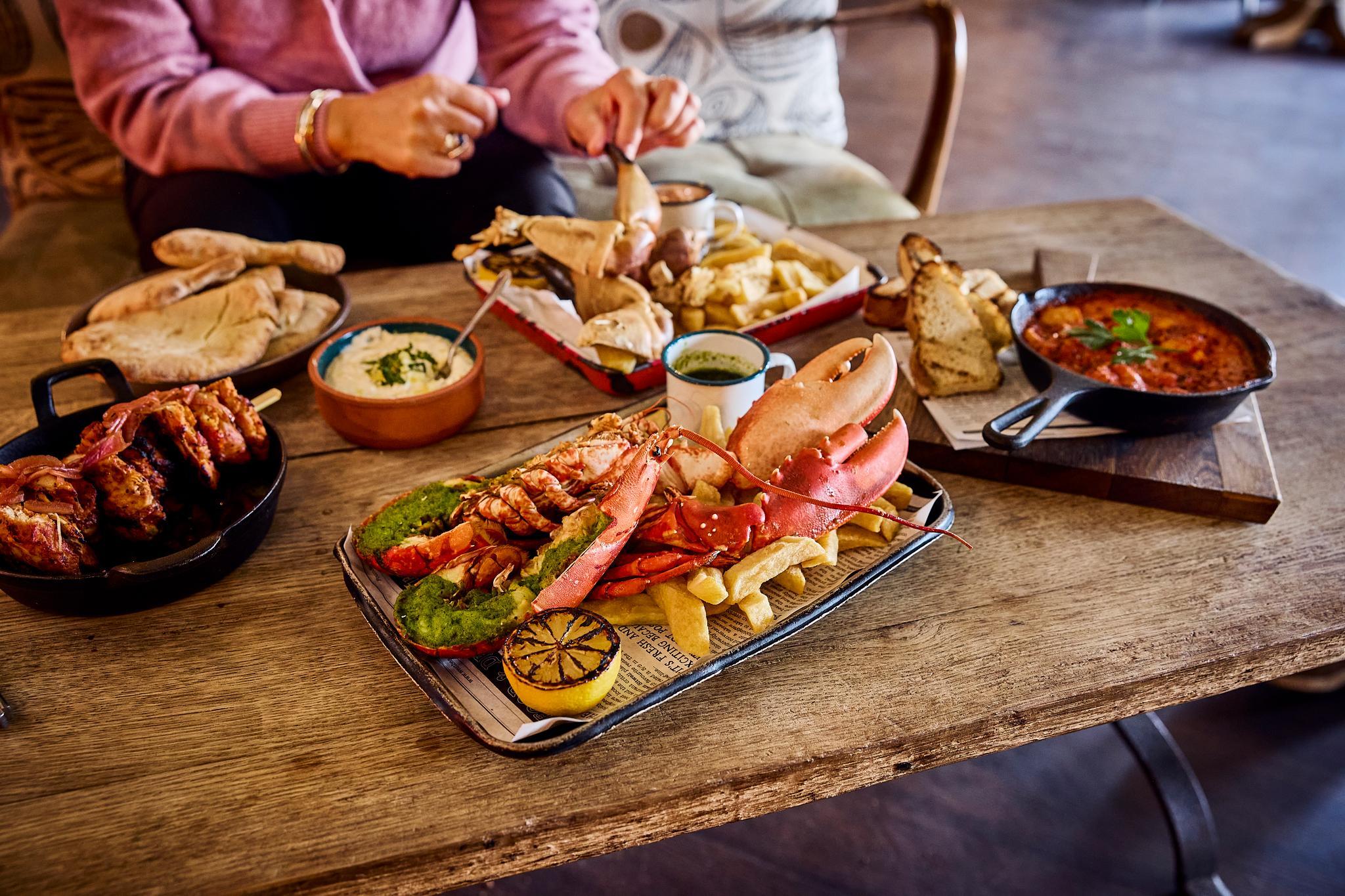
Haggis stack at Mharsanta
© Mharsanta
Gaelic
Scottish Gaelic (Gàidhlig) is one of Scotland’s native languages and has played a crucial role in the country’s arts and culture scene from musical influences and place names to even popular TV series including Outlander. Today Gaelic is still spoken by around 70,000 Scots.
Discover the history behind Scottish Gaelic
Whisky
It wouldn’t be a trip to Scotland without trying our national drink, whisky. You’ll find over 130 active distilleries with many offering a range of tours. Get a behind-the-scenes look into the whisky making process and taste some of the finest drams.
Haggis
Accompany your dram of whisky with Scotland’s national dish, haggis. Typically served with turnip (neeps) and potatoes (tatties), you’ll find this classic dish across many pubs and restaurants. Many Scots will have haggis as their main meal during Burns Night and St Andrews Day.
Ben Nevis
© VisitScotland / Airborne Lens
Beautiful landscapes and nature
When it comes to natural scenery, Scotland knows how to impress. Home to Ben Nevis (Scotland’s highest mountain), two national parks, Europe’s first Dark Sky Town and 282 Munros, this is just the start of your fascinating outdoor quest.
Witness Scotland’s natural beauty
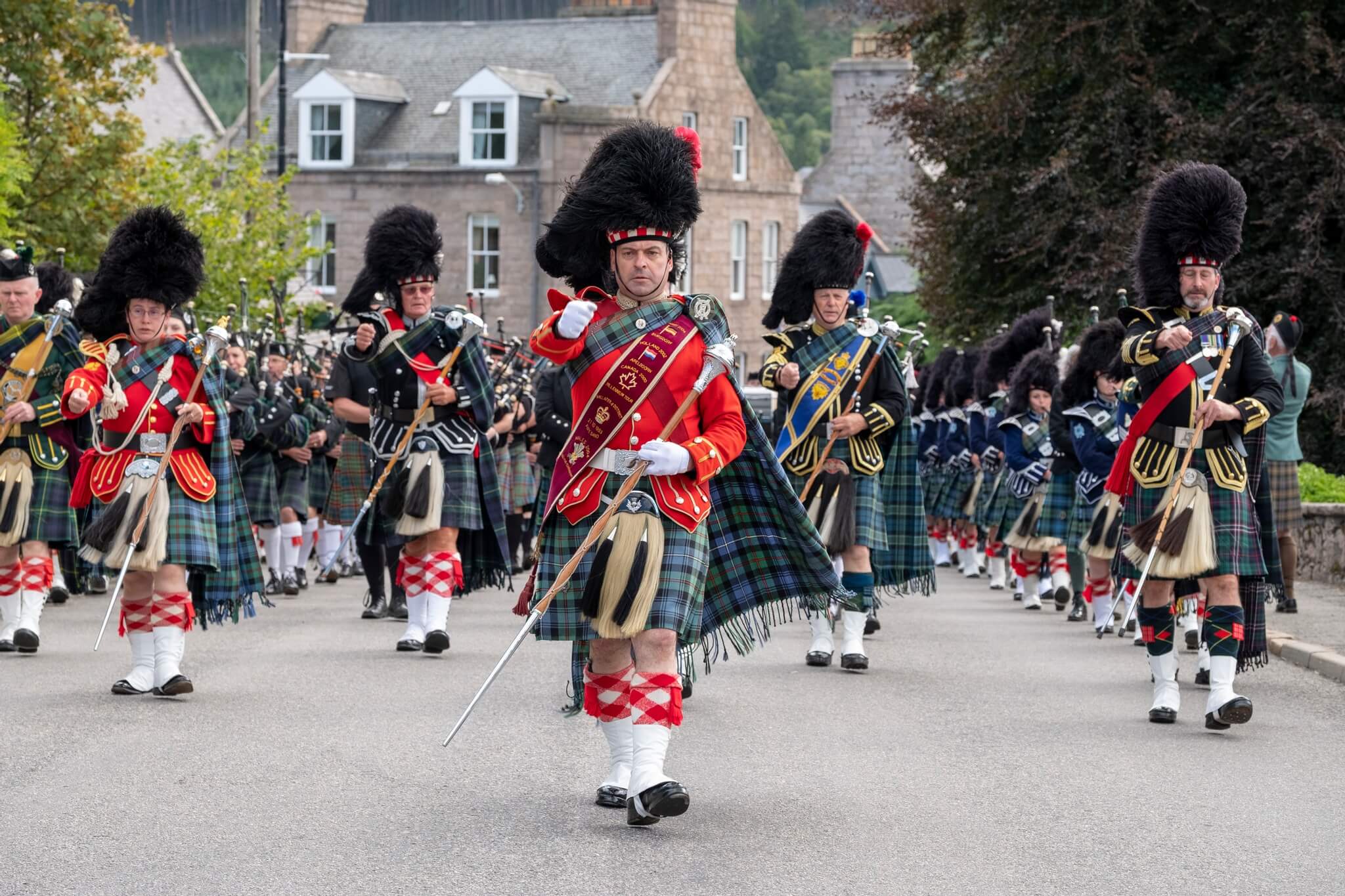
Kilts and tartan
Kilts and tartan are at the heart of Scottish heritage, dating back as early as the 3rd and 4th century. In Scotland, you’ll find lots of mills producing this iconic fabric as well as museums explaining its origins and popularity throughout the years.
Discover the history behind kilts and tartan
Marvellous inventions
Scotland has been the home of many major innovations in its time. At least 101 genius inventions have been recorded! From the telephone by Alexander Graham Bell, the television by John Logie Baird to tasty goodies including Dunlop cheese from Barbara Gilmour, the list goes on.
National Museum of Flight
© VisitScotland / Kenny Lam
Where can I learn about Scotland's history?
Scotland is home to a plethora of museums to help ignite your curiosity with special exhibitions and displays running throughout the year. Head to the National Museum of Scotland in Edinburgh which covers everything from Scottish history and science to popular culture. Discover a world-class collection of aircraft and hear fascinating stories of the people who built them at the National Museum of Flight in East Lothian. Go on an island adventure in Shetland and discover its world-renowned collections through interactive displays at Shetland Museum and Archives. Or visit the Highland Folk Museum, Britain’s first open air museum. You’ll get the chance to step into the shoes of what life was like for a Highlander from the 1700s to the 1950s.