:

  • English
  • Español
  • Italiano
  • Deutsch
  • Nederlands
  • Français
Navigation generated at 2026-2-4 10:22:40
    • All Places to go

      Cities

      • All Cities
      • Aberdeen
      • Dundee
      • Dunfermline
      • Edinburgh
      • Glasgow
      • Inverness
      • Perth
      • Stirling

      Popular Places

      • Ben Nevis
      • Glencoe
      • Loch Lomond
      • Loch Ness

      Towns

      • All Towns
      • Aviemore
      • Dumfries
      • Fort William
      • Kirkwall
      • Lerwick
      • Oban
      • Peebles
      • Pitlochry
      • St Andrews

      Islands

      • All Islands
      • Isle of Arran
      • Isle of Islay
      • Jura
      • Lewis & Harris
      • Mull
      • Orkney
      • Outer Hebrides
      • Shetland
      • Skye

      Regions

      • Aberdeen & Aberdeenshire
      • Argyll & The Isles
      • Ayrshire & Arran
      • Dumfries & Galloway
      • Dundee & Angus
      • Edinburgh & The Lothians
      • Fife
      • Glasgow & Clyde Valley
      • Loch Lomond, Trossachs, Stirling & Forth Valley
      • Highlands
      • Perthshire
      • Scottish Borders
    • All Things to do

      Attractions

      • All Attractions
      • 20 Top Attractions
      • Ancestry
      • Arts & Culture
      • Castles
      • Free Attractions
      • History & Heritage
      • Museums & Galleries
      • Rainy Days
      • TV & Film Locations

      Outdoor Activities

      • All Outdoor Activities
      • Cycling
      • Fishing
      • Golf
      • Horse Riding
      • Mountain Biking
      • Sailing
      • Ski & Snowsports
      • Walking & Hiking
      • Watersports

      Food & Drink

      • All Food & Drink
      • Beer & Breweries
      • Gin Tours & Tastings
      • Whisky & Distilleries

      Landscapes & Nature

      • All Landscapes & Nature
      • Beaches
      • Ben Nevis
      • Lochs
      • National Parks
      • Northern Lights
      • Standing Stones
      • Wildlife Watching

      Tours, Routes & Trails

      • All Tours, Routes & Trails
      • Islands & Island Hopping
      • Itineraries
      • Scotland's UNESCO Trail
      • Tours
      • Walking Trails

      Events

      • All Events
      • Edinburgh's Summer Festivals
      • Highland Games
      • Music Festivals
    • All Accommodation

      Hotels & Lodgings

      • B&Bs & Guesthouses
      • Budget Hotels
      • Hostels
      • Hotels
      • Luxury Hotels
      • Restaurants with Rooms & Inns

      Caravan & Camping

      • All Caravan & Camping
      • Campervan, Motorhome & Caravan Holidays
      • Glamping
      • Wild Camping

      Self Catering

      • All Self Catering
      • Cabins & Lodges
      • Cottages
      • Flats & Apartments
      • Hot Tubs
      • Large Groups

      Unique Places

      • All Unique Places
      • Boats, Barges & Boathouses
      • Brochs & Blackhouses
      • Castles
      • Churches

      Other Accommodation

      • Accessible Accommodation
      • Eco Accommodation
      • Exclusive Use Venues
      • Luxury Accommodation
      • Pet Friendly Accommodation
      • Romantic
      • Wedding Venues
    • All Travel & planning

      Travel to Scotland

      • From England & Wales
      • From Europe
      • From Ireland
      • From North America
      • From Other Continents

      Travel in Scotland

      • Air
      • Bus & Coach
      • Ferry
      • Train

      Driving in Scotland

      • All Driving in Scotland
      • Car Hire
      • Driving Routes
      • Electric Vehicles

      When to visit

      • All When to visit
      • Spring & Easter
      • Summer Breaks
      • Autumn Breaks
      • Winter, Christmas & New Year

      Practical Information

      • Eco-Travel
      • FAQs
      • Holiday Carbon Calculator
      • Passes & Offers
      • Passports & Visas
      • Weather

      Ideas & Advice

      • Outdoor Safety Information
      • Travel Blog
      • Travel Newsletter

      Holiday Types

      • Accessible Holidays
      • Beauty Spots
      • Budget-Friendly Holidays
      • Countryside Breaks
      • Family Holidays
      • Farm Stays
      • Off the Beaten Track Holidays
      • Solo Travel
      • Weekend Breaks
      • Wellness Retreats
  • Map of Scotland

BETA: This map is a new planning feature in active development. VisitScotland is not responsible for the content or accuracy of external links and accepts no liability for any reliance on the map.

Your feedback will help improve it.
  1. Home
  2. Travel & planning
  3. A Guide to midges & ticks in Scotland

A Guide to midges & ticks in Scotland

If you're planning to explore Scotland's stunning landscapes this summer, it's advised to take precautions against attracting midges and other insects. Learn where to expect them and how best to avoid getting bitten.

Wild camping at Glentrool

© Forestry and Land Scotland

Helpful information and resources

Solas Festival

© VisitScotland / Luigi Di Pasquale

Medical advice & midge forecast

Read the official NHS guidance on bites and stings and keep up to date with the midge forecast.

  • Insect bites & stings
  • Midge forecast
  • NHS Inform - Tick bites

FAQS about midges

Camping in Glenshee

What are midges? Small two-winged flies which often form swarms or clouds. There are a number of different species of midge, some of which partly feed off nectar in addition to the blood of animals and sometimes humans.

Which type of midge lives in Scotland? 

The Highland midge. It's found throughout the British isles, northern Europe and even northern China.

Are midges like mosquitos? 

No. While midges might look like mosquitos close up and suck blood, they are not mosquitos and do not spread malaria. 

What do midge bites look like? 

Small red dots which can develop into itchy, painful swellings and even blisters.

Are midge bites serious? 

Midge bites are harmless but if the skin around the bite becomes broken it could become infected.

“

Did you know? Only the female midge bites!

How do midges detect their prey? 

The midge locates its prey by picking up carbon dioxide exhaled into the atmosphere.

Where are the midge hotspots in Scotland? 

The west of the Highlands, islands and parts of the Cairngorms. They are also found in Perthshire and Argyll.

At what time of year are midges most common? 

From May to October.

Where are midges found? 

Midges love humid and damp conditions as well as shady spots. Marshlands, grasslands, forests and woodlands, the banks of rivers, ponds and lochs; all are magnets for midges.

At what time of day are midges most active? 

At dawn or dusk. They also like damp, clammy days with overcast skies and little wind.

Anti midge kits

Friends enjoy a picnic with views of Loch Lomond and the mountains beyond

If you are planning to venture into an area populated with midges preparation is the best defence against getting bitten. Here are simple steps you can take.

  • White or light coloured clothing - midges are drawn to dark colours
  • Repellent (preferably DEET free) - popular brands include Avon Skin So Soft, Mosi-Guard, Mozpro, Jungle Formula and Smidge
  • Bite treatment lotion or cream
  • A net face covering worn over a hat
  • Smoke-emitting burners or coils - be sure to properly extinguish after use

Anti tick kit

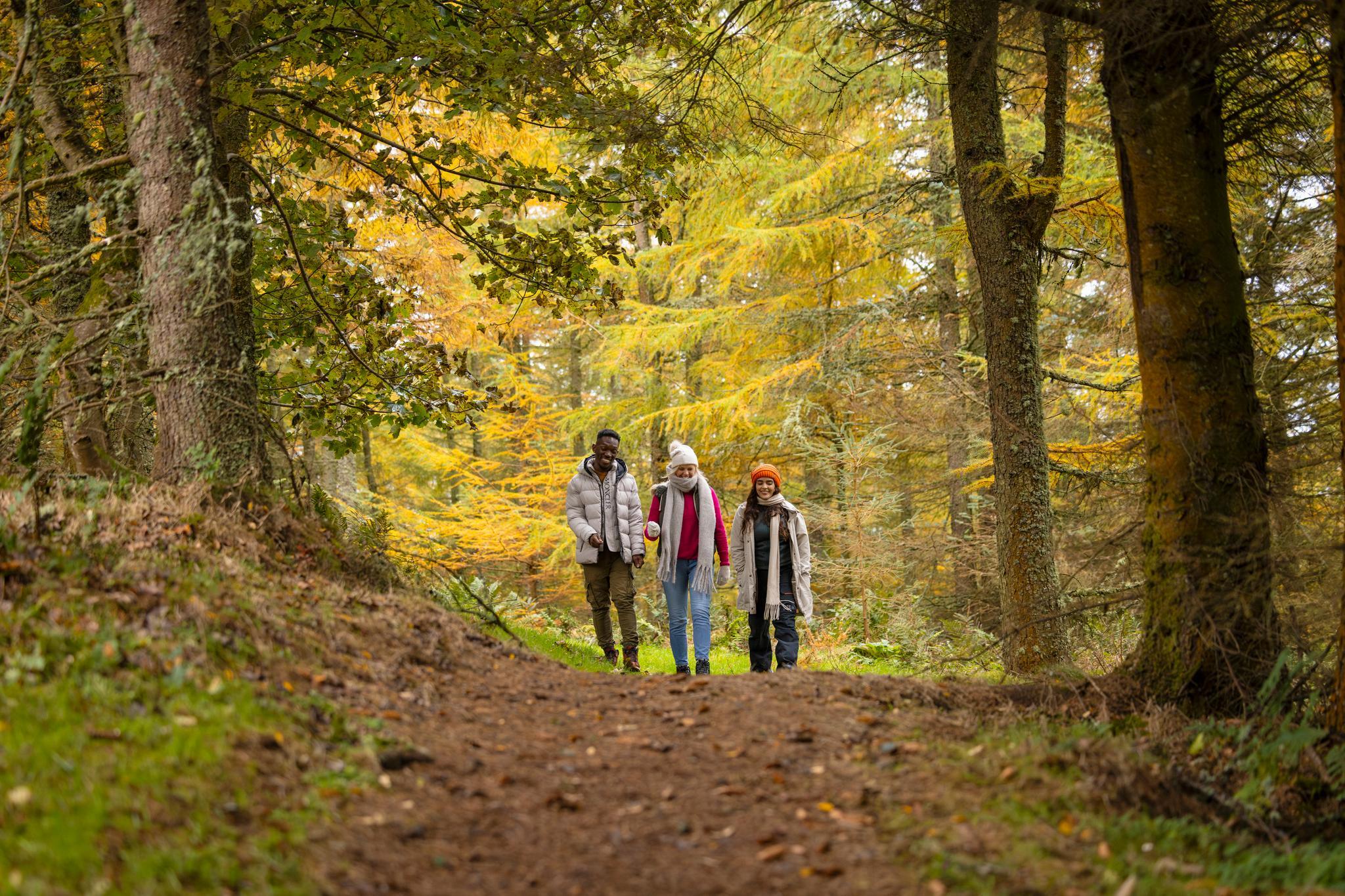
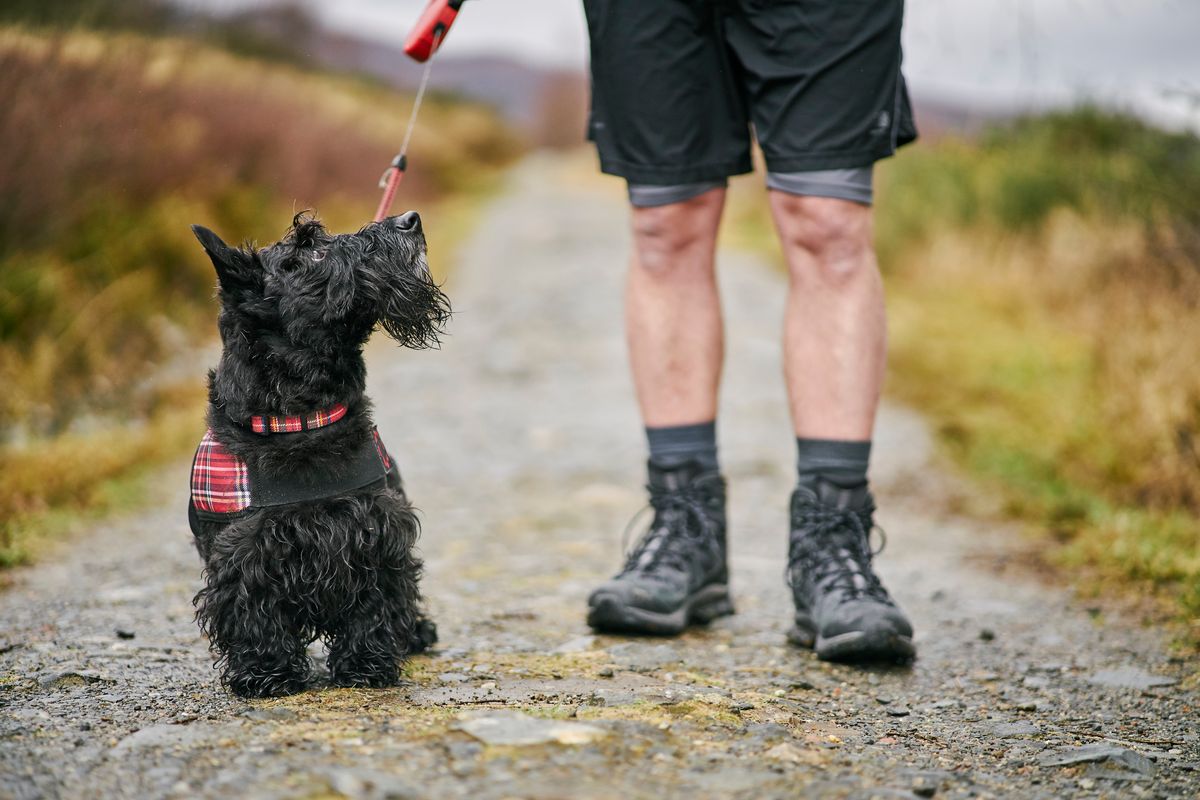
As with midges, there are certain behaviours and pieces of kit that can help you combat tick bites:

  • Stick to footpaths and avoid walking through tall grass or overgrown areas
  • Wear light coloured clothing so ticks are easier to spot
  • Choose trousers made of tough fabric and tuck them into socks
  • Using an insect repellent containing DEET or Picaridin. Trusted brands include Smidge and Trek
  • Check exposed skin at regular intervals while outdoors

Loch Affric viewpoint

© VisitScotland / Kenny Lam

Be Tick Aware

It's also worthwhile taking preventative measures against tick bites, especially while walking and camping. While mostly harmless, tick bites can carry the risk of developing Lyme disease.

What are ticks? 

Ticks are tiny non-winged insects which look a bit like spiders. They feed off the blood of mammals including people.

When is tick season in Scotland? 

May to October but they can be found throughout the year if conditions are damp and the temperature is warm enough. Remember that ticks can survive in temperatures above 4°C (39°F).

How do people and animals come into contact with ticks? 

Ticks attach themselves to mammals when they brush past them on long grasses, plant leaves and other vegetation. Ticks don't fly or jump.

What is the tick's habitat? 

Anywhere with overgrown grass including meadows, moorland, forests and woodlands, and gardens.

What does a tick bite look like? 

A small red bump which may be painless. It can also be itchy, inflamed, blistered or bruised.

Are tick bites dangerous? 

The majority of tick bites are harmless with minor short-lived symptoms. Some tick bites can contain bacteria which can cause serious illnesses, including Lyme Disease.

Where are ticks found in Scotland? 

Ticks are most commonly found in the west Highlands,  the north-west coast and its neighbouring islands.

Learn more about avoiding bugs and germs outdoors.

Read up on how to identify and deal with tick bites.

What to do after a tick bite

If you find a tick attached to your skin, it’s important to remove it safely and monitor the area in the days that follow.

Do:

  • Use fine-tipped tweezers or a tick removal tool to grip the tick as close to the skin as possible
  • Pull upwards slowly and steadily, without twisting
  • Clean the bite area and your hands thoroughly with soap and water or an antiseptic

Don’t:

  • Don't try to burn the tick off
  • Don’t apply petroleum jelly, nail polish, or other substances
  • Avoid squeezing the tick’s body, as this can increase the risk of infection

Watch for symptoms of Lyme disease

After a bite, keep an eye on the area for a few weeks. Most tick bites are harmless, but some can lead to Lyme disease, a bacterial infection that requires medical treatment.

Early symptoms of Lyme disease include:

  • A circular red rash that may look like a bull’s-eye
  • Flu-like symptoms
  • Fever or chills
  • Muscle and joint pain
  • Headaches
  • Neck stiffness
  • Tiredness or fatigue

If you experience any of these symptoms, even several weeks after a bite, seek advice from a healthcare professional as early treatment is important.

Learn more about tick bites at NHS Inform

A group of friends explore Corrie Fee by bicycle. Corrie Fee is a glacier-carved corrie situated at the head of Glen Clova.

Corrie Fee

© VisitScotland / Luigi Di Pasquale

Lyme Disease

Read the official NHS guidance on Lyme Disease and what action to take if you are bitten by a tick.  

  • Lyme Disease

Share on

Facebook
Pinterest
WhatsApp
Twitter
Email

Other things you might like

Category: Travel & planning

Weather in Scotland

Category: Travel & planning

Sustainable & responsible tourism in Scotland

Category: Accommodation

Caravan parks, campsites and holidays in Scotland

Category: Things to do

Walking in Scotland

Category: Travel & planning

Slow travel adventures in Scotland

Category: Things to do

Wellness retreats in Scotland

Join our Newsletter Clan

Get Scotland inspiration direct to your inbox. Don't miss the inside track from our Scotland experts on exciting trip ideas, unique attractions and hidden gems loved by locals.

Get the Scotland newsletter

Get in touch

  • Contact us
  • Feedback & Complaints
  • Submit an event

Our other sites

  • Business Events
  • Business Support Hub
  • Travel Trade
  • Asset library
  • Corporate
  • Scotland is Now

Find us on

Find us on

  • About us
  • Accessibility
  • Acceptable use
  • Cookies
  • Environmental policy
  • Privacy
  • Social media
  • Terms of use
Brand Scotland

© 2026 VisitScotland. All rights reserved.