
Culloden Battlefield
Scottish Clans and Ancestry in Scotland
Ancestral voices are calling you. Whatever you already know about your Scottish heritage, there’s more waiting to be discovered.
Start your ancestral journey
Now’s the time to uncover the history behind a family name, track down your clan and tartan, search centuries of records or journey to the glens, islands and cities your ancestors once called home.
Find your Scottish clan
Start your journey to find the history of your family name, and discover the places, tartans, and rich history connected with Scotland’s clan system.
Trace your family tree
Learn how to search historic records, archives and other family history resources to begin tracing your Scottish genealogy.
Scottish tartan and kilts
Bright colours, bold patterns and distinctive style – tartan is synonymous with Scotland all around the world.
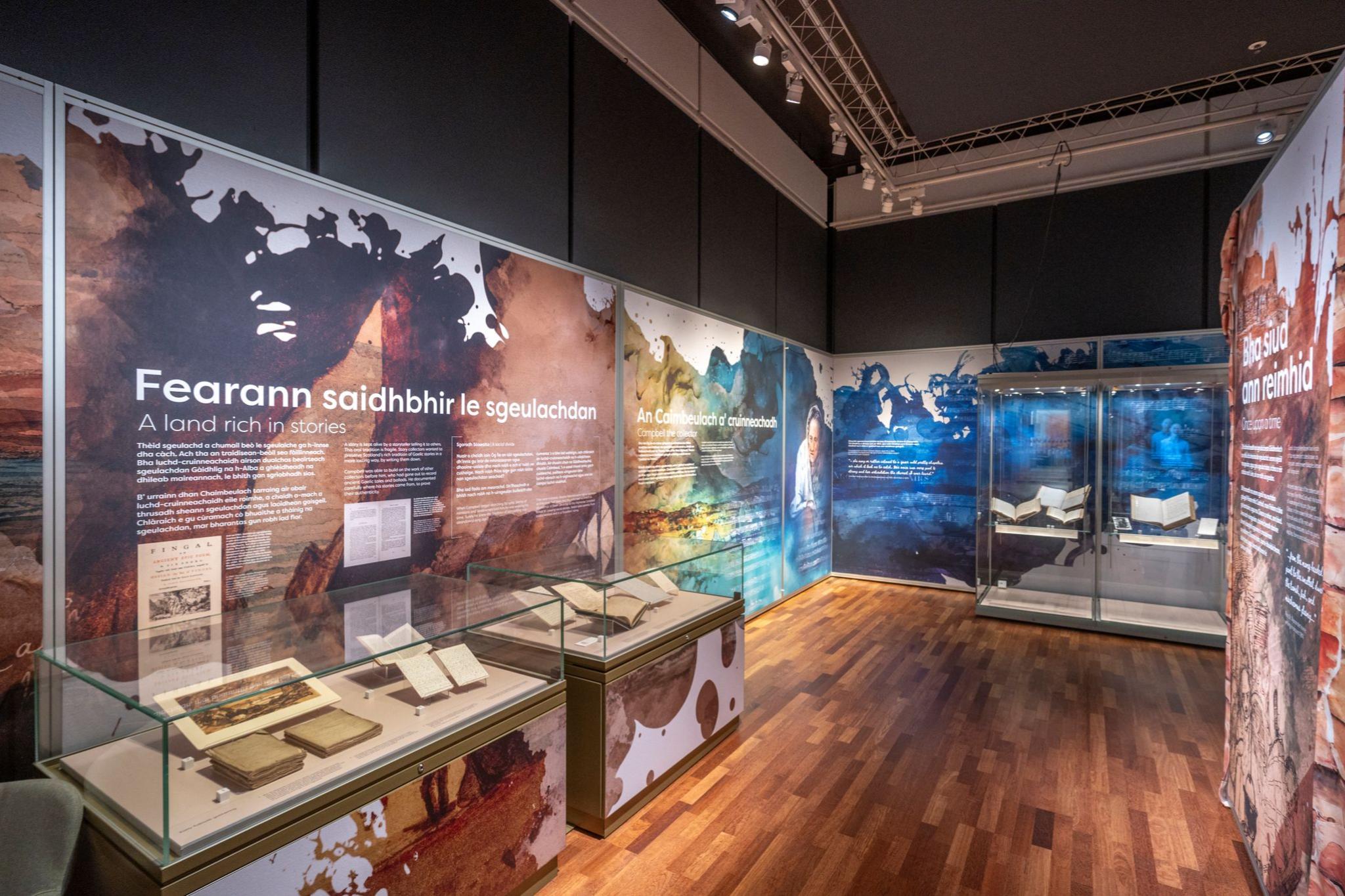
The history of Scottish Gaelic
Discover the history of Scottish Gaelic, one of Scotland’s official languages.
The history of clans in Scotland
What is a clan?
The word clan might come from the Gaelic clann, meaning children or descendants, but in practice it meant much more than a family association. Historically, Scotland’s clans brought people together through the concept of kinship – a shared reliance on the same territories, natural resources, social networks and fealties which were essential for survival, particularly across the Highlands and islands. This would see people adopt the name of a powerful local clan for protection and as a mark of allegiance to the chieftain.
Today, traces of the clan system can still be seen – the rivalries, loyalties and fierce clashes feature in some of the most renowned episodes in Scottish history and continue to inspire contemporary culture, most notably the Outlander novels by Diana Gabaldon and their wildly successful TV adaption.
From powerful clans to the changing Highlands
By the medieval period, clans were firmly established across much of the Highlands and islands. Their story was shaped by shifting alliances, disputes over land and power and later, the Jacobite Risings which culminated in the ill-fated Battle of Culloden in 1746.
The aftermath of Culloden heralded a dramatic political and social upheaval in the Highlands and islands. Over the following century, the Highland Clearances displaced many communities, with Scots leaving their ancestral lands for growing towns and cities or emigrating overseas. This shift effectively brought an end to the clan system.
The headstone of the Clan Mackintosh
Clans today
Scotland’s historic clan system may be gone, but its legacy lives on. Traditional Highland Games still see competitors put their physical prowess to the test in events from the days in which clansmen would seek to impress their chieftain with their strength, skill and speed. In fact, many Games retain strong clan associations, while clan gatherings and societies around the world continue to uphold this shared heritage.
Scotland's clan history
Learn more about the pivotal battle and political movement that sealed the fate of Scotland’s clans, and how the present-day Highland Games keeps the spirit of clan culture alive.
Culloden Battlefield
Visit the powerfully moving site of the final Jacobite Rising – the last and most harrowing pitched battle to be fought on British soil.
The Jacobite Rebellion
From bloody uprisings to tales of heroism, explore the history of the Jacobites in Scotland and where to retrace their footsteps.
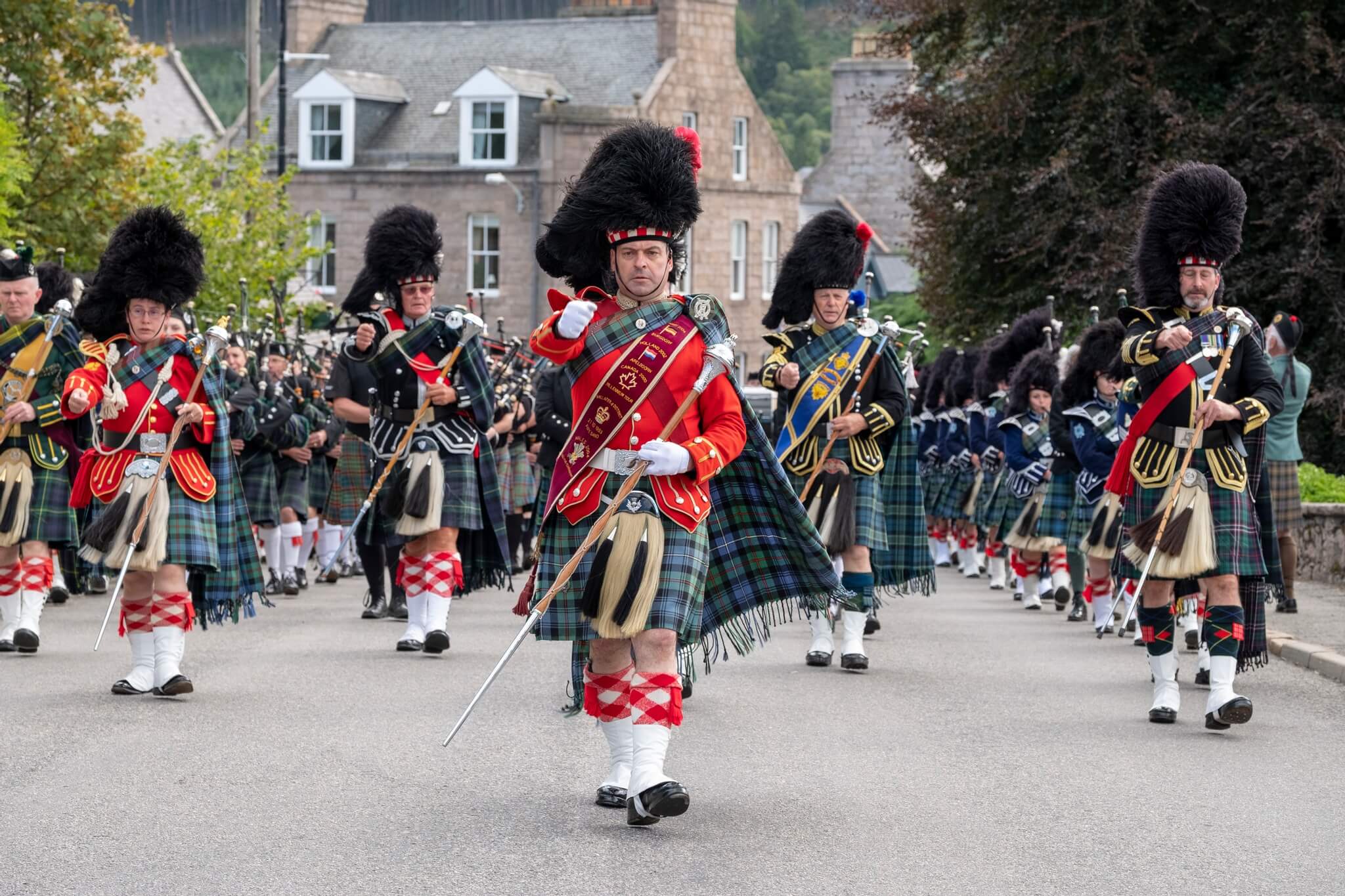
Highland games in Scotland
Follow the sound of massed pipe bands, cheer on world-class athletes and join spectators celebrating one of Scotland's most iconic traditions.
Outlander filming locations in Scotland
Step into the world of Claire and Jamie and discover standing stones, castles, kilts and more.
What's in a Scottish surname?
Quite a bit it turns out. Whether you’re a MacLeod, Campbell, Murray, Lennox or Baxter, a Scottish surname contains a multitude of clues as to lineage, place of origin, language, and even the types of occupations your ancestors might have held.
What’s more, Gaelic, Norse and other linguistic influences have shaped the evolution of Scottish surnames, resulting in considerable variations in spellings and pronunciations over the centuries.
Did you know?
- Clan names can have many spellings. MacNeil, for example, also appears as McNeil, McNeill, MacNeill and other variations.
- Some surnames describe physical features. Cameron derives from Gaelic words meaning “crooked nose”, while Craig comes from creag, meaning “rock” or “crag”.
- Some names reveal where your ancestors lived. Murray, for example, derives from Moray in north-east Scotland.
- Others reveal what they did for a living. Baxter meant baker, Webster weaver and Brewster brewer.
Connect with your Scottish clan
Do you have a Scottish surname or one in your family tree? Research the clan associated with your name, learn about its geographical origins, and discover a global community with a special connection to Scotland.
Join a clan society
There are over 500 clan and family associations registered around the world, who regularly host clan gatherings to celebrate their Scottish heritage.
Search for your clan on the ScotlandShop website
Find your clan on ScotlandShop's website

Check out ScotlandShop's clan map
Find out more about where your ancestors come from
Trace your Scottish family tree
A name on an old certificate can be the beginning of an extraordinary journey. Search birth, marriage and death records, delve into census returns and historic documents, or visit an archive in the area where your family once lived. You never know where your research might lead.
Start your search
- Scotland’s People – search Scotland’s official records for births, marriages, deaths, census returns and more.
- National Records of Scotland – discover archives and resources for researching Scottish people and places.
- Highland Archive Centre – delve into family and local history from across the Highlands.
- Hebrides People – research family connections in the Outer Hebrides.
I came to Scotland feeling like a stranger, but I leave here knowing that this country is part of who I am. And I think my mum would be proud.
- Eugene Levy, The Reluctant Traveller – Scotland: My Mother’s Country on Apple TV