
Loch Maree, with Slioch in the background
Wester Ross Biosphere
Dramatic mountains, rich biodiversity and a strong connection between people and the land are at the heart of this biosphere.
At a glance
- Natur:
5,200 square kilometres of spectacular mountains, forests, waterfalls, seascapes and lochs
- Tierwelt:
White-tailed eagles, otters, seals, whales, pine martens, deer and red squirrels
- Städte & Dörfer:
Achiltibuie, Applecross, Aultbea, Dornie, Gairloch, Kinlochewe, Kyle of Lochalsh, Laide, Lochcarron, Plockton, Poolewe, Shieldaig, Torridon, Ullapool
About the biosphere
Stretching across 5,200 square km in Wester Ross and Lochalsh, the Wester Ross Biosphere is one of the most scenic and most sparsely populated areas of the UK. Ancient Caledonian pine forests, towering mountains and coastlines teeming with wildlife sit alongside centuries-old crofting communities. Gaelic heritage plays an important role here, from place names and traditions to the concept of ‘dùthchas’ – a deep sense of belonging between people and the land they live in.
Walk scenic mountain trails, spot native wildlife, uncover rich and sometimes surprising stories in museums and heritage sites, and experience a living landscape where communities, culture and nature continue to thrive side by side.
Highlights in Wester Ross
Discover the experiences that bring the Wester Ross Biosphere to life, from guided walks and wildlife encounters on land and sea to local history, Gaelic heritage and traditions celebrated by its communities.
Walking
From the ancient Caledonian pine forests of Beinn Eighe to the Falls of Measach plunging into Corrieshalloch Gorge, guided walks bring the landscapes, wildlife and stories of the biosphere to life.
Find your local guide to the biosphere
Beinn Eighe, Torridon
Traditions
Gaelic heritage and traditions remain an important part of life in the Wester Ross Biosphere. Join a ceilidh in Poolewe, enjoy a Gaelic lunch at Gairloch Museum, or discover crofting traditions at Balmacara Estate and Duirinish.
Find out more about crofting culture at Balmacara Estate
Duirinish crofting village
Museums
Discover the stories of the Wester Ross Biosphere in its local museums. Explore crofting heritage at Gairloch Museum, maritime history in Ullapool or visit the Arctic Convoy Museum in Aultbea to uncover Loch Ewe's role in a daring WWII operation.
Discover the rich history of the region
Gairloch Museum
Gardens & woodland
Discover a gentler side to the biosphere at Attadale, Inverewe, and Lael Forest, or explore the restored Victorian arboretum at Leckmelm, where exotic plants thrive in the mild west coast climate.
Find more information about forests and woodland in the biosphere | PDF 2MB
Attadale Gardens, Wester Ross
The Wester Ross Biosphere by area
Each community within the biosphere has its own character. Explore the areas below to discover the different landscapes, stories and experiences across this corner of the Highlands.
Gairloch – a scenic village combining coastal scenery and local culture. Visit Gairloch Museum, the community-led GALE Centre or spot marine wildlife on a boat trip.
Ullapool – a lively fishing village at the shores of Loch Broom and ‘gateway to the Outer Hebrides’.
Kinlochewe – this small village at the shores of Loch Torridon is surrounded by towering mountains, glistening lochs and stunning scenery.
Plockton – this idyllic spot with its sheltered bays and crofting tradition is often described as the ‘Jewel of the Highlands’.
Glenelg – twinned with Mars, Glenelg offers unexpected stories. Arrive on the last seafaring turntable ferry, explore ancient Iron Age brochs, and drive across the Ratagan Pass with views towards the Five Sisters of Kintail.
Ullapool, Highlands
Nearby regions
Find out more about the regions surrounding the Wester Ross Biosphere and extend your trip. From a few days exploring Inverness and Loch Ness to a week on the beautiful Isle of Skye or elsewhere in the Highlands, there is plenty more to discover nearby.
Inverness
Discover Inverness, our capital of the Highlands, with scenic riverside walks, historic sights and a warm local atmosphere.
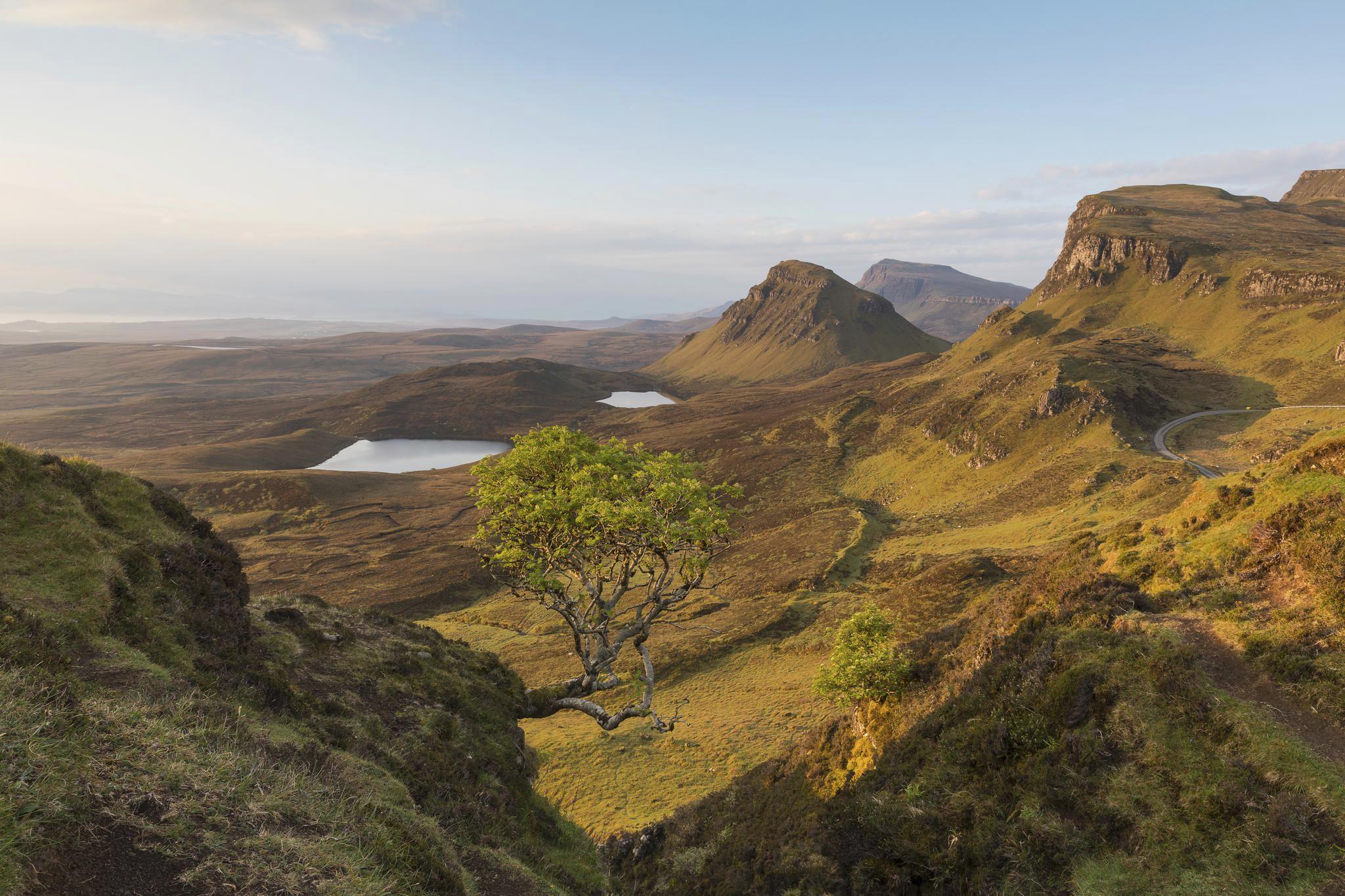
Isle of Skye
With rugged mountains, sweeping coastal views, rich clan history and unforgettable wildlife experiences, the ‘Misty Isle’ is sure to captivate you.
The Scottish Highlands
Green valleys, vibrant culture, towering mountains, historic castles and peaceful lochs: the Highlands is the Scotland of your imagination.
Plan your trip to Wester Ross Biosphere
The Wester Ross Biosphere is located in the northwest Highlands. Despite its remote location, it is still perfectly accessible to travel to and explore.
Getting there
Zug
You can travel by train to Inverness from major destinations such as London, Glasgow, Edinburgh and Aberdeen. From Inverness, you can travel into the biosphere on the Kyle Line, with several stops along the way.
Auto
Bus & Reisebus
Accessibility
Accessible attractions and visitor experiences can be found throughout the biosphere, helping more people discover its landscapes and history. Check for accessibility information with local providers when booking your stay. The charities AccessAble and Euan’s Guide provide more information to help you plan your accessible holiday or day out.