
Scott's View, near Melrose
Weather in Scotland
What to expect from Scotland’s weather, along with inspiration for things to do whatever the forecast brings.
Planning around the weather
Scotland’s weather can vary noticeably from region to region, particularly between the coast, islands, cities and mountain areas, and generally west to east. Before setting off, it’s always worth checking the local forecast for your destination, especially if you’re planning outdoor activities or travelling to more remote parts of the country.
The weather is also part of what gives Scotland its special character. You'll stop in your tracks to marvel at the sea mist rolling in across island beaches, pause for a magical golden moment as the evening light hits the Highlands, or take in a cold breath of crisp winter air beneath star-filled dark skies.
Check the latest forecast for destinations including:
- Edinburgh forecast – where moody skies, passing light and long summer twilight add to the atmosphere of the city’s historic streets, festivals and skyline views.
- Aviemore forecast – essential for planning walks, mountain biking and loch-side adventures in the ever-changing landscapes of the Cairngorms National Park.
- Fort William forecast – consult carefully before exploring Ben Nevis and the west Highlands, where shifting clouds, fresh mountain air and dramatic scenery are all part of the experience.
- Dundee forecast – often one of Scotland’s sunnier cities, with bright coastal weather well suited to waterfront walks, beaches and discovering the wider east coast.
- Stornoway forecast – a fantastic base for island adventures across the Outer Hebrides, where Atlantic skies, shifting light and turquoise seas create some of the most striking coastal scenery you'll see.
- Dumfries forecast – ideal for enjoying forest walks, peaceful coastal escapes and dark sky experiences on chill winter nights in one of Scotland’s quieter regions.
Spring in Scotland (March – May)
You can expect average maximum temperatures to range from approximately 8–13°C (46–55°F) during the months of March, April and May.
Crisp spring days
Spring is a delightful time to visit Scotland. Take a walk through gardens, fields and forests to see the first snowdrops, bluebells, cherry blossom and rhododendrons bursting into bloom. Keep your eyes peeled for our wildlife, as it becomes more active. With days gradually grow longer, and milder weather, it's the perfect season for a walk, cycle or even watersports on one of our rivers - before it gets too wild!
Even if you experience an April shower or two, there are plenty of indoor attractions to enjoy.
Spring things to do
Countryside breaks in Scotland
Leave the bustle behind, breathe crisp fresh air, watch the changing seasons unfold, and get lost in nature on a Scottish countryside break.
Wildlife in Scotland
Spot Scotland’s wildlife wonders, from dolphins offshore to glimpse of red squirrels in trees and watch puffins nestling along the cliffs.

Rainy day & indoor activities in Scotland
Find plenty of ways to make the most of Scotland indoors on a 'dreich' day.
Summer in Scotland (June – August)
June, July and August are normally the warmest months in Scotland, with average maximum temperatures around 17°C (63°F).
Long summer nights
Scotland’s northern location means summer days are wonderfully long, with daylight stretching well into the evening. In the far north, witness the magic of the sky never becoming fully dark at midsummer, giving you even more time to enjoy the great Scottish outdoors. In fact, at the height of summer, Lerwick in Shetland has about four hours more daylight at midsummer than London!
Warm weather and extended daylight hours make summer ideal for taking the ferry to islands like Mull, getting a Scottish ice cream at the beach, or dancing the long night away at a music festival.
Summer things to do
9 Beautiful beaches in Scotland
Long stretches of white sand, peaceful island coves, pebbled shores and dramatic surf, discover the Scottish coast.

Scotland's National Parks
Venture into the wild heart of Scotland, where ancient landscapes, wild beauty and unforgettable adventures await.
Harbour & seaside towns and villages in Scotland
A day by the sea is sometimes all you need. Watch the waves roll up on the sandy beach of Cullen or see fishermen landing their catch in Anstruther.
Scottish music festivals
Dance to the rhythm of fiddles in grand music halls and feel the bass rippling across festival fields right across Scotland.
Autumn in Scotland (September – November)
In autumn, Scotland is likely to experience temperatures ranging from around 8–15°C (46–59°F) from September to November.
Amazing autumn colours
Autumn brings the brightest shades of red, orange and gold that you'll see in Scotland’s forests, parks and glens. Cooler air and quieter landscapes make this a wonderful season for enjoying culture in our cities and historic towns, before relaxing in the evening in cosy accommodation.
As the days become shorter and the evenings draw in, autumn is a great time for cabins with hot tubs, trying delicious seasonal food and drink experiences, and catching spectacular sunsets and starry skies.
Autumn things to do
Scottish forests and woodlands
Wander among ancient trees and follow peaceful trails to spectacular landscapes and wildlife.
Mountain biking in Scotland
Speed through forest trails and feel the rush of mountain biking as every twist and turn brings a new thrilling adventure.
Seasonal food calendar
From sweet berries and fresh seafood to rich autumn game and hearty winter vegetables, here's Scotland's seasonal food.
City breaks in Scotland
Get to know Scotland on a city break, from our biggest city Glasgow to our newest city, Dunfermline.
Winter in Scotland (December – February)
December, January and February are generally the coldest months in Scotland, with the average maximum temperature usually around 6°C (43°F).
Dreamy winter landscapes
Scotland's winter weather can be mixed - there might be snow up on the mountains allowing for incredible snowsports experiences, but down in the central belt, it might be sunny, windy and rainy - all in the same day!
The average number of days with snow falling in Scotland ranges from 10–20 days. However, the peaks and mountains of the Highlands experience heavier snowfall. The snowsports season varies each year but generally runs from November to April at Scotland’s five ski centres.
Winter is the perfect time for our dark sky parks, towns and islands, and our winter festivals. Choose between St Andrew's Day, Christmas, Hogmanay and Burns Night for toe-tapping ceilidhs, community get togethers, Scottish music and more.
Winter things to do
Snowboarding & skiing in Scotland
Slice through fresh powder snow and experience the thrill of cutting your own path down Scotland’s dramatic mountainsides.
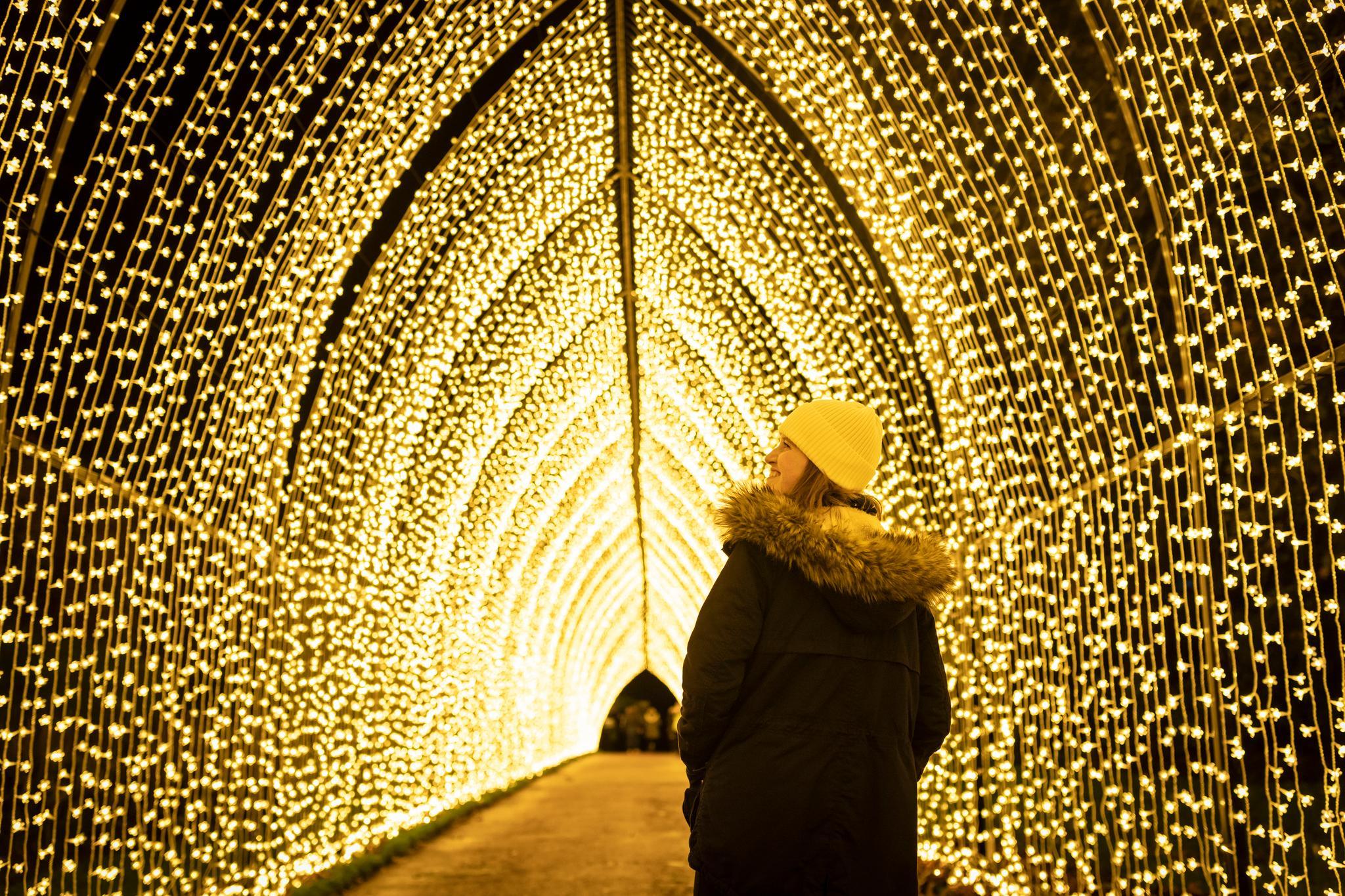
Christmas events and winter festivals in Scotland
Enjoy glittering city lights and the smell of spice in the air. Be part of Scotland’s community at these Christmas events and festivals.
Dark sky parks & stargazing in Scotland
Discover spectacular dark sky parks for stargazing in Scotland. Including a stargazing toolkit, best time of year for stargazing, and more.
Luxury holidays and breaks in Scotland
Plan your luxury getaway in Scotland, from sumptuous accommodation to Michelin-star dining.