:

BETA: Il nostro sito è in fase di aggiornamento per offrirti un'esperienza migliore.
Il tuo feedback ci aiuta a migliorare.
    • Isole
    • Parchi nazionali
    • Vedi Luoghi da visitare
    • Attrazioni
    • Eventi e festival
    • Cibi e bevande
    • Tour
    • Vedi Cose da fare
    • Quando visitare la Scozia
    • Vedi Viaggi e pianificazione
    • English
    • Español
    • Italiano
    • Deutsch
    • Nederlands
    • Français
  1. Home
  2. Cose da fare

Scottish Culture and History

Uncover the heart of Scotland, where history echoes through clans and castles, archaic standing stones and lyrical Gaelic language.

Discover the history and culture of Scotland

Scotland has a rich culture with a fascinating history. Feel the breeze move through the battlements of medieval fortresses, uncover the mystery of stone circles, or get inspired by our myths, legends and Gaelic language.  

Castles

7 Standing stones in Scotland

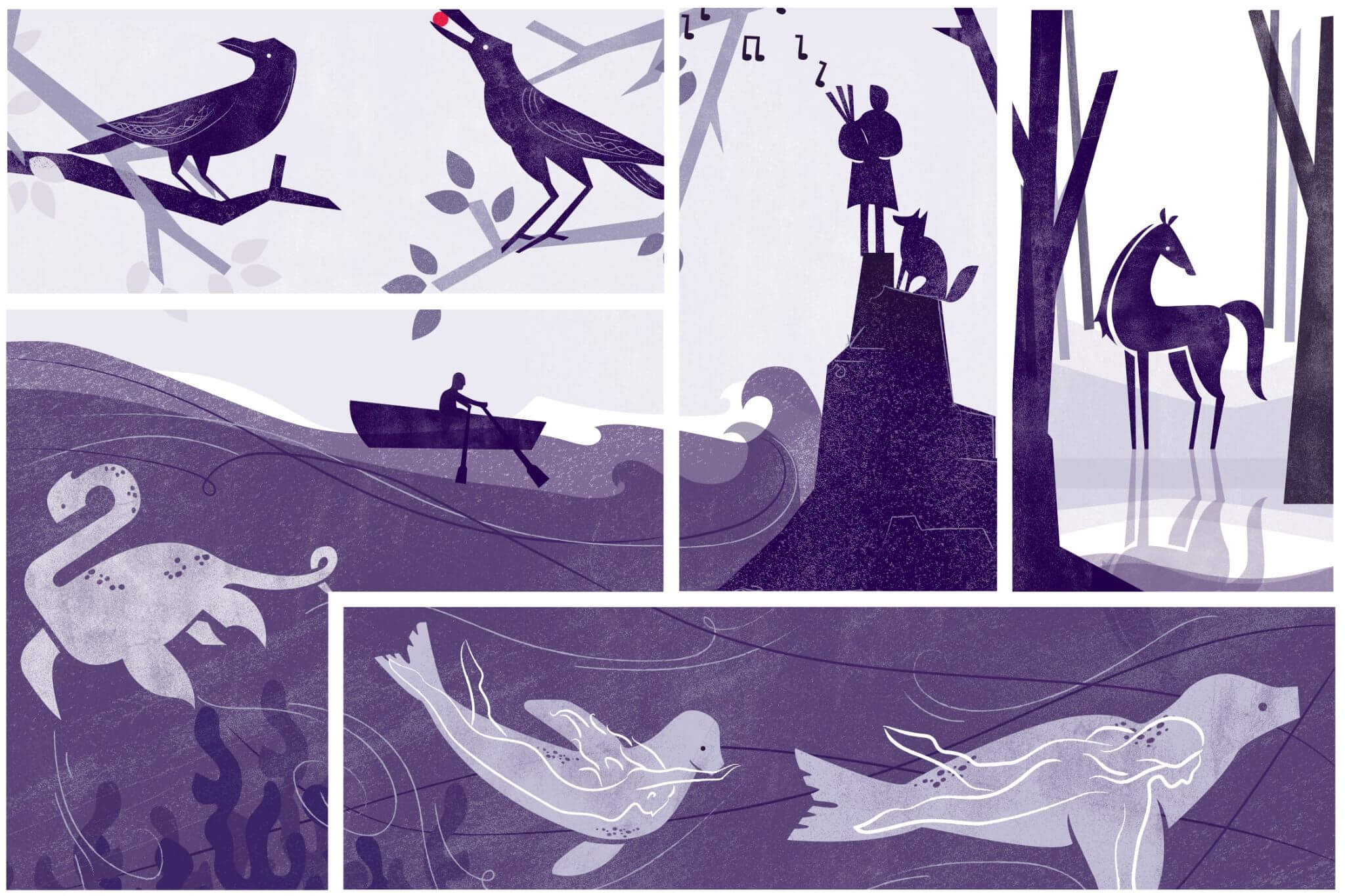
Discover Scottish myths and legends

Scottish Clans and Ancestry in Scotland

The Jacobite Rebellion

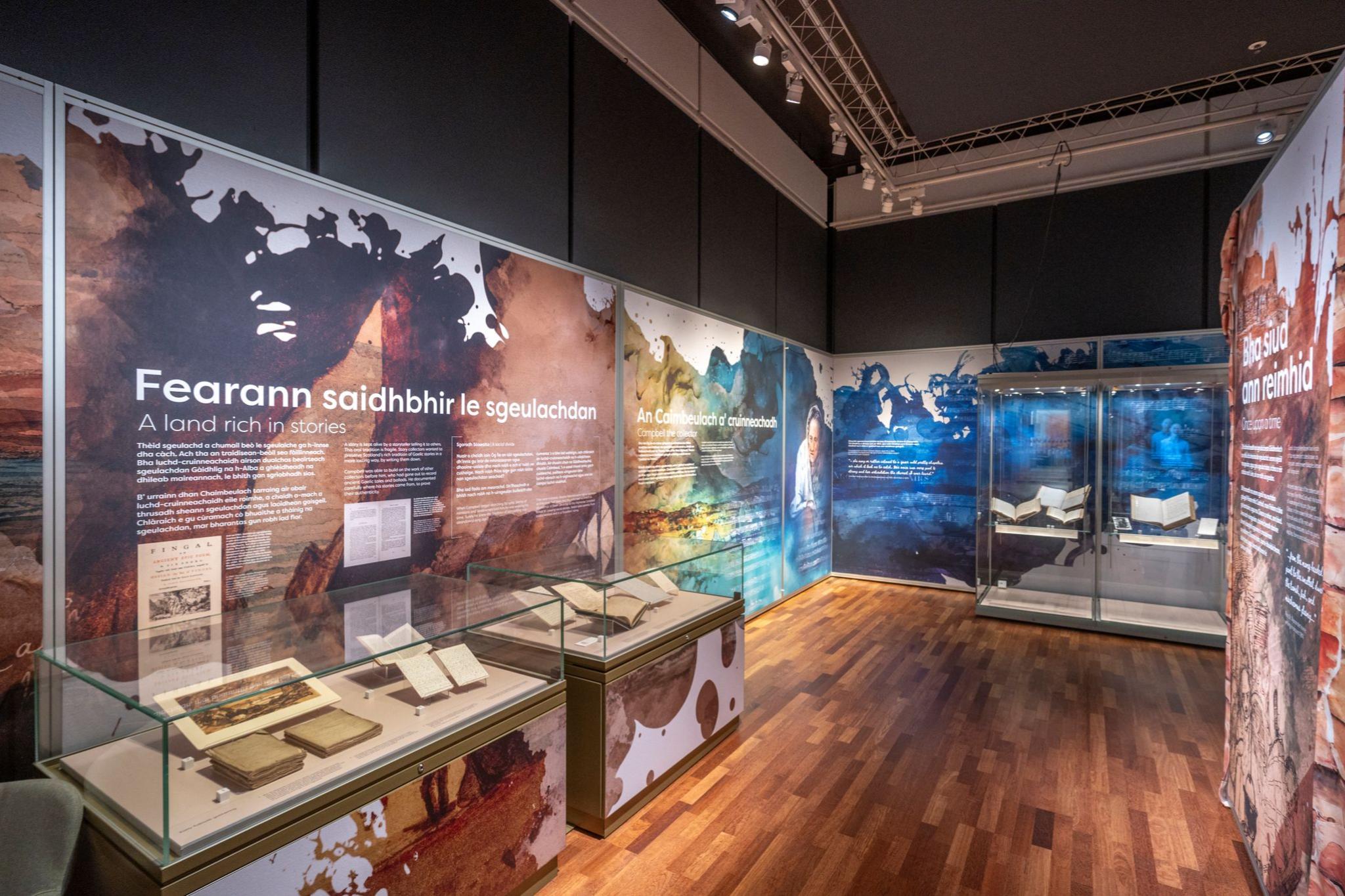
The history of Scottish Gaelic

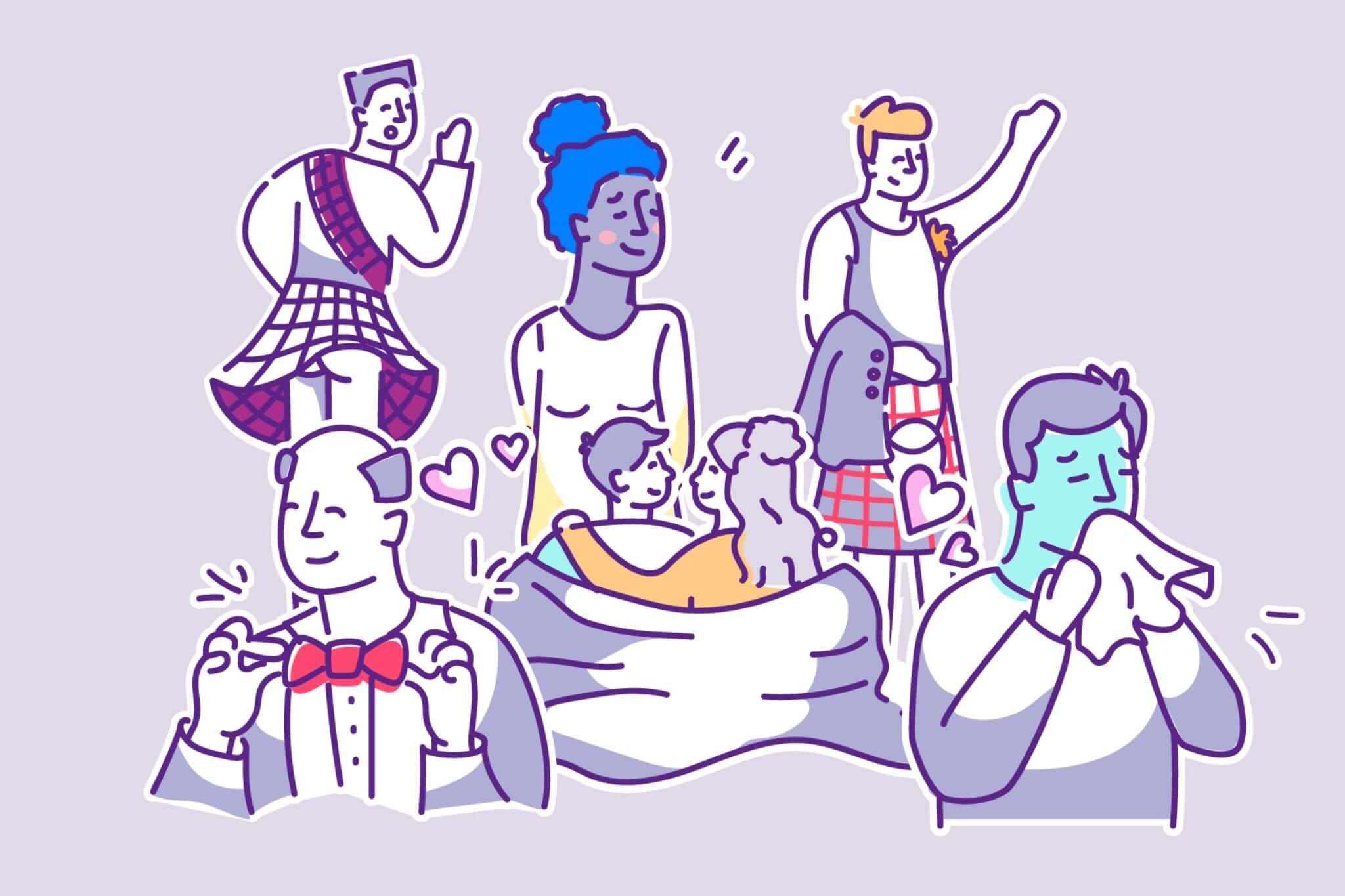
Scottish tartan and kilts

18 Braw Scottish words & their meanings

Scotland's top 10 Scots poems for Burns Night

10 Scottish surnames & their clan history

10 Tricky Scottish place names and how to pronounce them

Historical attractions to add to your list

Add these cultural gems to your list of places to visit in Scotland to dive deep into our stories, culture and history.

For ancient Scottish history  

Antonine Wall, Central Scotland – explore ancient ground at this 37-mile-long barrier, once the Roman Empire’s most northerly frontier. Built on the orders of the Emperor Antoninus Pius in AD 142, its main purpose was to control trade and protect against Caledonian tribes. Now a UNESCO World Heritage Site, you’ll find lots of sculptures and interactive exhibits that help you imagine what life might have been like for Scots in those days.

Aurelius’ - Roman Head Sculpture by the Antonine Wall

Scultura di una testa romana al Vallo Antonino, Kirkintilloch

For myths and legends  

Crathes Castle, Aberdeenshire – legend has it that you’ll hear things go bump in the night at Crathes Castle. Walk through the grand halls of the Burnett family, famously haunted by the ghost of the ‘Green Lady’, who appears surrounded by green mist and is often seen next to a fireplace carrying a young baby.  

Find more Scottish castles

Castello di Crathes, Banchory

For Scottish clans and battles  

Culloden Battlefield, Scottish Highlands – Culloden gives you the chance to soak up the atmosphere of one of the most important parts of Scottish history. The Jacobite Rebellion of 1745 saw the demise of Bonnie Prince Charlie’s army where they tried to reclaim the British throne for the House of Stuart. The final battle took place on April 1746 against the Duke of Cumberland and his redcoats at Culloden, near Inverness.  

Learn about the history of the Jacobites

Il campo di battaglia di Culloden, Inverness

For textile heritage  

The Harris Tweed Trail, Lewis and Harris, Outer Hebrides – aside from tartan, Harris Tweed is another popular Scottish fabric, handwoven in the Western Isles. Attractions including the Harris Tweed Story Room, which offer tours telling the story of fabric from the very beginning right through to the present day. Hear the noise of the loom and see the skill involved in live demonstrations of the weavers in action.  

Harris Tweed

Museums and galleries

Find your culture fix and search for all our museums and galleries across Scotland with this handy map.

Check out the museums and galleries map

Experience Scottish culture

Feel the thrum of energy at a live festival, step into the dramatic scenery from your favourite Scottish film or get to know what Scottish culture is about through our seasonal and local foodie delights.

Events and festivals in Scotland

Scotland’s events vibrate with energy – live sports, electrifying music and dance, and toasts that honour our legendary national icons.
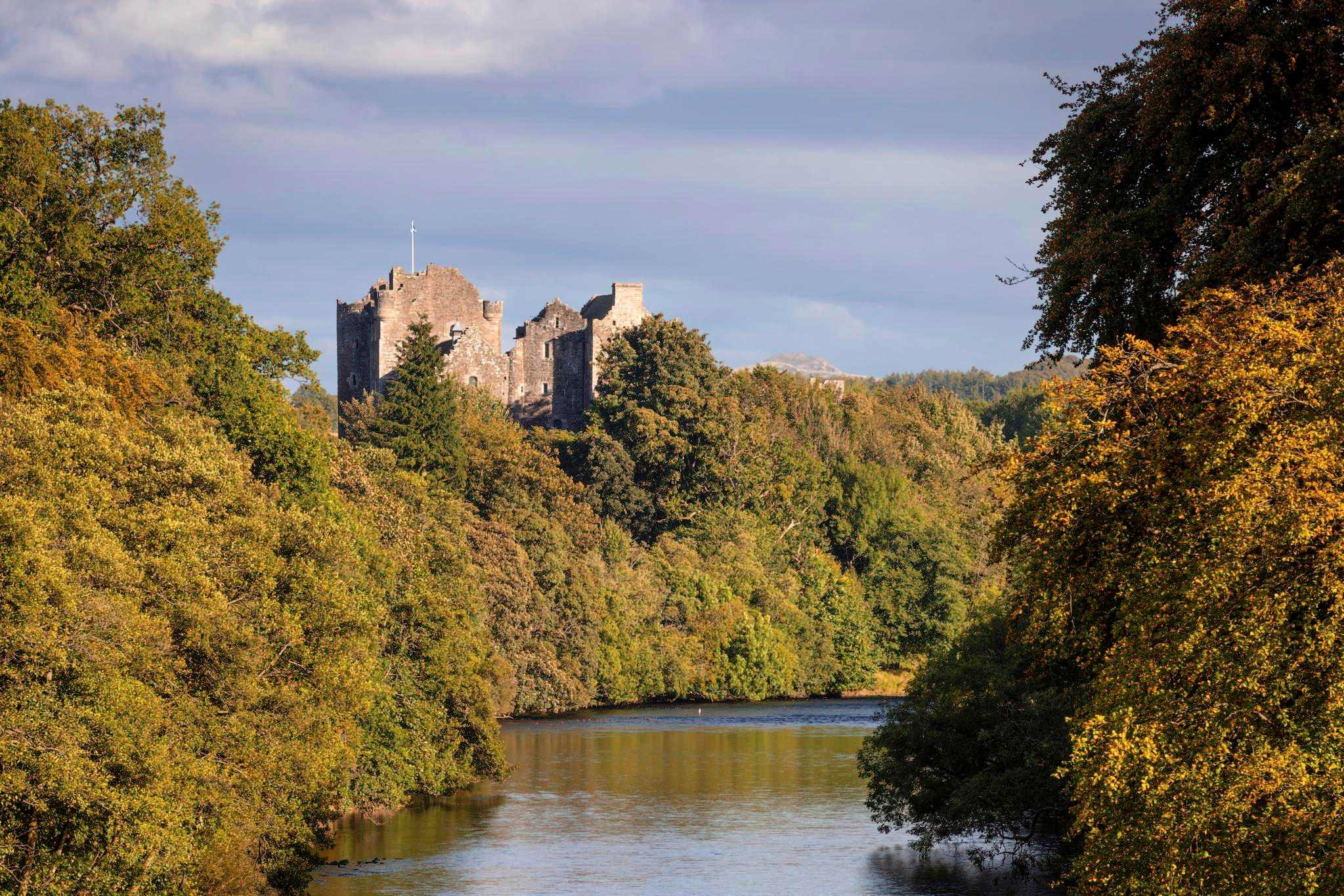
Films & TV Shows Set in Scotland

Visit the locations of your favourite tv shows and films set in Scotland.
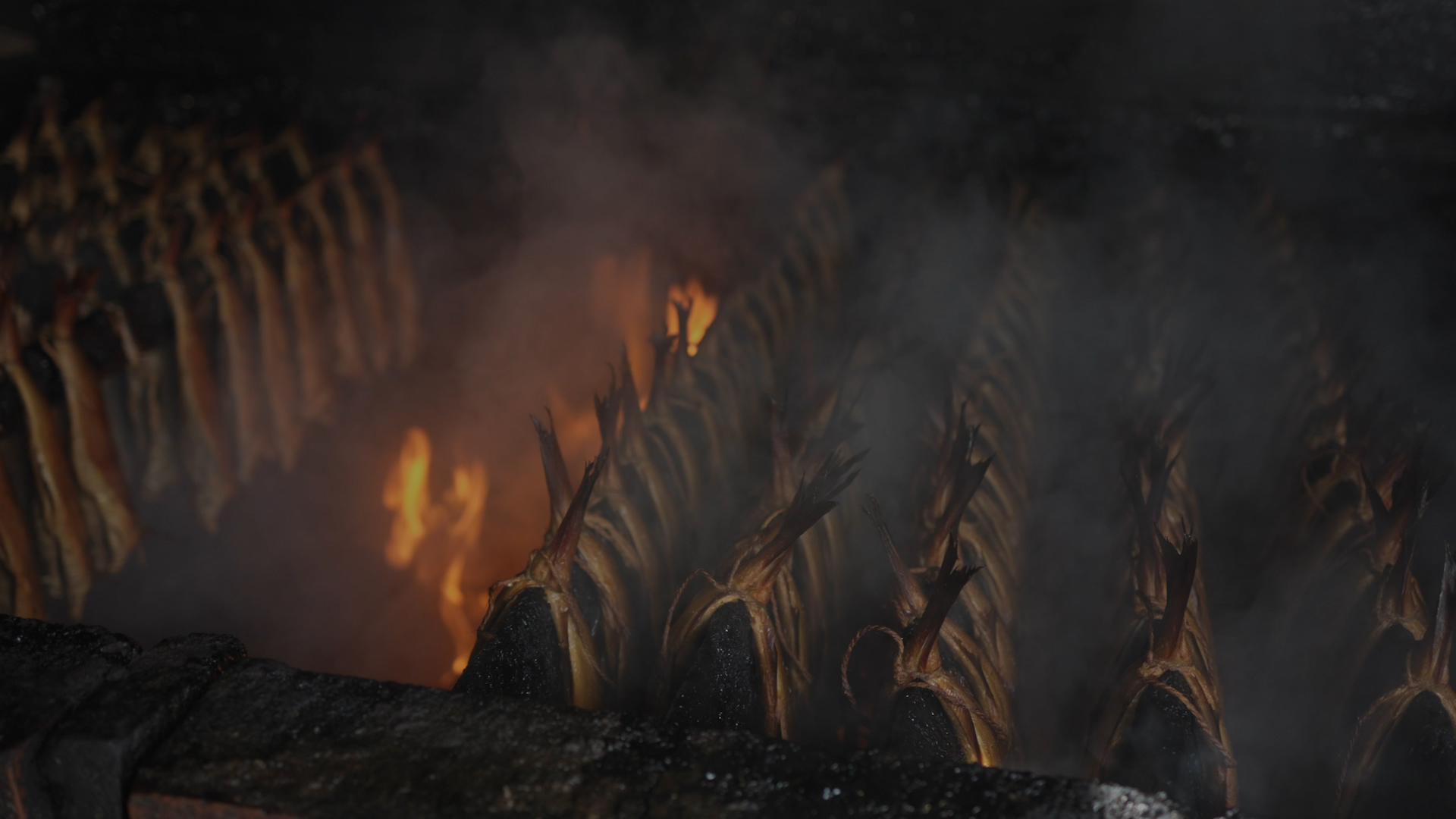
Scottish food and drink

Discover why Scotland’s food and drink is celebrated around the world.

Scotland's UNESCO trail

There are seven UNESCO World Heritage Sites you can visit across the country. Watch the mists roll across the ancient frontier of the Roman Empire, walk amidst Neolithic stones or take a train journey across the Forth Bridge.  

Discover UNESCO

Famous Scots

Find out more about the Scots who have helped shape Scotland’s historical, architectural and literary scene. 

Mary Queen of Scots

Follow the twists and turns of one of Scotland’s most charismatic queens.

Robert Burns & Burns Night

Get inspired by Scotland’s most celebrated poet and celebrate his life and legacy for Burns Night each year on 25 January.

Charles Rennie Mackintosh

Scotland’s most celebrated architect and designer of the 20th century, celebrated around the world.

Your historic photos of Scotland

Get inspired by those who have gone before you and share your images by tagging @VisitScotland.

JavaScript deve essere abilitato per vedere le immagini dei social media. Puoi attivarlo nelle impostazioni del tuo browser.

FAQs

Scotland is filled to the brim with fascinating facts and stories to tell – there might even be some that surprise you.  

What is Scotland’s national animal?

The unicorn – yes, you read that right! This mythical creature has been linked to Scotland for many centuries. First used in the 12th century on the Scottish royal coat of arms by William I, the unicorn symbolises purity and innocence, as well as masculinity and power in Celtic mythology. 

While the unicorn is mythological, its strong attributes make it the perfect fit to be Scotland’s national animal. When Scotland and England unified under the reign of James VI of Scotland in 1603, the Scottish Royal Arms had two unicorns supporting a shield. When James VI became James I of England and Ireland, he replaced the unicorn on the left of the shield with the national animal of England, the lion, to show that the countries were united. Today, you can go unicorn-spotting at iconic attractions including St Giles’ Cathedral in Edinburgh and at Delgatie Castle, one of the oldest and most historic castles in Scotland.  


What is Scotland’s national flower?

Scotland’s national flower is the thistle. The origins of how this purple thistle became an emblem of Scotland remain a mystery. Legend has it that a sleeping party of Scots warriors were saved from ambush by an invading Norse army when one of the enemies stepped on the spiky plant. His anguished cry awoke the warriors who then defeated the invaders and adopted the thistle as their national emblem. If you're visiting Scotland, you'll find the thistle across many of our gardens, parks and countryside. 


What is the flag of Scotland called?

The Saltire, which is believed to be the oldest flag in Europe. The Saltire is instantly recognisable with its blue flag and white diagonal cross. It can be seen flying in the crowds of many international events, festivals and sporting events, as well as on churches and national and local government buildings. 


Who is the patron saint of Scotland?

St Andrew became the patron saint of Scotland shortly after Scotland gained independence from England in 1320 (The Declaration of Arbroath) and held status with the Church to gain protection against the attempts of English kings to conquer the Scots. Legend has it that in the ninth century, the Pictish King, Angus mac Fergus, adopted St Andrew as the patron saint after The Battle at Athelstaneford in AD 832. This involved an army of Picts and Scots under King Angus who invaded the Lothians, which was still Northumbrian territory at the time. The king vowed that if, with St Andrew’s help he won, he would make him the patron saint of Scotland after seeing The Saltire appear in the sky. The rest, as they say, is history. 

Here in Scotland, St Andrew's Day is celebrated on 30 November. It's a great opportunity to celebrate Scotland's rich culture, with exciting events ranging from live music and ceilidhs to food festivals and community gatherings. 


What languages are spoken in Scotland?

In Scotland, there are four main languages. They are English, Scots, Scottish Gaelic and British Sign Language, which have helped to shape our rich and vibrant culture. The people of the north east also have Doric, the regional dialect spoken in Aberdeen and its surrounding areas.  

Scottish Gaelic is mostly spoken within the Highland & Islands communities and features heavily within our road signs and place names when travelling further north of the country. In the lowlands of Scotland, Scots was the adopted language and is officially recognised as a regional language by the UK government. 

18 Braw Scottish Words and Phrases


What inventions are Scottish?

Scots are an inventive and innovative bunch! From telephones to televisions, pedal bikes to pneumatic tyres, find out more about the inventors and inventions that have their origins in Scotland. 

8 Revolutionary Scottish Inventions and Inventors


When is the best time to experience Scotland’s culture?

Scotland is known for its year-round hospitality. Watch the colours of spectacular fireworks shoot across the sky at Hogmanay or tuck into a Burns Night feast in the winter months. In the summer, the Edinburgh Festivals bring a wave of entertainment, arts and culture famous across the globe.  

Find out what’s happening when you visit Scotland


Condividi su

Facebook
Pinterest
WhatsApp
Twitter
Email

Altre cose che ti potrebbero interessare

Iscriviti alla nostra newsletter

Ricevi racconti e consigli interessanti da chi conosce meglio la Scozia: gli esperti! Con viaggi indimenticabili, idee per le tue vacanze e destinazioni da non perdere, la tua prossima avventura inizierà nel momento stesso in cui le nostre ispirazioni di viaggio arriveranno nella tua casella di posta.

Iscriviti alla newsletter sulla Scozia

Mettiti in contatto

  • Contattaci
  • Feedback e reclami

Altri nostri siti

  • Eventi Aziendali
  • Business Support Hub
  • Industria turistica
  • Banca dati multimediale
  • Aziendale
  • Brand Scotland

Trovaci su

Trovaci su

  • Chi siamo
  • Accessibilità
  • Linee guida per l'uso
  • Cookies
  • Politica ambientale
  • Privacy
  • Social media
  • Condizioni d’uso
Brand Scotland

© 2026 VisitScotland. All rights reserved.