
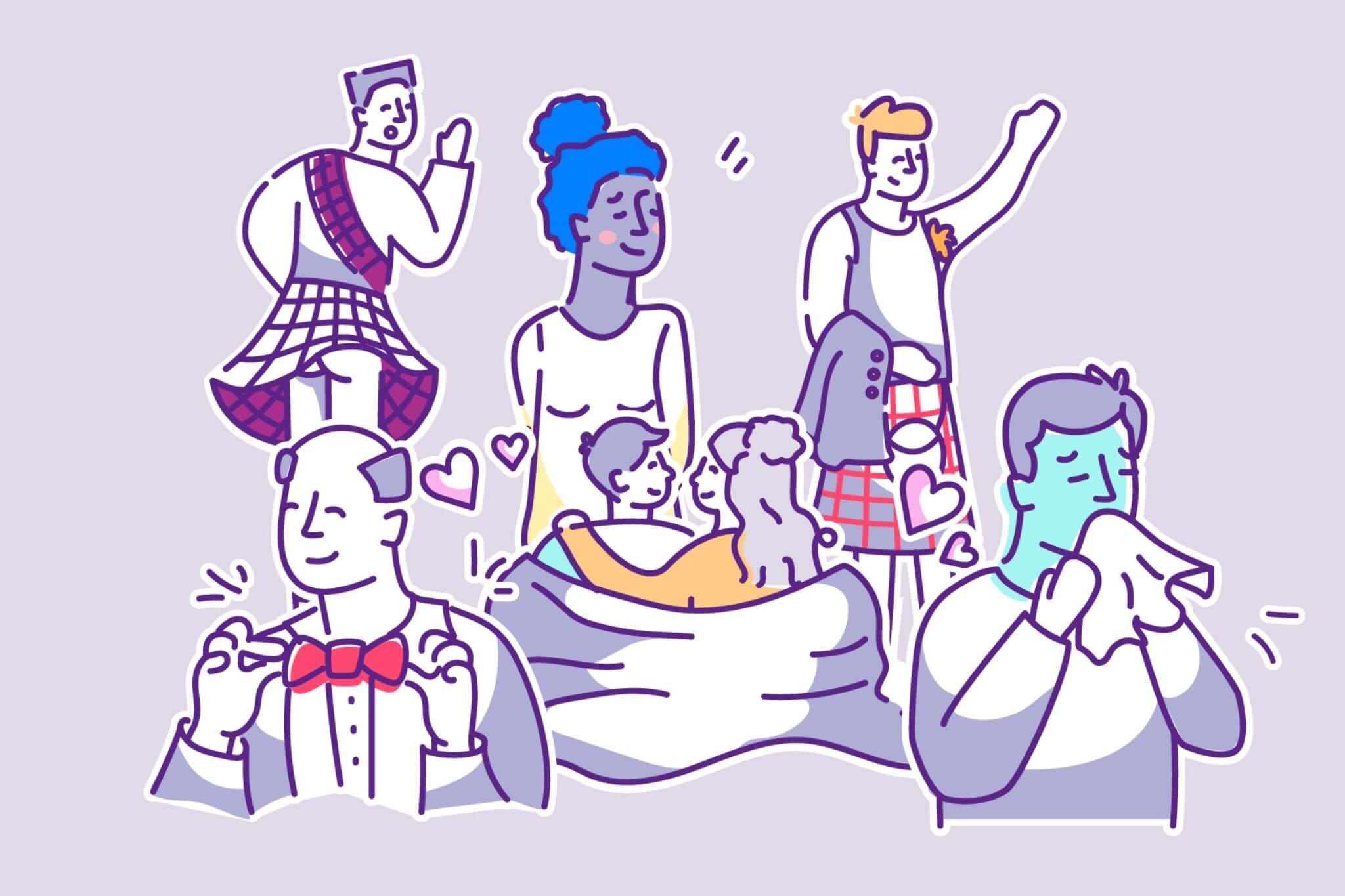
Scottish braw words
18 Braw Scottish words & their meanings
Get the patter (that’s Scots for ‘banter’) with unique words and phrases and you’ll soon be speaking like a local.
A wee guide to the language of Scots
The Scots language is a glorious tapestry of eclectic linguistic influences. It actually belongs to the same Germanic branch of the Indo-European language family, which also includes English, Dutch and German.
This shared ancestry has resulted in some unexpected cognates – words that share the same root and meaning but are pronounced or spelt different. For instance, you’ll find the Scots word for church, kirk, sounds very similar to the Dutch equivalent, kerk. While the Scots word ken, as in ‘to know’ is likely related to the German kennen.
Did you know? The Scots word licht meaning ‘light’ shares its root and meaning with the German licht – just one of many linguistic connections Scots shares with other languages.
Wild Braemar
How did this happen?
The story began in the fifth century, when the Angles invaded Britain from Angulus, an area in what is now Denmark and northern Germany. They gave their name to England and English, and their language later developed into a distinct offshoot known as Scots, during the Middle Ages.
The language of Scots soon became dominant in Scotland, with Scottish words and phrases spoken by everyone from lowly peasants to kings and queens and recorded in manuscript and legal records. It also flourished in poetry, storytelling and song.
What are the Scots dialects?
There are four main Scots dialects, which bring together 10 sub-dialects. These dialects are called:
- Insular – Orkney and Shetland
- Northern – Aberdeenshire, Highlands, Angus
- Central – Edinburgh, Glasgow, Stirling, Dundee, Fife, Perthshire, Dumfries & Galloway
- Southern – Scottish Borders
Thanks to the 1690s poll tax, we can estimate that 750,000 people spoke Scots back then – that’s around 70% of the population. Fast forward to 2011 and there were a reported 1.5 million Scots speakers. That counts towards 30% of the population.
Scottish words and phrases
Now you’ve got the background, let’s get down to business. Discover how to understand, pronounce and use some of Scotland’s most colourful and expressive words and phrases.
Bahookie
Noun: buttocks or backside
If there’s a more musical way to describe the rear end, we’ve yet to find it.
In a sentence: “The wee yin fell right on his bahookie.”
In English: “The little one fell on his bum.”
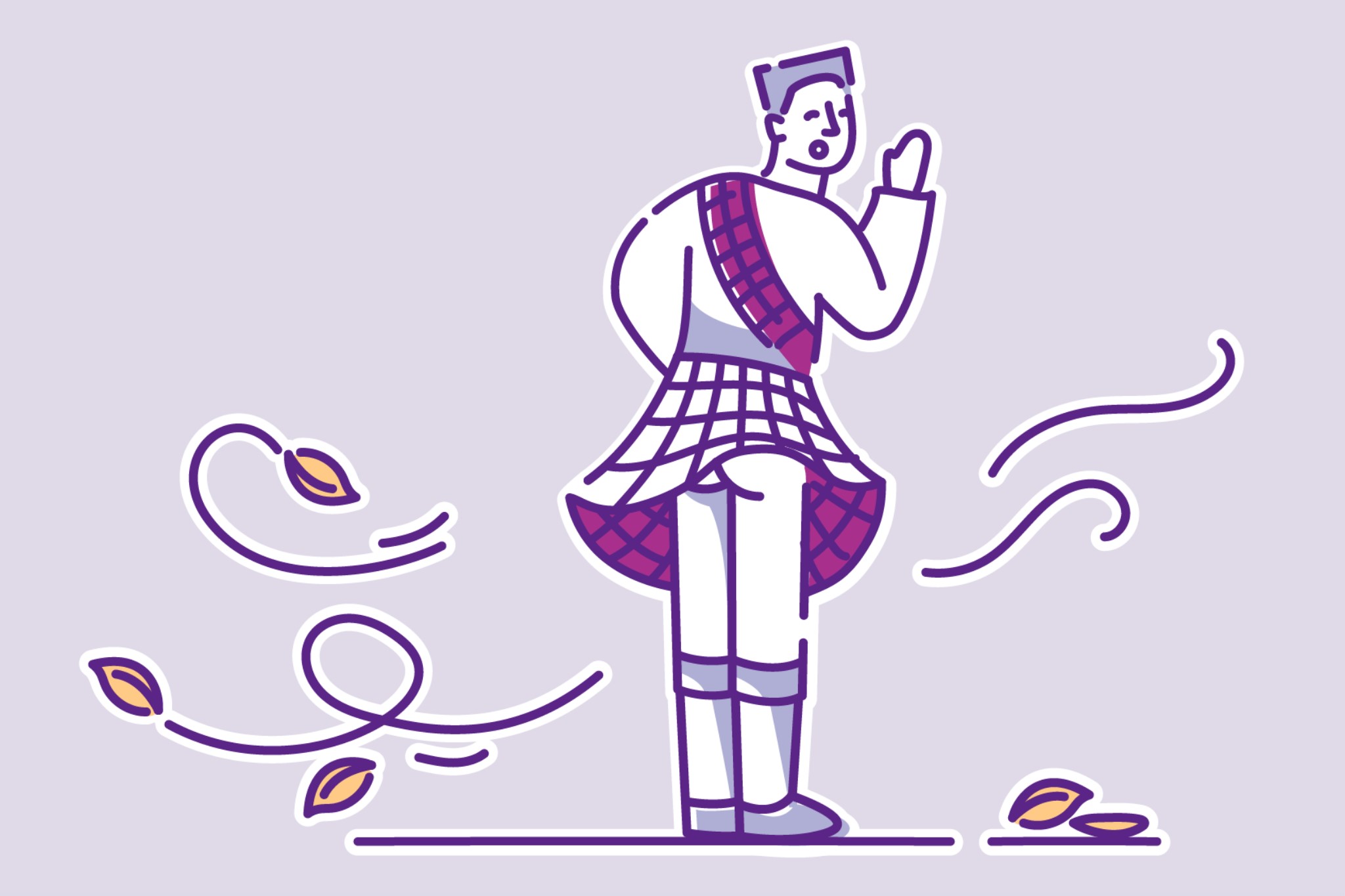
Bahookie - sedere, fondoschiena
Blate
Adjective: shy or bashful
If you find yourself a bit sheepish in the company of a Highlander or islander, you might hear this old-fashioned Scots word.
In a sentence: “Dunna be blate, glaep yun down!”
In English: “Don’t be shy, eat up!” Top marks if you manage to weave gleep meaning to ‘gawp or stare foolishly’ into a conversation.
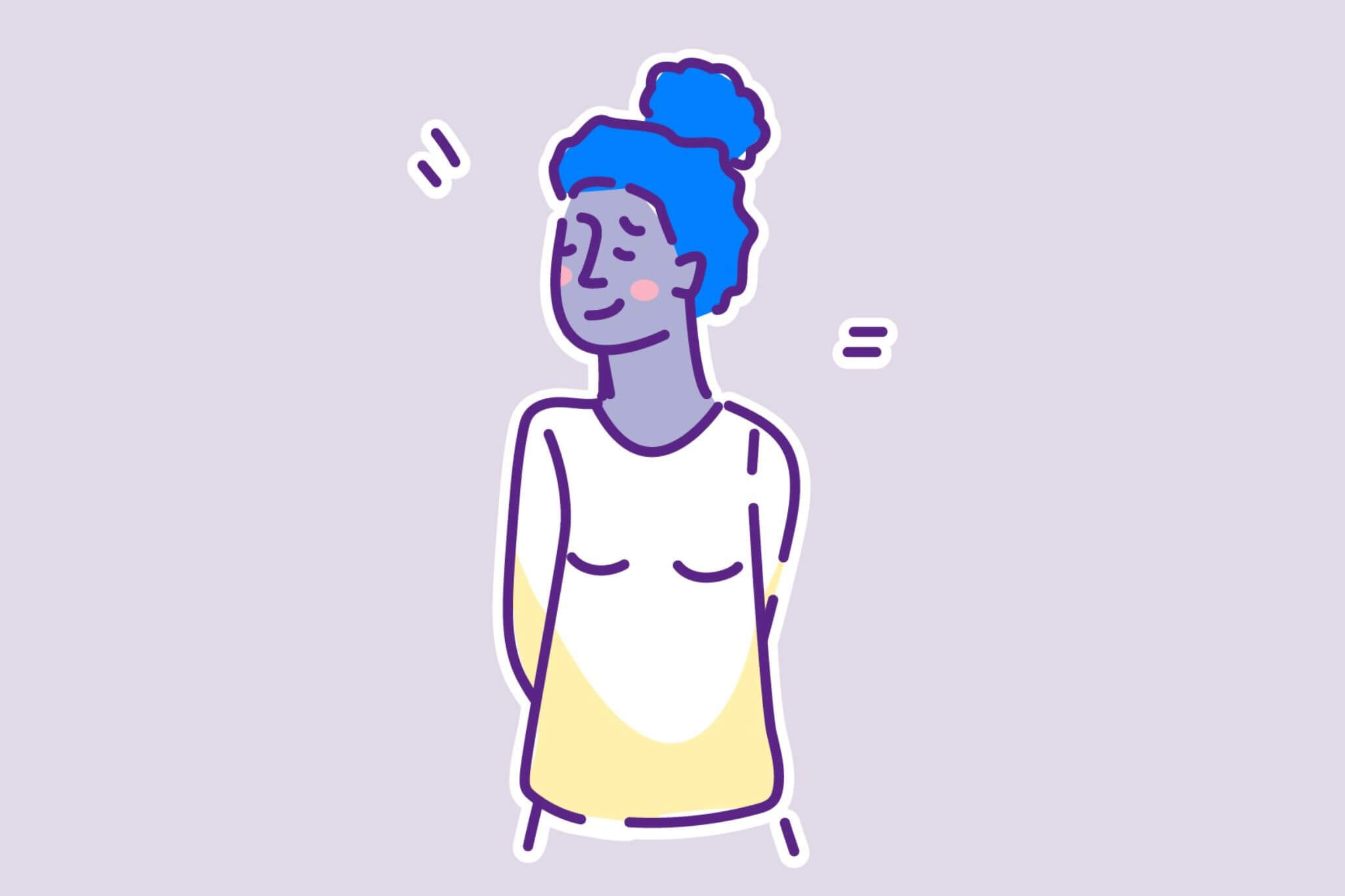
Blate - timido, imbarazzato
Braw
Adjective: excellent or pleasant
From cuddly Highland coos to soaring, cloud-kissed summits, Scotland has no shortage of braw sights.
In a sentence: “It’s a braw day for a dauner.”
In English: “It’s a lovely day for a walk.”

Braw - bello, piacevole
Coorie
Verb: to snuggle or cuddle
Think warm woollen blankets, roaring fires, and steaming cups of tea – or something a little stronger like a wee dram of whisky!
In a sentence: “It’s awfy dreich. It’s a day fur coorieing in under the covers.”
In English: “It's awfully dreary. It's a day for snuggling under the covers.”
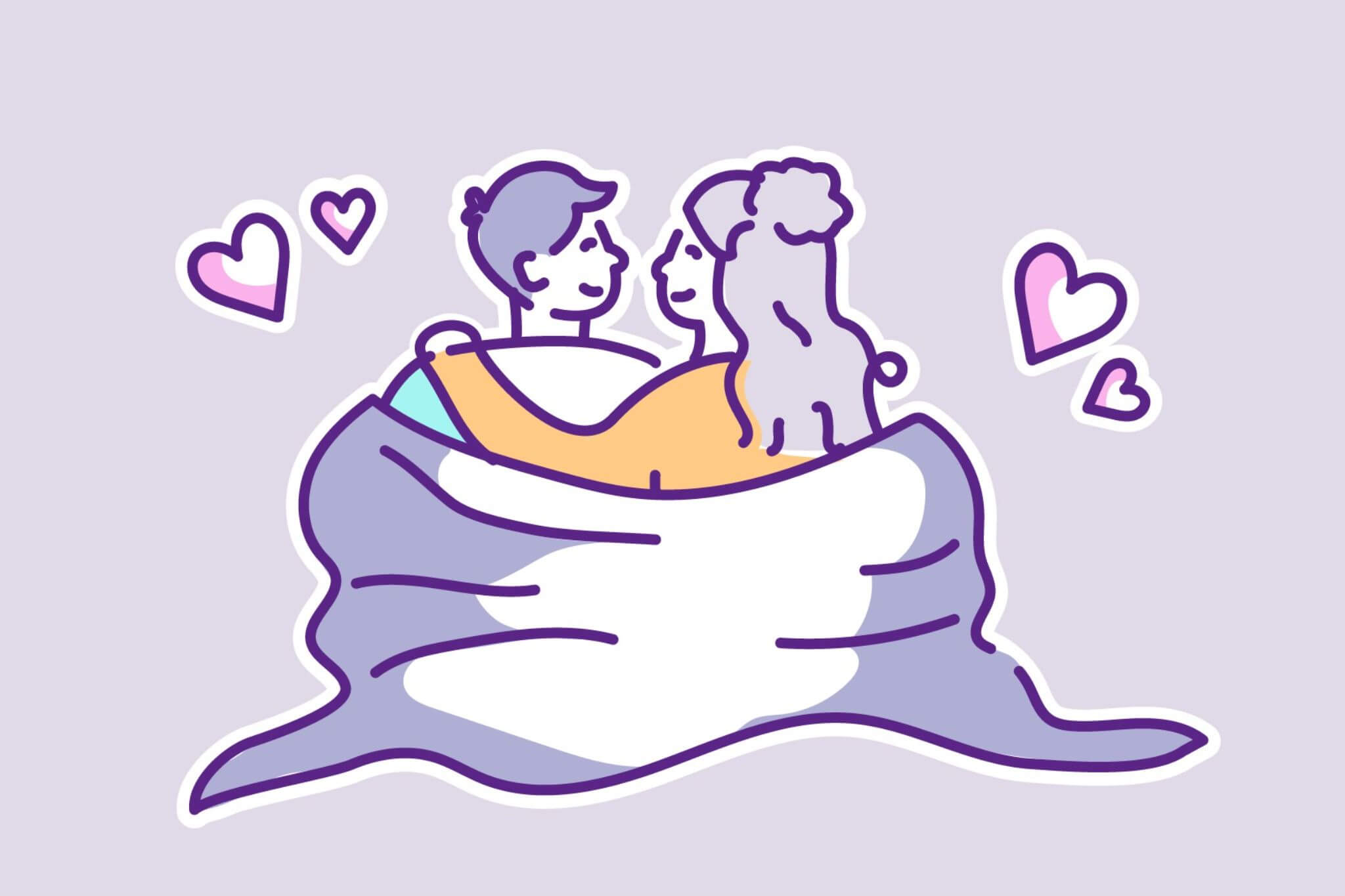
Coorie - coccole
Dook
Verb: to dip in liquid, especially in water
Fancy trying your hand dooking for apples this Halloween? Or if you don’t mind getting really wet, you can take part in the aptly-named Loony Dook, held on New Year's Day every year.
In a sentence: “Dook yer haun in the watter an see if it’s cauld.”
In English: “Dunk your hand in the water and see if it’s cold.”
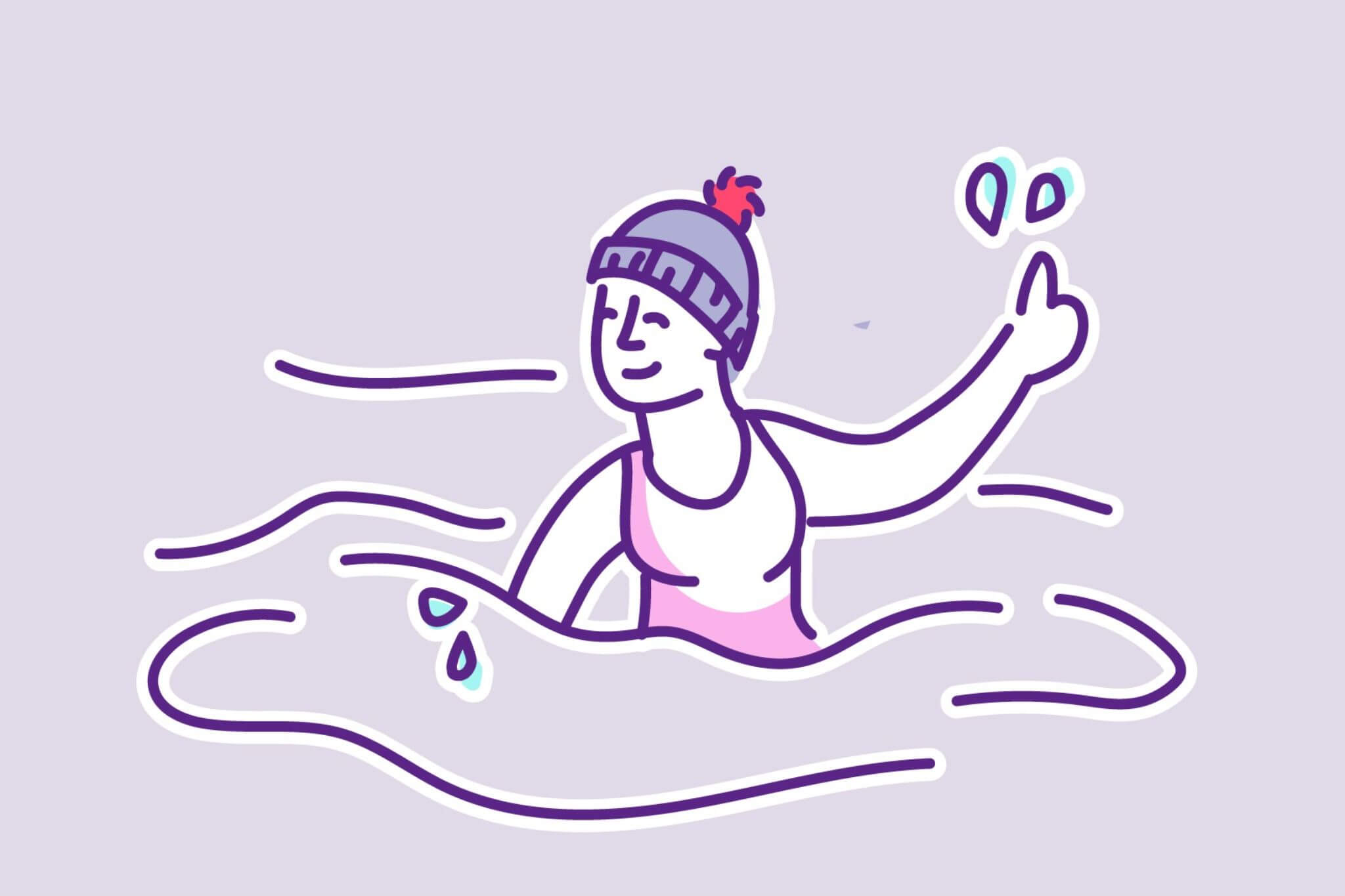
Dook - immergere in un liquido (soprattutto acqua)
Dreich
Adjective: dreary, dull or gloomy
Take from this what you will, but ‘dreich’ has been voted the “most iconic” Scots word on several occasions.
In a sentence: “It’s awfy dreich oot there the day.”
In English: “It’s awfully dreary outside today.”
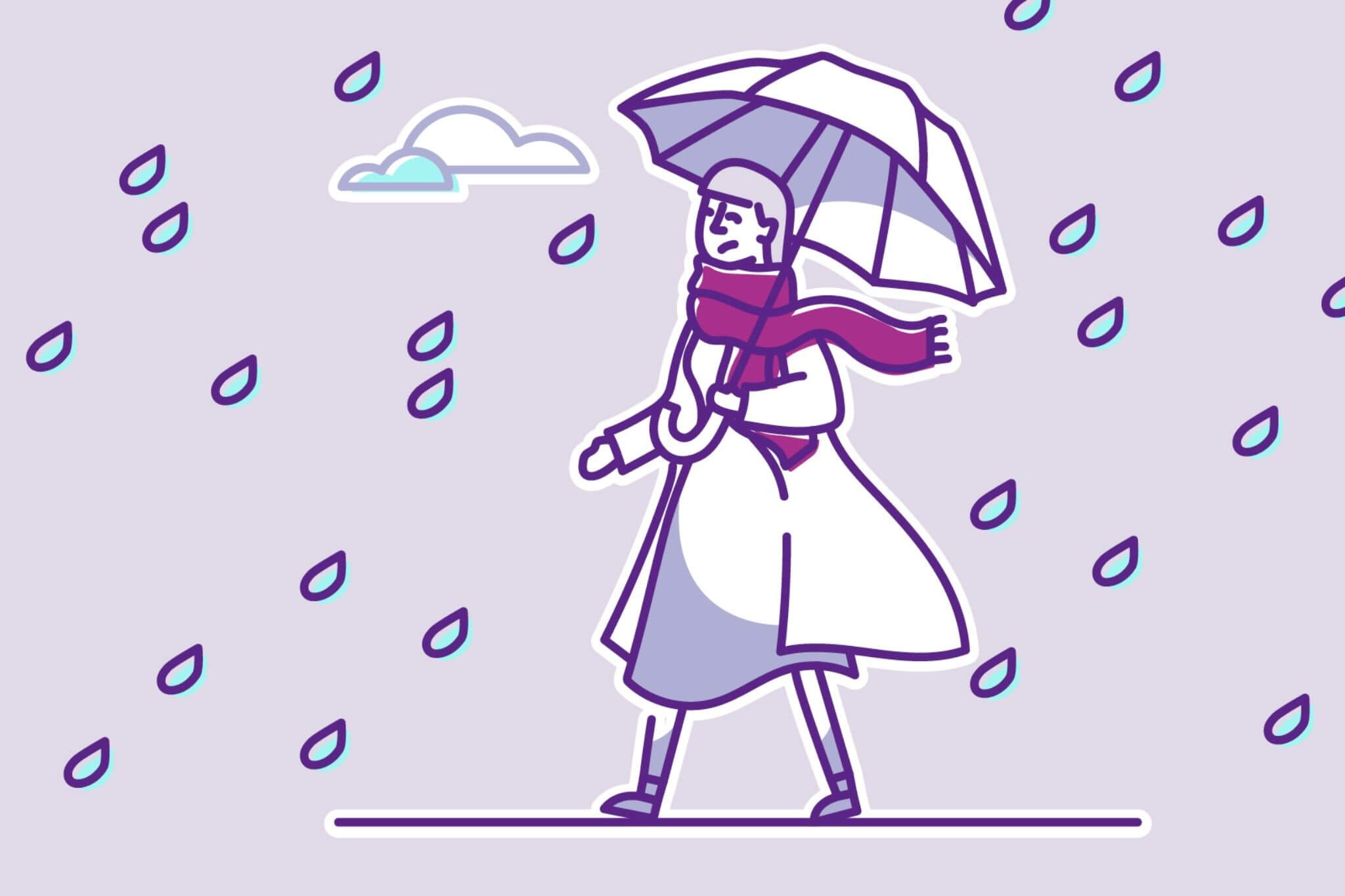
Dreich - cupo, uggioso, tetro
Fankle
Verb: to entangle, a tangle or confusion
Whether describing shoelaces or awkward situations, fankle is a fantastically versatile bit of language.
In a sentence: “Ma heidphones (headphones) are aww fankled.”
In English: “My headphones are all tangled.”
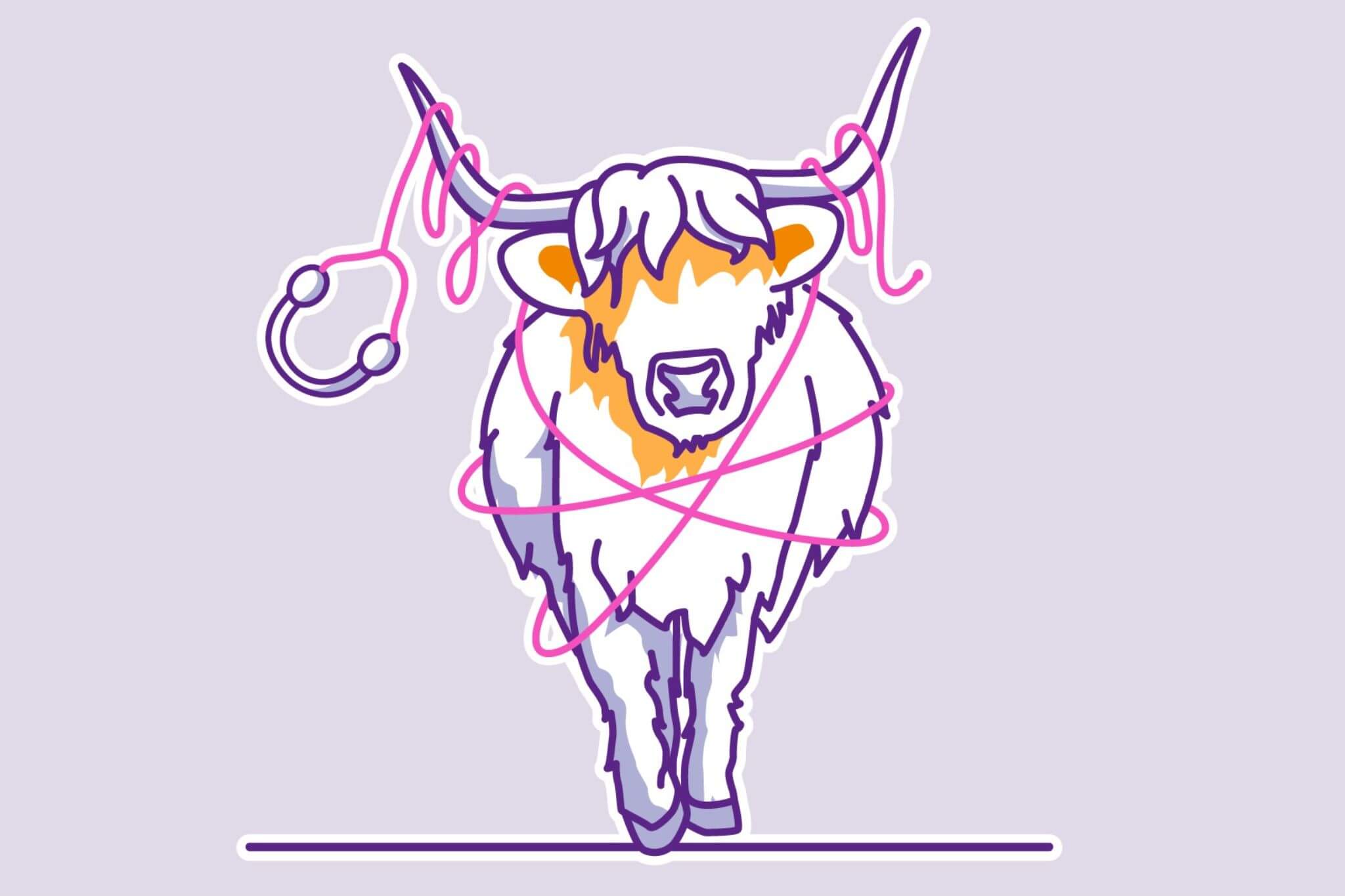
Fankle - aggrovigliare, impigliare, confusione
Gallus
Adjective: cheeky, mischievous or bold
If there were six letters to sum up Glasgow, this would be it.
In a sentence: “He’s pure galllus, that yin.”
In English: “He’s very cheeky, that one.”
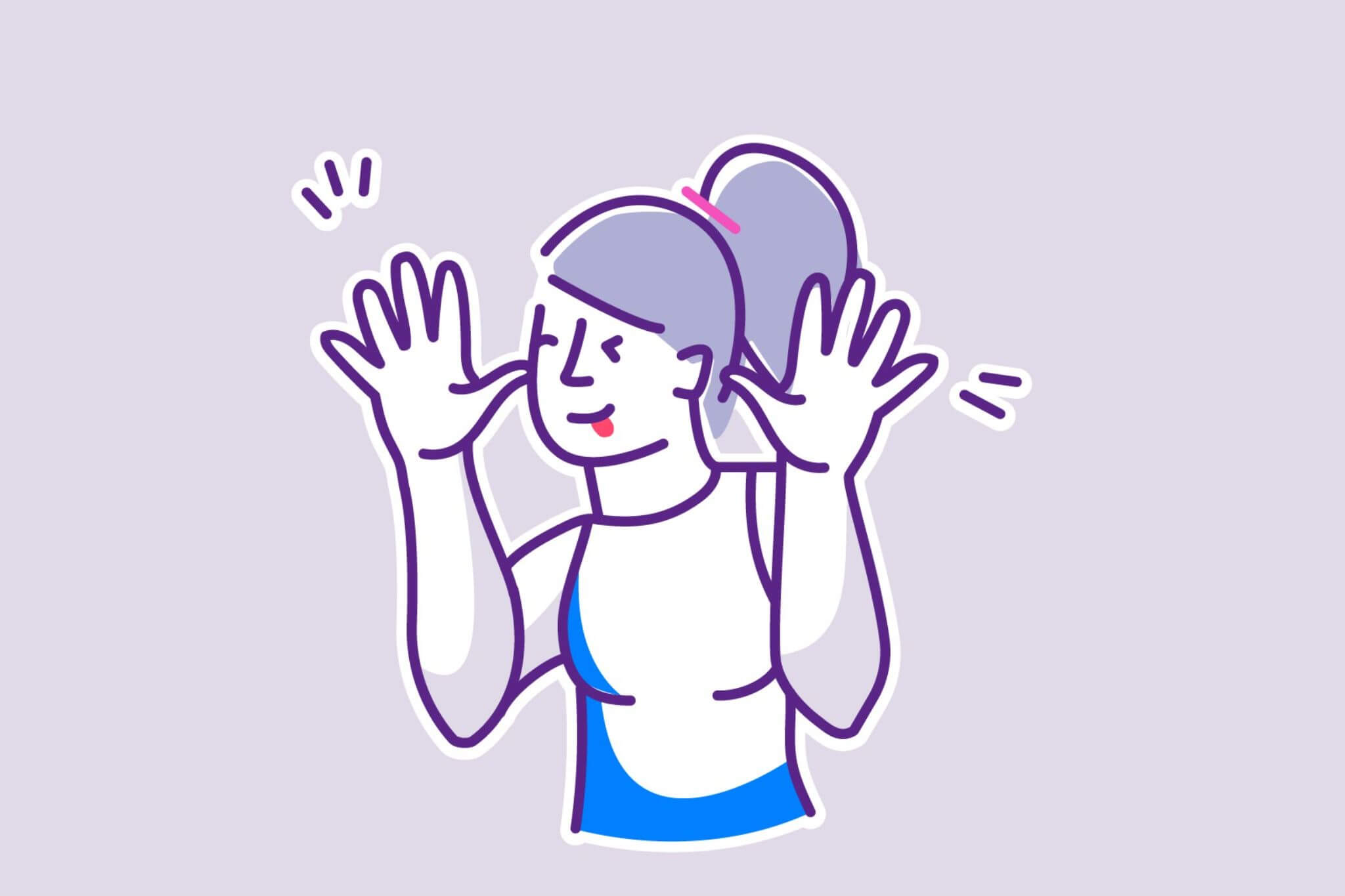
Gallus - sfacciato, malizioso, audace
Glaikit
Adjective: stupid, foolish or thoughtless
As well as some beautiful phrases, Scots is a language filled with unusually blunt insults.
In a sentence: “Dinnae be so glaikit – dae something!”
In English: “Don’t be so thoughtless – do something!”
Glaikit - stupido, sciocco, tonto
Haver
Verb: to talk foolishly or to babble
The popularity of this word owes a debt to the dulcet tones of a pair of bespectacled twins from Fife better known as Craig and Charlie Reid of The Proclaimers.
In a sentence: “Awa – yer havering!”
In English: “Get away – you’re talking nonsense!”

Haver - parlare a vanvera
Keek
Verb or noun: a hasty look, a stolen glance
Try to avoid ‘keeking’ during your travels in Scotland – the views deserve a longer look!
In a sentence: “Goan take a keek oot the windae.”
In English: “Go and have a quick look out of the window.”

Keek - uno sguardo affrettato, un’occhiata furtiva
Loon
Noun: boy or young man
In Aberdeenshire, there are no ‘boys’ and ‘girls’, there are ‘loons’ and ‘quines.’
In a sentence: “Far hiv ye been, loon?”
In English: “Where have you been, boy?”

Loon - ragazzo, giovane uomo
Oxter
Noun: an armpit
In Scotland, you’re not busy, you’re ‘up to your oxters in it’.
In a sentence: “Him there, wae the jaikit tucked in his oxter.”
In English: “That man over there, with the jacket tucked in his armpit.”
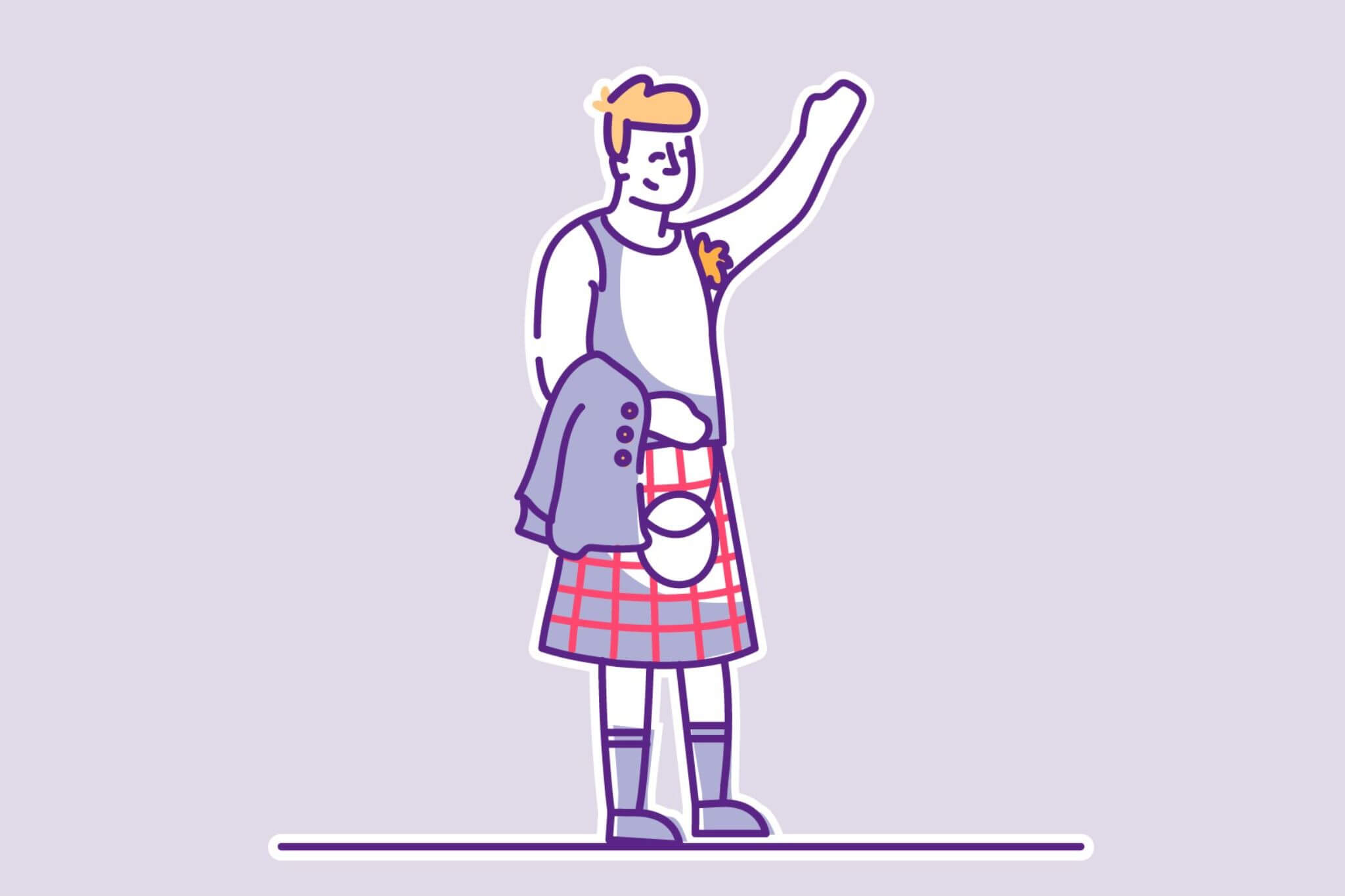
Oxter - ascella
Piece
Noun: a sandwich
Whatever the filling, whatever the bread, in Scots it’s known as a ‘piece’.
In a sentence: “Canny believe that – av forgoat ma piece.”
In English: “I can’t believe it – I’ve forgotten my sandwich.”
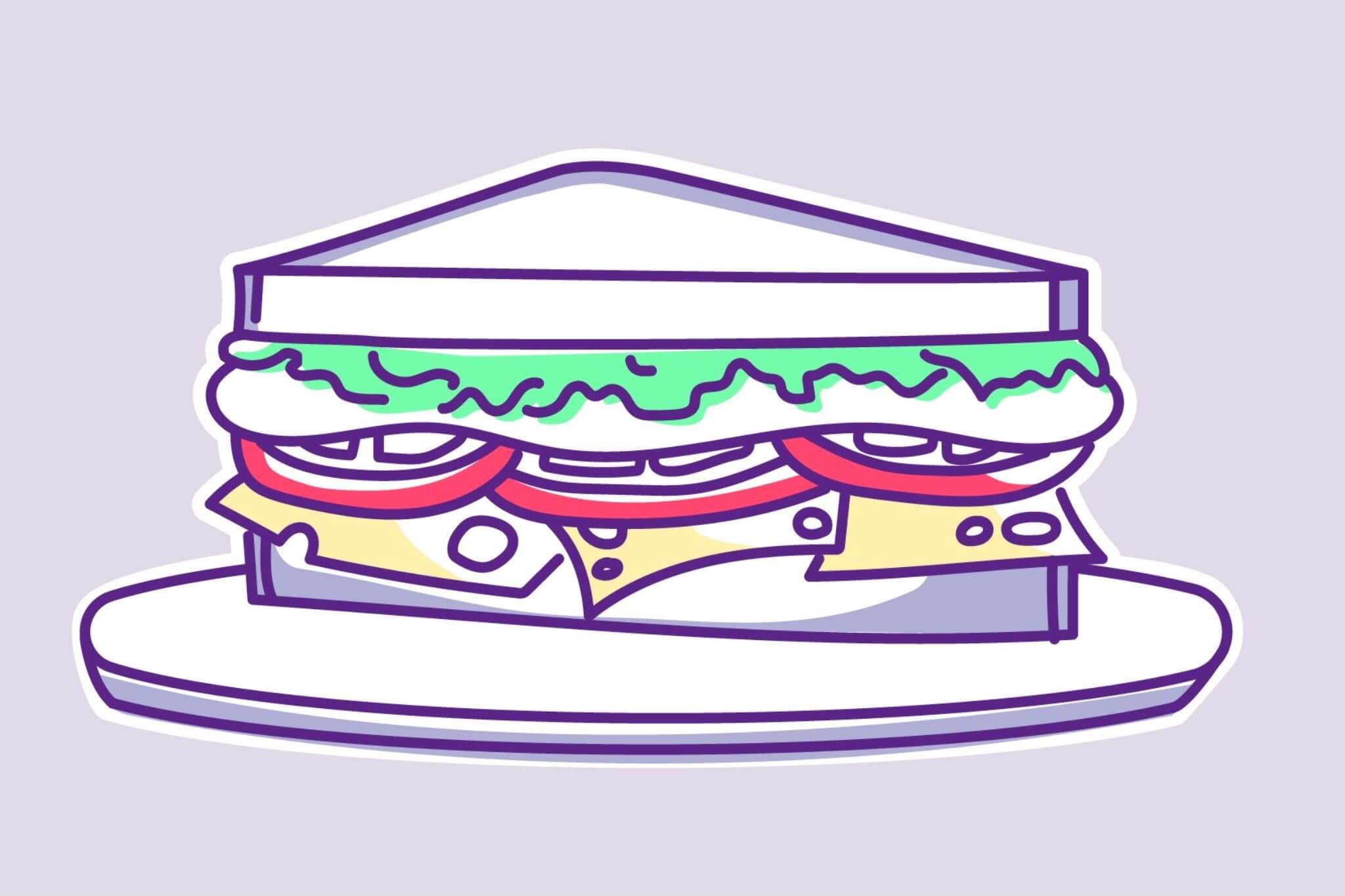
Piece - panino, sandwich
Peelie-Wally
Adjective: pale, off-colour or sickly-looking
Only in Scotland can looking unwell sound so whimsical!
In a sentence: “She’s looking awfy peelie-wally.”
In English: “She’s looking awfully pale.”
Learn how to say 'peelie-wally'
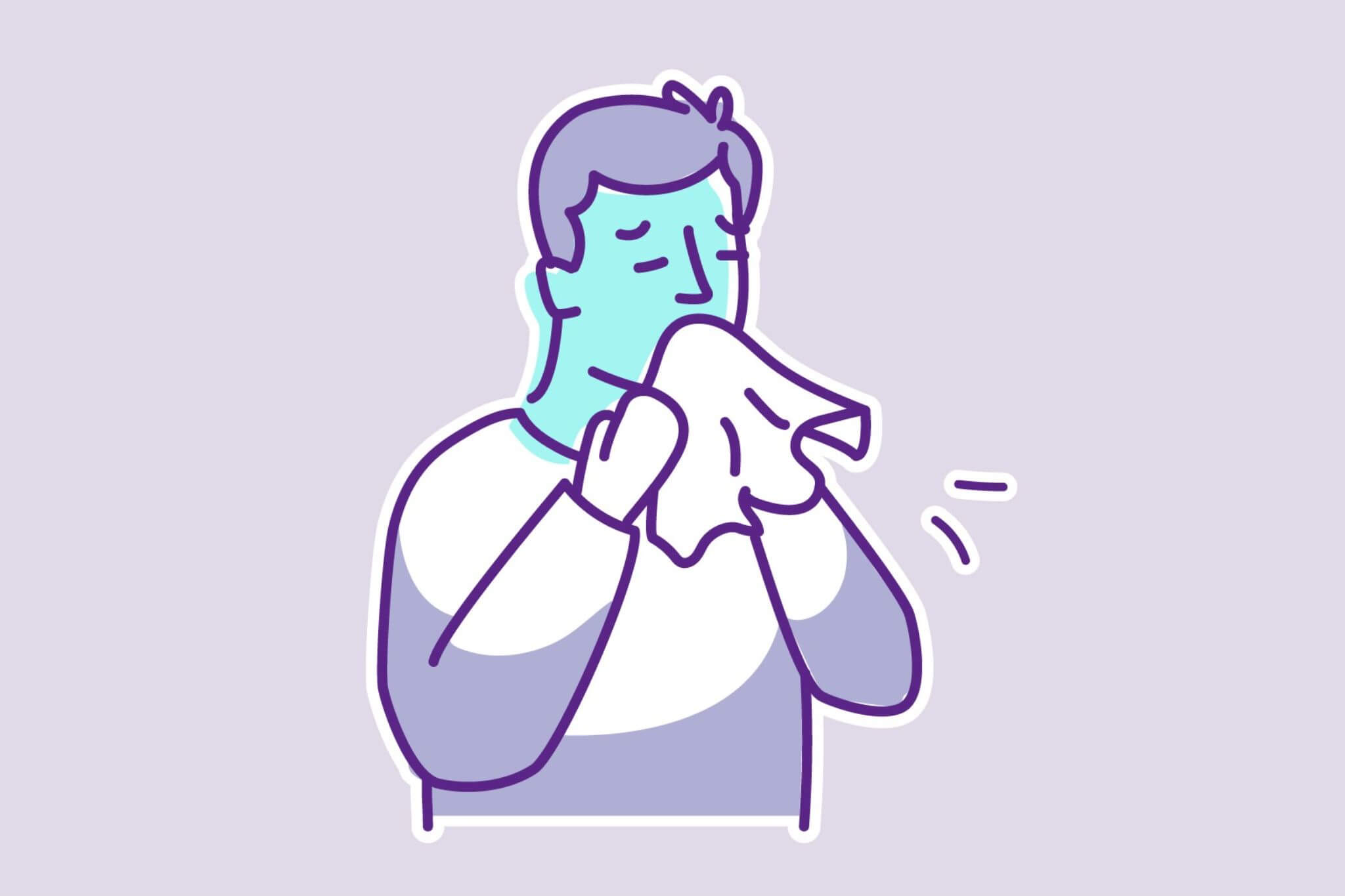
Peely-wally - pallido, indisposto, dall'aspetto malaticcio
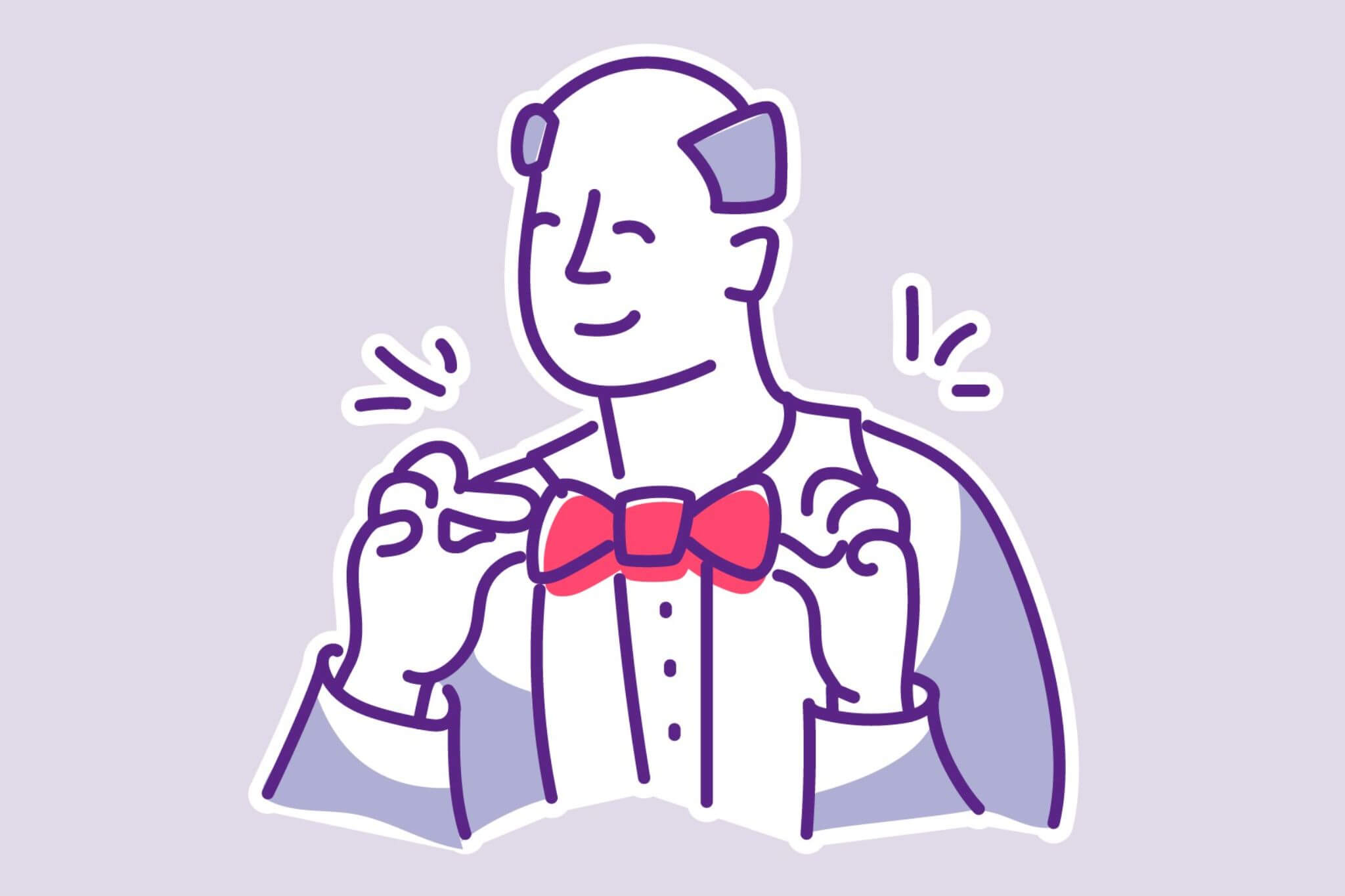
Shoogle
Verb: to shake or to wobble
Scots is a wonderfully illustrative language – you can practically see the word ‘shoogle’ wobbling as you read it.
In a sentence: “Jist gie it a wee shoogle and it’ll come loose.”
In English: “Just give it a small shake and it’ll come loose.”
Shoogle - tremare, agitare, scuotere
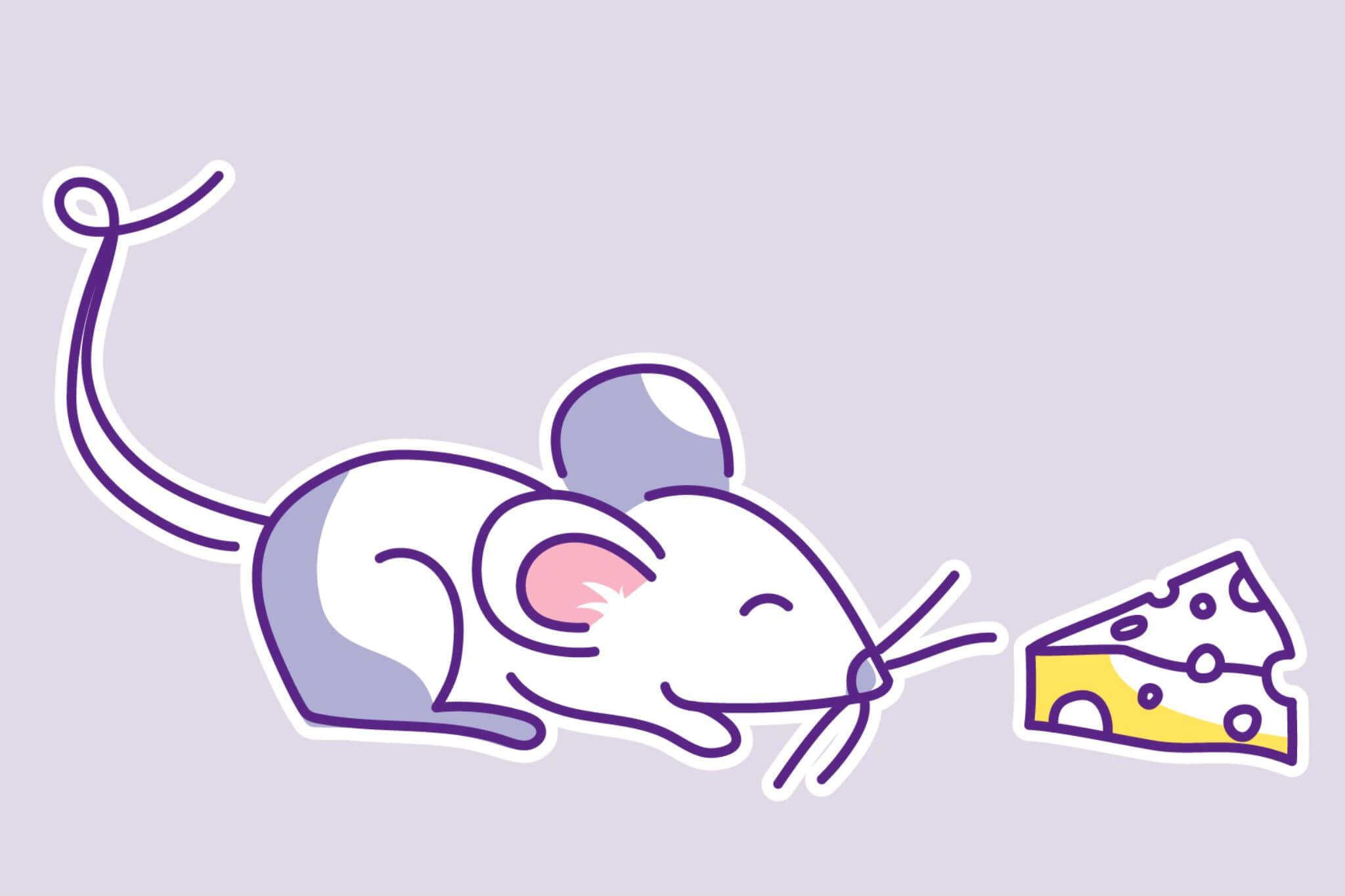
Sleekit
Adjective: sly or cunning
Sleekit is one of the best-known Scots words, thanks to our National Bard Robert Burns using it to describe a field mouse.
In a sentence: “Wee, sleekit, cow’rin, tim’rous beastie.”
In English: “Small, sly, cowering, fearful animal.”
Sleekit - astuto, furbo
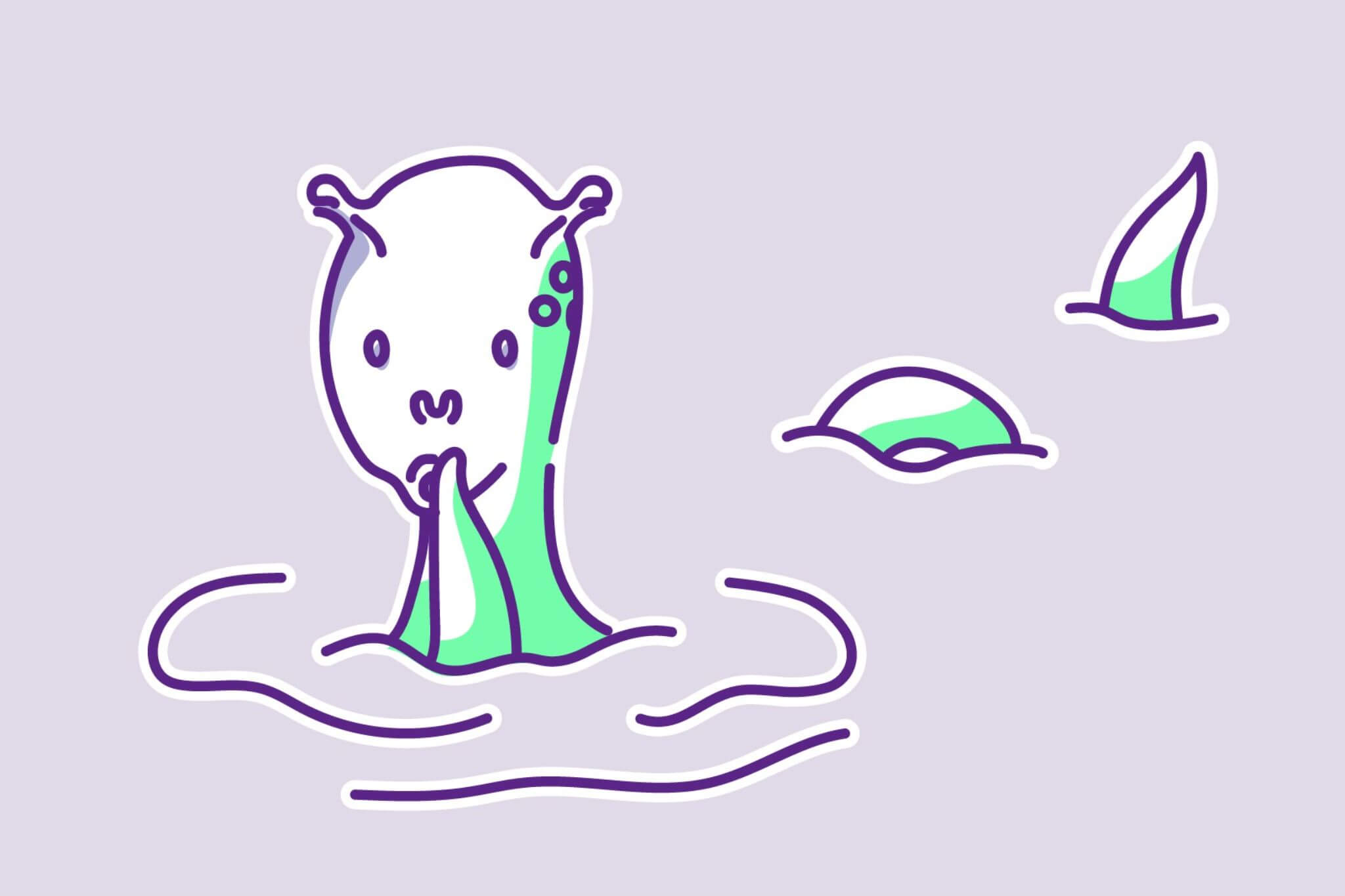
Wheesht
Verb: to call for silence or to be quiet
A fitting end to our whistle-stop tour of Scots – silence!
In a sentence: “Wheesht!”
In English: “Be quiet!”
Weesht - chiedere a qualcuno di fare silenzio o di stare fermo