Harry Potter Book & Filming Locations in Scotland
Follow in the footsteps of Harry Potter with our 4-day itinerary travelling from Edinburgh to the Highlands.
Glenfinnan Viaduct
Discover Scotland's Harry Potter connections
From Edinburgh’s winding closes to the dramatic landscapes of the west Highlands, Scotland is woven through the world of Harry Potter. Discover the places linked to J.K. Rowling’s early writing years, travel aboard the real-life Hogwarts Express, and explore cinematic lochs, glens and villages that helped bring the wizarding world to life with this four-day itinerary.
Day 1 - Edinburgh
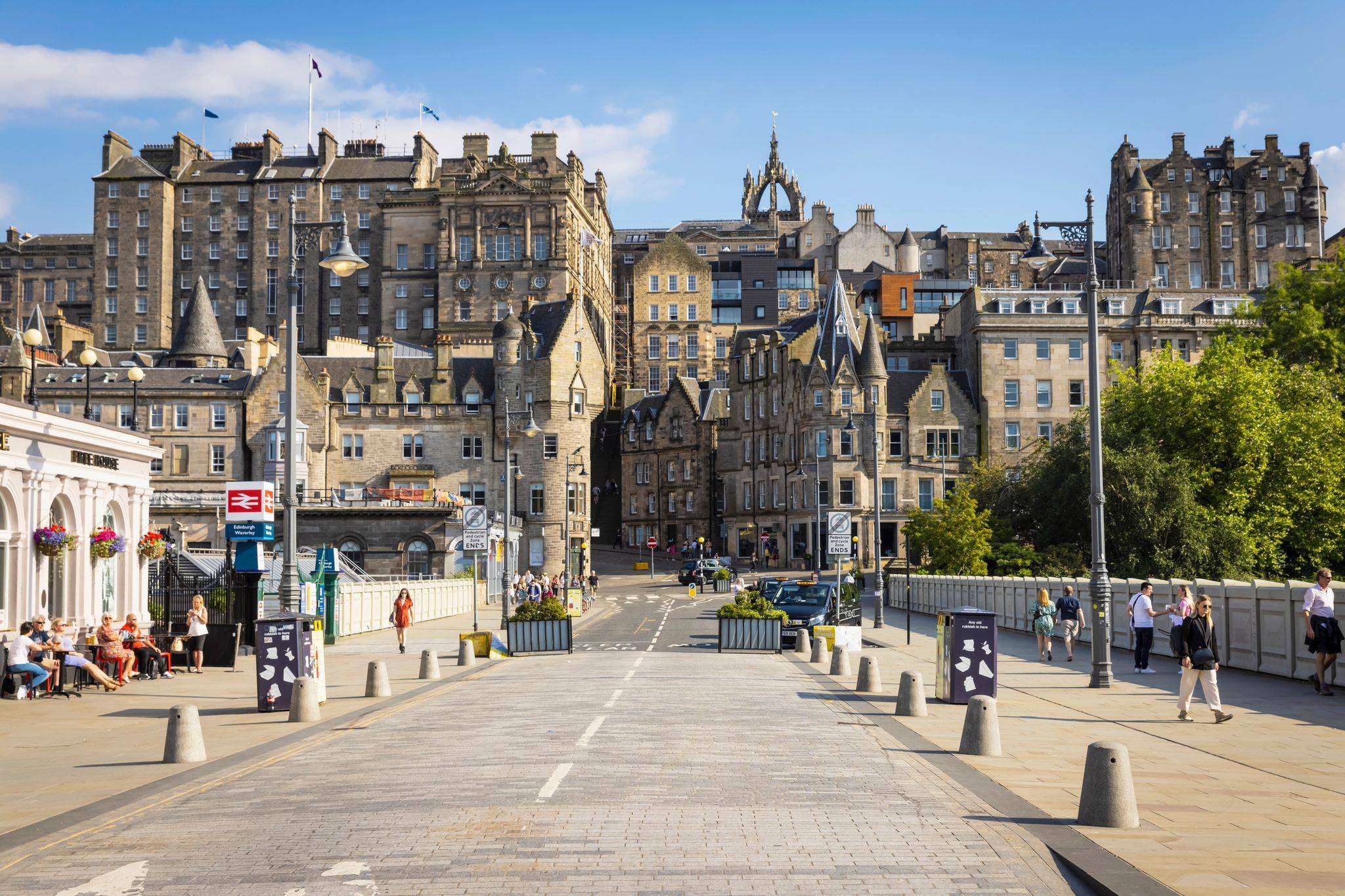
Waverley Bridge
It was in Scotland’s capital city that J.K. Rowling started to plot the adventures of Harry and his pals. With cobbled streets, winding alleys and medieval architecture, the city certainly has a few things in common with the settings from the books and films. She wrote the early chapters in various cafés around the city’s Old Town, before going back to finish off the series from a peaceful suite in The Balmoral Hotel.
- Elephant House – known as the “Birthplace of Harry Potter”, J.K. Rowling is said to have spent time writing here during the 1990s.
- Edinburgh City Chambers – see J.K. Rowling’s handprints set in stone on the Royal Mile, celebrating her contribution to the city’s literary heritage.
- Victoria Street – with its colourful shopfronts and stacked medieval buildings, it is often linked to the inspiration behind Diagon Alley. Browse independent shops, stop for a coffee at the local cafés, or simply admire the architecture and viewpoints across the city.
- Greyfriars Kirkyard – step inside one of Edinburgh’s most atmospheric graveyards. Among the names carved into the stone, Harry Potter fans may recognise Thomas Riddell, William McGonagall and Elizabeth Moodie. Whether coincidence or inspiration, see the historic surroundings that influenced the mood and character of Rowling’s wizarding world.
- The Balmoral Hotel – located at the east end of Princes Street, J.K. Rowling retreated here to finish writing Harry Potter and the Deathly Hallows. The hotel is one of the city's most recognisable landmarks, with its grand clock tower dominating the skyline. After a day of exploring Edinburgh's Old Town, pop in for a cocktail or spot of afternoon tea, even if your budget doesn't stretch to an overnight stay.
The Elephant House
© VisitScotland / Kenny Lam
Victoria Street, Edinburgh
© VisitScotland / Kenny Lam
Greyfriars Kirkyard
The Balmoral Hotel in Edinburgh
Day 2 - Travel to Fort William
Loch Ba at Rannoch Moor
Leave the city behind and journey north into the Scottish Highlands, where the landscapes become wilder, quieter and increasingly cinematic. Take the train, which takes approximately 1 hour, from Edinburgh to Glasgow before joining the famous West Highland Line to Fort William. During the 4-hour journey, look out for Rannoch Moor, the lonely wilderness featured in Harry Potter and the Deathly Hallows; Part 1 when the Death Eaters board the train.
- The cloisters at Glasgow University – admire some of Glasgow’s gorgeous Gothic architecture in the West End, with a university which might remind you a little of Hogwarts. Founded in 1451, the University of Glasgow is the fourth oldest in the English-speaking world, so take a guided tour around its spellbinding campus.
- Fort William – surrounded by mountains and sitting beneath mighty Ben Nevis, this town makes an excellent base for exploring Harry Potter locations in the west of Scotland. Settle into a cosy hotel, lodge or woodland cabin before enjoying an evening beside Loch Linnhe or wandering through the lively town centre.
If you’ve got time to explore further, check out:
- Bo’ness Motor Museum – see Ron Wesley’s Ford Anglia which was used to rescue his friend Harry Potter from the Dursley’s house.
- Scottish Owl Centre – meet majestic Hedwig owl lookalikes where you can see them in action during flying displays and at handling sessions.
The Cloisters at the University of Glasgow
© VisitScotland / Kenny Lam
Fort William High Street
© VisitScotland / Kenny Lam
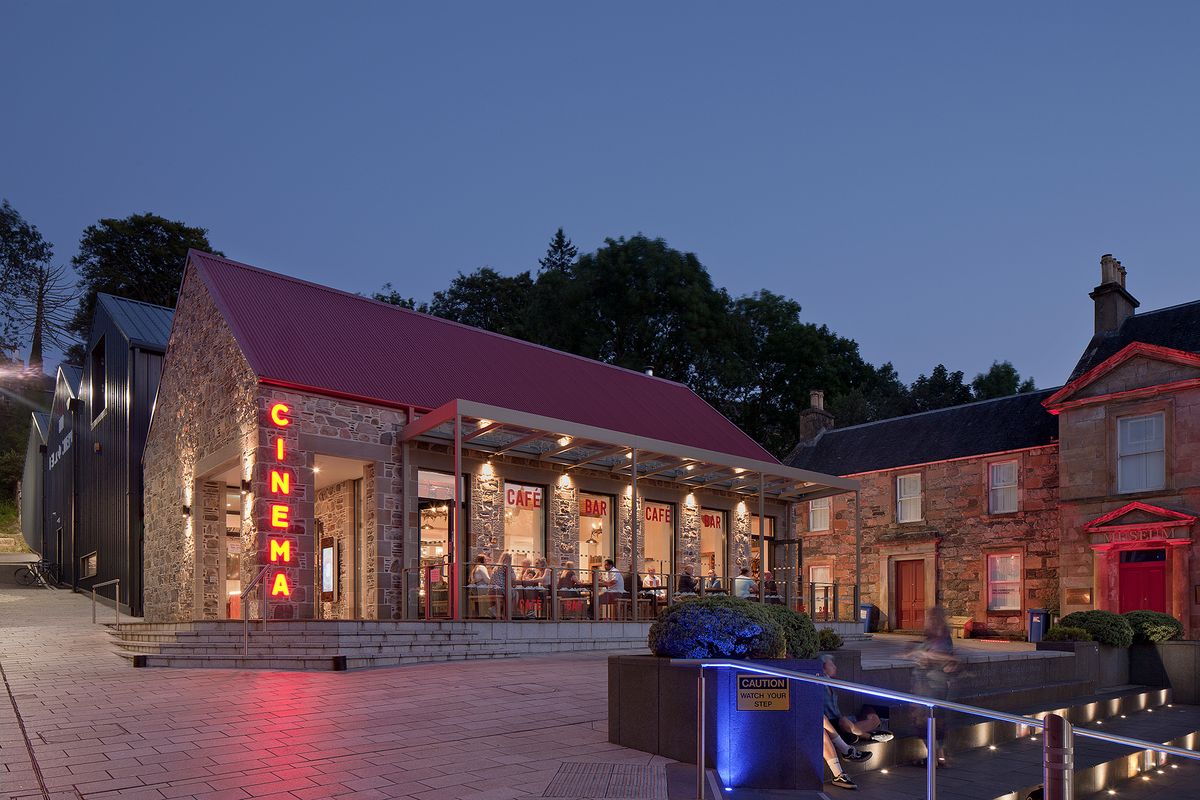
The Highland Cinema in Fort William
© Highland Cinema
Day 3 - All aboard the Hogwarts Express
The Jacobite Steam Train
Witness the sweeping cinematic scenery straight out of the eight blockbuster films by booking a seat on the Jacobite Steam Train, which travels from Fort William to Mallaig along the West Highland Line. Stop for a bite to eat in Mallaig and then make the return journey to Fort William.
- Fort William to Mallaig on the Jacobite Steam Train – cross the world-famous Glenfinnan Viaduct. Operating from April to October, pass remote lochs and travel through rugged Highland landscapes that feature throughout the Harry Potter films. Loch Shiel, which appears beside the viaduct, was used as the setting for Hogwarts Lake in several scenes. Make sure to book the steam train to avoid disappointment.
- Mallaig – this small but bustling harbour village was once the busiest herring port in Europe. Watch boats and ferries come and go or learn more about the village's fishing community at Mallaig Heritage Centre. You'll also find a selection of cafés, pubs and restaurants where you can enjoy fresh seafood – look out for local delicacy Mallaig kippers.
The Glenfinnan viaduct on the West Highland Line.
© VisitScotland / Airborne Lens
Glenfinnan Monument
© VisitScotland / Paul Tomkins
Mallaig Marina
© VisitScotland / Kenny Lam
Day 4 - Lochs and glens
Buachaille Etive Mor and Buachaille Etive Beag seen from Glen Etive, Glencoe
From steep-sided glens and misty mountains to waterfalls and remote lochs, the landscapes of the west Highlands became some of the most recognisable backdrops in the Harry Potter films.
- Clachaig Inn – surrounded by towering peaks, this cosy inn has welcomed travellers for over 300 years. Meet the locals, try some ales, or settle in for a hearty pub dinner. The Clachaig Inn also appeared as a filming location for Hagrid's Hut in Harry Potter and the Prisoner of Azkaban.
- Glen Etive – fans may recognise the landscape from Harry Potter and the Deathly Hallows: Part 1, when Harry, Ron and Hermione arrive here after escaping Gringotts Bank. The single-track road winding through the glen offers one of Scotland’s most spectacular drives, with endless viewpoints and opportunities to stop and take in the scenery.
- Steall Falls – one of Scotland's highest waterfalls, you might recognise this location in the Harry Potter and the Goblet of Fire during scenes from the Triwizard Tournament when Harry faces down a Hungarian Horntail. This scenic walk through the spectacular Nevis Gorge is relatively short but can be uneven in places so sturdy footwear is recommended.
The Clachaig Inn
© VisitScotland / Kenny Lam

Clachaig Inn, Glencoe
© VisitScotland / David N Anderson
The Clachaig Inn, Glencoe
Lochan Urr in Glen Etive with a snow-capped Buachaille Etive Mor
© VisitScotland / Kenny Lam