
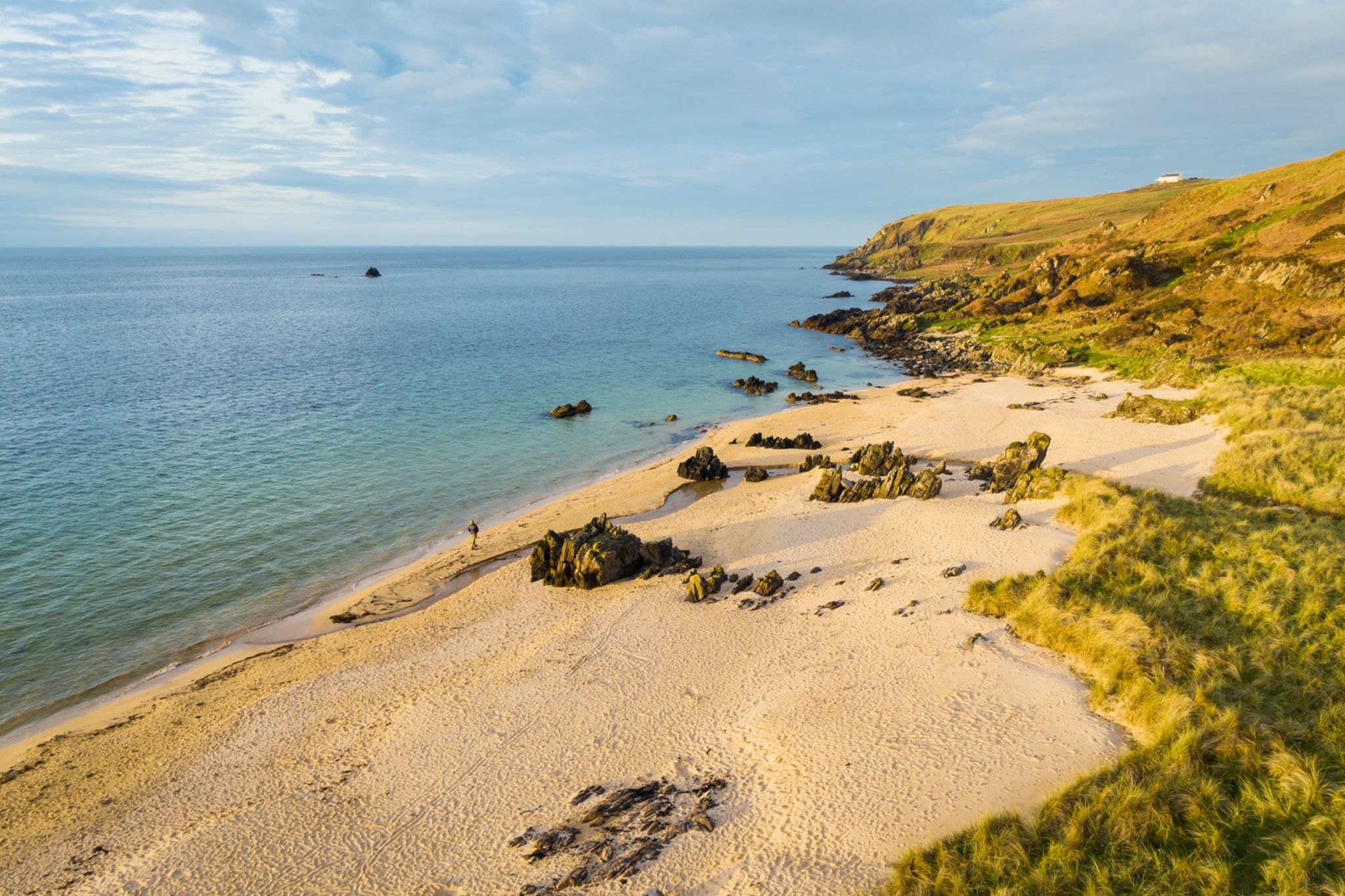
The Singing Sands on Islay
10 Tricky Scottish place names and how to pronounce them
Some are Scots, some are Gaelic, and some are even Norse. Do you know how to pronounce these puzzling place names?
1. Islay (‘Eye-la’)
Rising from Scotland's wild west coast, the Isle of Islay is a place where rugged landscapes, rich traditions and unspoilt nature come together. Widely known as Scotland's ‘whisky island’, Islay is home to nine working distilleries whose whiskies bear distinctive peaty aromas. Yet the island's story stretches far beyond its famous drams!
Wander along beaches where golden sands meet crystal-clear waters, tee off against a backdrop of dramatic coastal scenery or embark on a boat trip to experience Islay's spectacular shoreline from the sea. In winter, gaze up to see thousands of geese migrate to the island while seals, otters and seabirds can often be spotted along the coast.
Just a short ferry journey away lies Jura, a peaceful island of mountains, wilderness and winding trails. For a truly unforgettable experience, venture out by boat to witness the mighty Corryvreckan whirlpool, one of the largest in the world, where the sea churns and swirls with extraordinary power. Whether you're drawn by whisky, wildlife or windswept landscapes, Islay leaves a lasting impression long after you have left its shores.
2. Glamis Castle (‘Glamz’)
With its fairytale turrets and grand sandstone façade hinting at centuries of history and legend, Glamis Castle is one of Scotland's most enchanting landmarks. The castle is linked to Shakespeare's Macbeth, and visitors can step into this literary world by following the Macbeth Trail through the estate, where seven striking wooden sculptures bring some of the play's most memorable scenes to life.
The castle grounds invite exploration at a gentler pace. Wander along the Nature Trail beneath towering trees in the Pinetum, a tranquil haven filled with rare specimens. Keep your eyes peeled to see kingfishers flash across the water in brilliant shades of blue, while elusive otters can sometimes be spotted along the banks. Whether you're drawn by its remarkable heritage or the beauty of the natural surroundings, Glamis Castle offers a captivating glimpse into Scotland's rich past and picturesque countryside.
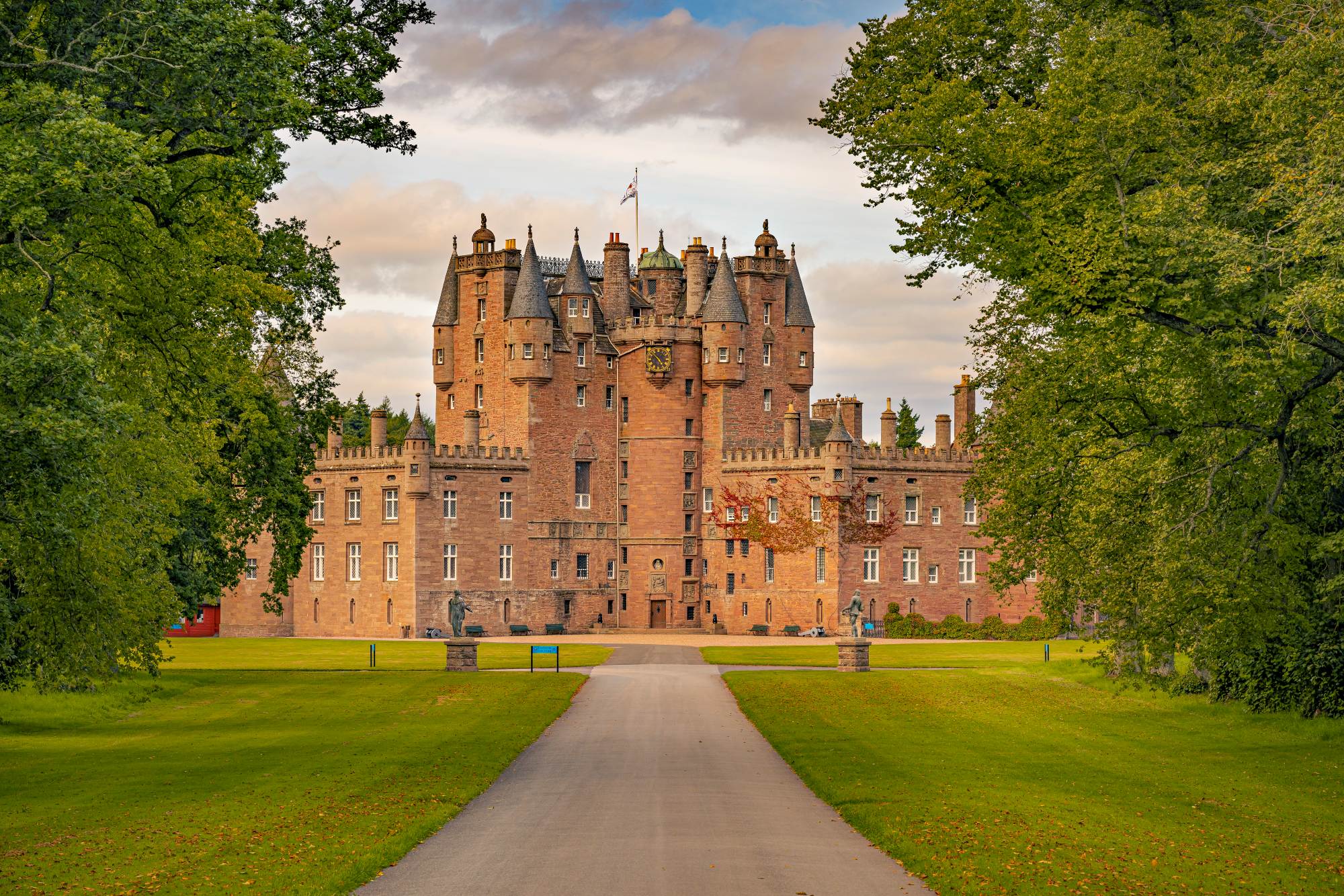
Castello di Glamis, Angus
3. Lerwick (‘Leh-rick’ or ‘Ler-wick’)
All over Shetland, you can still feel the considerable impact the Vikings had on this archipelago. After all, the islands did belong to the Kingdom of Norway for several centuries! Wander through Lerwick’s historic waterfront and you'll find ancient ruins and remarkable buildings, among them a stone broch right in the middle of the town, colourful harbourside buildings and the distinctive ‘Lodberries’, centuries-old stone houses that stand at the water's edge.
Find inspiration for your trip to Lerwick
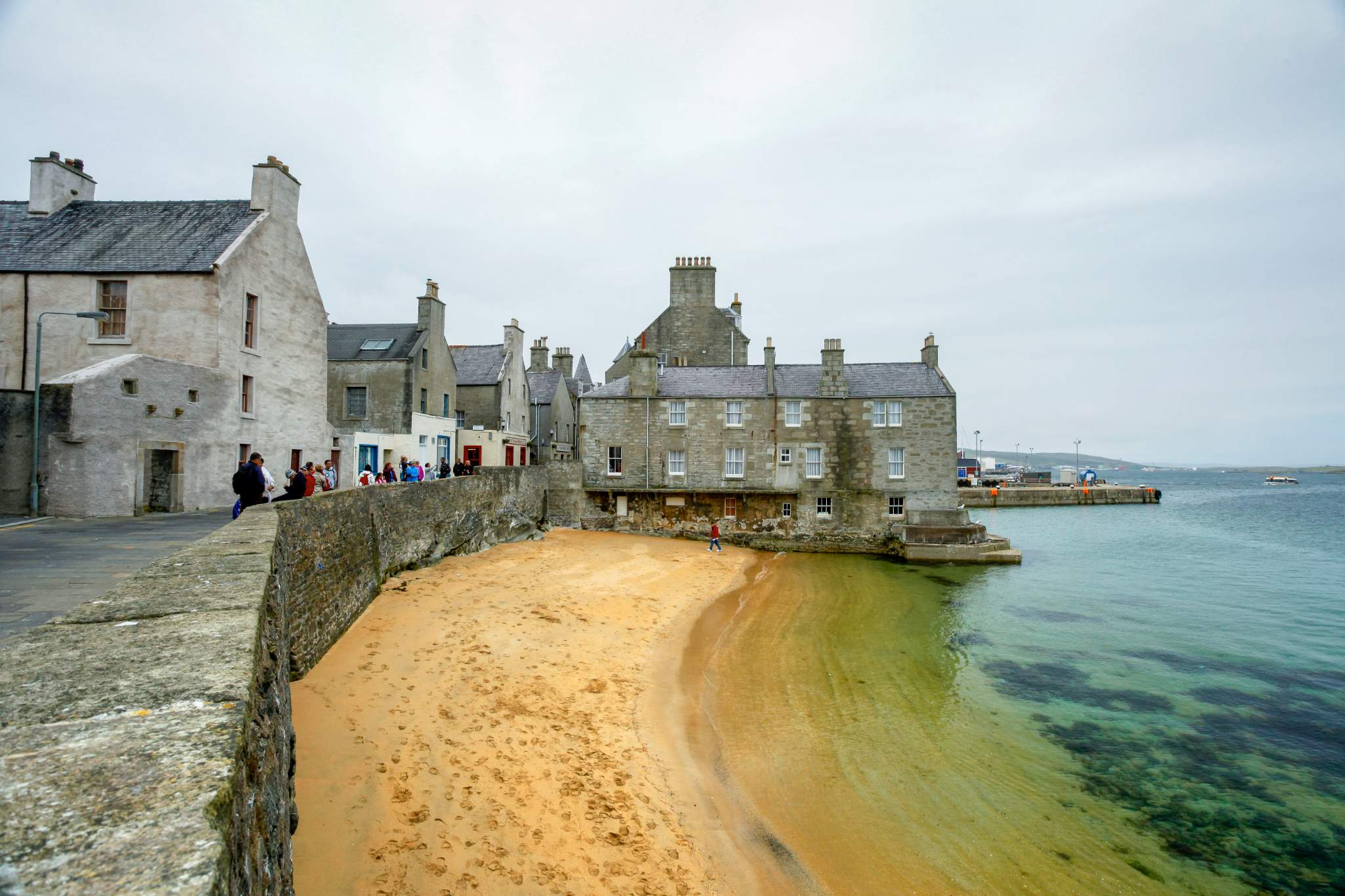
Lerwick, Shetland
4. Culzean Castle (‘Cuh-lain’)
Perched high on rugged cliffs above the Firth of Clyde, Culzean Castle offers a spectacular sight. Beyond its grand architecture lies a vast country park filled with hidden treasures. Wander through elegant gardens, explore peaceful woodlands and seek out more than 40 historic buildings and follies tucked away across the castle grounds. From the swan pond and sandy beaches to the abundant wildlife that calls the grounds home, every corner of Culzean deserves to be explored and marvelled at.
Discover Culzean Castle & Country Park
Castello di Culzean e Country Park, Maybole
© Barry Dawson / Ayrshire & Arran Tourism Group
5. Culross (‘coo-riss’)
Only 25 miles (40 km) from Edinburgh, Culross is a remarkable place on the northern shore of the Firth of Forth whose name derives from Scottish Gaelic and means ‘holly point or promontory’. You might already know it as a location from the hit TV show Outlander, but it's well worth a visit even if you’re not an Outlander fan. You can find many remarkable historical buildings in the centre of the village, some of which date back to the 16th century, such as the striking Culross Palace.
Take a journey back in time, discover the old streets and alleyways and enjoy the special atmosphere among the quaint and colourful buildings. Follow the narrow alleyway to the left of Culross Palace and climb the steps all the way to the Hanging Gardens Viewpoint, where you will be rewarded with fantastic views over the gardens of Culross Palace and the village all the way to the Firth of Forth.

Vista del Palazzo di Culross, Culross
6. Kirkcudbright (‘Kir-coo-bree’)
Nestled on the banks of the River Dee in the south-west of Scotland, the charming little town of Kirkcudbright derives its name from Gaelic and means ‘chapel of Cuthbert’, referring to Cuthbert of Lindisfarne, who lived in the seventh century.
With its pastel-coloured houses, charming harbour and creative spirit, it's easy to see why generations of artists have been inspired by this place. Known as ‘The Artists' Town’, Kirkcudbright remains a thriving hub for makers, galleries and independent shops. Beyond the town, quiet country lanes, walking trails and nearby beaches offer plenty of opportunities to slow down and soak up the beauty of the surrounding landscape.
Police Close, Kirkcudbright
7. Scone Palace (‘Scoon’)
Whether your scone normally rhymes with ‘stone’ or ‘gone’, this one, believe it or not, rhymes with ‘spoon’! If you’re visiting the Fair City of Perth, don’t miss out on a trip to nearby Scone Palace, a place of considerable historical significance. From the ninth century onwards, 42 Scottish monarchs were crowned here on the Stone of Scone, also known as the Stone of Destiny, which is on display in the nearby Perth Museum.
Take a tour of the palace, wander through its grand rooms and elegant galleries, walk across its accessible garden trails and imagine the ceremonies and intrigues that shaped the nation's history for over a thousand years. On your walk, you can discover the intricate Murray Star Maze made of hundreds of beech trees, the small chapel on the hill where Scottish monarchs were crowned in the past and maybe you will even see some of the peacocks roaming the gardens.

Palazzo di Scone, Perth
8. Cockburn Street (‘Co-burn’)
When you are in Edinburgh, many paths will take you to the famous Royal Mile, but Cockburn Street, named after the 19th century lawyer Lord Cockburn, is among the prettiest of them all. You’ll want to make sure you get the name right before asking a local for directions though!
Follow the winding street, whose cobbles and towering buildings give you an idea of what Edinburgh’s Old Town has to offer, until you reach the Royal Mile. Take your time and step into the many little shops that line the street, duck into cosy cafés and venture down some of the closes and courtyards that offer unexpected viewpoints over the Old Town. Some of the closes leading up to the Royal Mile date back as far as the 16th century!

Cockburn Street, Edimburgo
9. Wemyss Bay (‘Weems Bay’)
Set on the shores of the Firth of Clyde, Wemyss Bay is a gateway to Scotland's island landscapes. The name derives from the Gaelic word uiamh, meaning ‘cave’, and is thought to refer to the caves in Wemyss in Fife. From there, the name spread across Scotland with members of Clan Wemyss and eventually made it all the way to Wemyss Bay on the west coast.
Before boarding the ferry to the Isle of Bute, take a moment to admire the village's architectural gem: the striking A-listed railway station. With its glass roof, elegant ironwork and Victorian concourse, it is often described as one of Scotland's most beautiful stations. If you hop on the train in Glasgow Central Station, you can travel down to Wemyss Bay and explore the village, where coastal views stretch across the harbour to distant hills.

Stazione ferroviaria di Wemyss Bay
10. Milngavie (‘Mull-guy’)
The name of this small town north of Glasgow is derived from Scottish Gaelic and means ‘windmill’ or ‘windy hill’. This welcoming town marks the start of the legendary West Highland Way, a long-distance trail that winds for 96 miles through some of Scotland’s most spectacular scenery, from rolling lowland landscapes to the dramatic peaks of the Highlands – a truly unforgettable walking adventure! You can also choose one of the sections and explore part of the route, of course!
Plan your trip along the West Highland Way
Escursionisti sulla West Highland Way
© VisitScotland / Paul Tomkins