

Winter solstice at the Ring of Brodgar.
Orkney.com
UNESCO World Heritage Sites in Scotland
From ancient standing stones to islands on the edge of civilisation, discover man-made marvels and natural wonders in Scotland.
What to expect
Scotland is home to seven UNESCO World Heritage Sites. These landmarks, landscapes and monuments have been designated to highlight and protect their internationally significant cultural and natural heritage. Visit these sites to see ancient traces of the Romans in Scotland, picture Neolithic life in Orkney, or uncover the secrets of the magnificent Old and New Towns of Edinburgh.
Frontiers of the Roman Empire: The Antonine Wall
Discover fascinating traces of what once was the Roman Empire’s most northerly frontier and one of the civilisation’s most sophisticated military constructions.
Reaching from the Firth of Forth in the east to the River Clyde in the west, the Antonine Wall was an ambitious engineering project, striking fear and dread into the hearts of the people of Scotland around 2,000 years ago. When completed, this formidable border was lined by 17 forts and patrolled by 7,000 soldiers hailing from all corners of the Roman Empire, tasked with protecting the northern frontier of Rome.
Unlike Hadrian’s Wall, which was built from stone, the Antonine Wall was composed of ramparts built from layers of turf and fronted by a wide and deep ditch to deter attackers. Visit Watling Lodge near Falkirk to walk along the best-preserved section of the ditch and rampart, plan a trip to Bearsden to find the remains of a Roman bathhouse, or let the kids play at being Romans for a day at one of the Roman-inspired playparks dotted along the wall.
Find out more on the official website of the Antonine Wall
Stay in the Forth Valley to explore the Antonine Wall
Beeld van een Romeins hoofd bij de Muur van Antoninus, Kirkintilloch
Find the best local attractions and experiences
Admire the exhibits and artefacts at Callendar House Museum, marvel at the scale of the wall at Rough Castle, find rare traces of a Roman fortlet near Kinneil House, or watch Roman history come to life on an immersive tour.
Callendar House
See traces of a ditch section in the park before visiting the exhibits on the Antonine Wall inside Callendar House.
Rough Castle
Small but well-preserved, this Roman fort has the tallest section of rampart still to be found along the Antonine Wall.
Kinneil House
Visit the only remaining visible example of a fortlet on the Antonine Wall near historic Kinneil House.
Real Roman Tours
Find out more about the history of the Antonine Wall on a tour with a Roman legionary as your guide.
The Flow Country
Step into a vast area of rugged beauty in the North Highlands, where ancient landscapes, rich history and a vibrant culture create a place you won’t find anywhere else in the world.
Set in the secluded open landscape of Caithness and Sutherland in the very north of the Scottish mainland, the Flow Country is a seemingly untouched wilderness characterised by blanket bog, sheltered straths, moorland and mountains, with deep roots in Highland history and nature. This extensive blanket bog system is one of Europe’s most important natural resources and the UK’s newest natural World Heritage Site.
Base yourself in one of the quaint local towns and villages that are the gateways to this remote wilderness. Get to know the local nature and wildlife as you listen out for the calls of rare birds in the distance, gaze up at the night sky to see which stars and constellations you can spot or take a moment to enjoy the quiet as you watch the reflection of the sky light up the bog pools in this special corner of Scotland.
Plan your visit with the official website of the Flow Country
Base yourself in the Highlands to visit the Flow Country
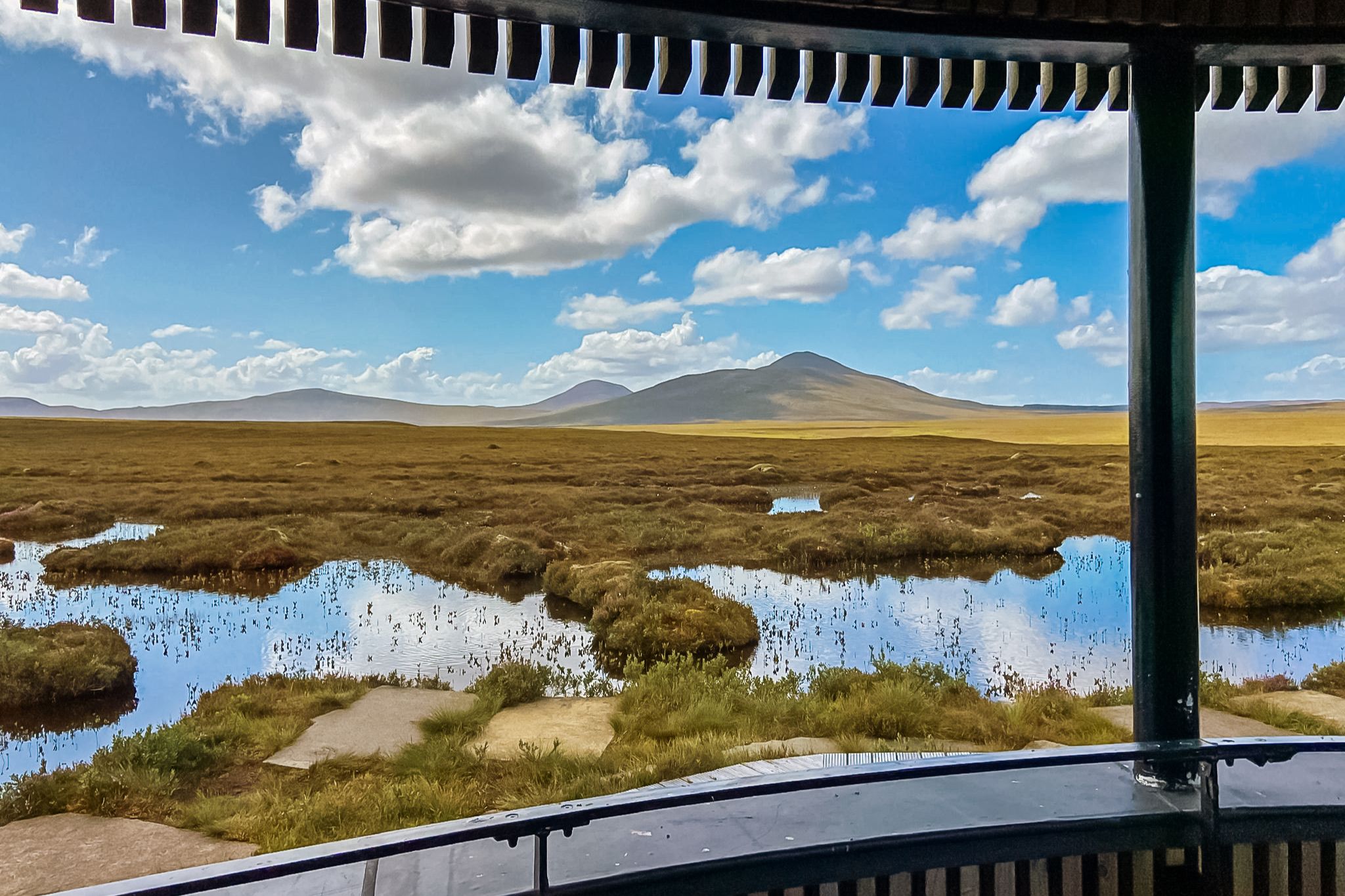
Het Forsinard Flows National Nature Reserve, noordelijke Hooglanden
© A Highland Blend
Get to know the Flow Country
Explore the landscape along trails and walking routes, find out more about the area’s history in local museums, see precious wildlife and habitats up close in protected nature reserves and appreciate the beauty and scale of the Flow Country at designated viewpoints.

Dubh-lochain trail
Experience the blanket bog up close by following a wooden walkway to a tower with unrivalled views across the landscape.
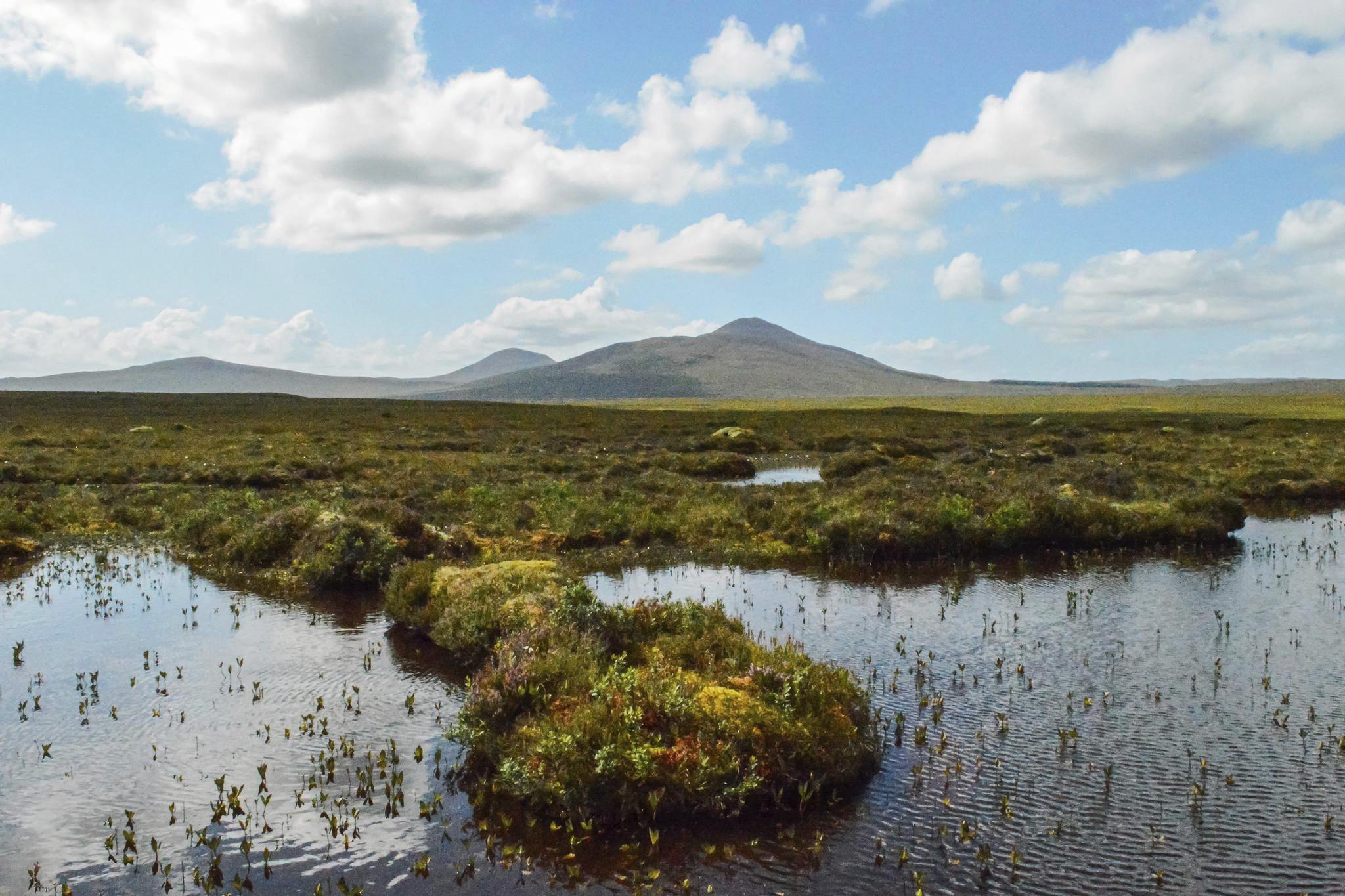
RSPB Scotland Forsinard Flows NNR
Visit the home of rare bird species like Red-throated Divers and Common Scoter, fascinating lizards and insect-eating plants.

Flow Country viewpoints
Choose one of several fantastic viewpoints to enjoy sweeping vistas of a landscape shaped by peatland, lochs, hills and blanket bog.
Heart of Neolithic Orkney
Built by the prehistoric people of Orkney around 5,000 years ago, marvel at stone monuments and landmarks that still survive today.
Off the north coast of Scotland, the Heart of Neolithic Orkney brings together four key monumental sites near Stromness on the Orkney Mainland: Skara Brae, Maeshowe, the Stones of Stenness and the Ring of Brodgar. These outstanding examples of architecture illustrate a significant stage in human history – a time when the first large ceremonial monuments were built. These ancient sites are not only fascinating to visit today, but they also provide incredible insights into life in prehistoric Orkney.
Visit the Heart of Neolithic Orkney and you’ll get a real sense of place as you see how the sites highlight the ancient landscapes around them. Take your time, watch how the changing light, weather and seasons affect them, and imagine what it must have been like to use these monuments thousands of years ago.
Find out more about the Heart of Neolithic Orkney with Historic Environment Scotland
Skara Brae, Orkney
Experience Neolithic Orkney
Get up close to history as you visit the four sites that are part of the Heart of Neolithic Orkney. Feel a coastal breeze at the sunken village of Skara Brae, wonder at the height and scale of ancient stone circles and see the setting sun illuminate a chambered tomb.

Skara Brae
Wind your way through historic buildings and picture Neolithic life right on the coast of Orkney.
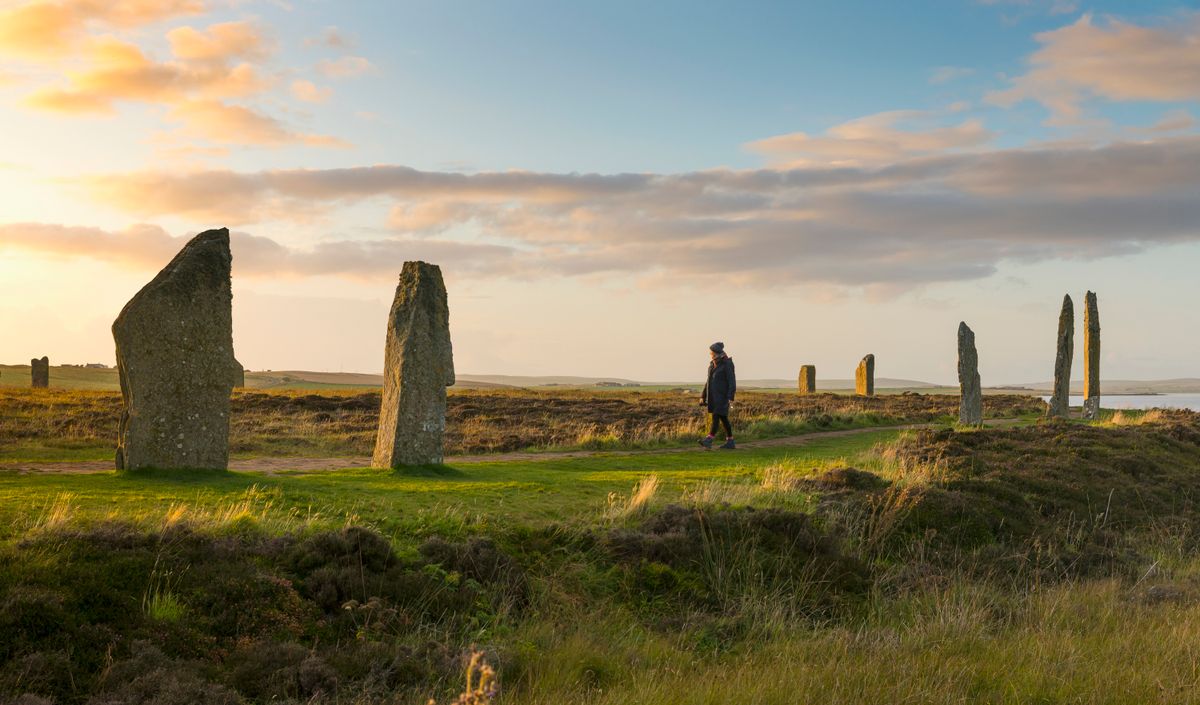
Ring of Brodgar
Embrace the feeling of mystery and awe as you walk around the third largest stone circle in the British Isles.

Maeshowe
Take a guided tour of this chambered tomb and let the walk through the long passageway take you back in time.

Stones of Stenness
Visit one of Orkney's most famous sites and watch the sunset bathe the remnants of this ancient stone circle in different colours.
New Lanark
A place ahead of its time, visit the birthplace of social reforms such as shorter working days and comprehensive education for children.
New Lanark was founded in 1785 by David Dale, a Glasgow banker and entrepreneur, and Richard Arkwright, the inventor and pioneer of industrial cotton spinning. When Dale’s son-in-law, Robert Owen, took over after 15 years, he turned the cotton mill into a world-renowned blueprint for what could be the ideal working and living environment for workers and their families.
Today, New Lanark is an exceptional example of a purpose-built 18th century mill village, less than an hour’s drive away from Glasgow. Thanks to an ongoing process of conservation and rehabilitation spanning almost half a century, the appearance of the village today is still close to that of the early 19th century. Visit the award-winning restored attraction to see this progressive story brought to life in a series of buildings, exhibitions and attractions and discover how one man improved the lives of generations of families.
Plan a trip to the New Lanark World Heritage Site
Base yourself in the Clyde Valley to visit New Lanark
New Lanark World Heritage Site
Discover the best local attractions and experiences
Take full advantage of the New Lanark Experience to get a glimpse of 18th century life and understand why New Lanark still matters today. Stay a bit longer and go for a walk in the nearby wildlife reserve for a breath of fresh air or treat yourself to a delicious afternoon tea.
Falls of Clyde Wildlife Reserve
Walk along the River Clyde to find spectacular waterfalls, a variety of birdlife and maybe even otters!
New Lanark Experience
Enjoy a day of immersive exhibitions, old mill buildings and a historic classroom where kids can dress up.
Scottish Tea House
Book a tea tour through their Lanarkshire tea garden, take part in a guided tea tasting or sit back and savour a traditional Scottish afternoon tea.
Old & New Towns of Edinburgh
Experience how the dramatic contrast of its Old and New Towns shapes the historic heart of Edinburgh, one of the most striking and architecturally significant in the world.
Incorporated into a landscape of crags, dips and rolling hills, Edinburgh offers a constantly changing range of perspectives. From the turreted skyline of the medieval Old Town with its towering tenements to the neat and ordered grid of the neoclassical New Town, a new discovery is waiting whichever way you turn.
Go on an adventure through the labyrinthine closes and vennels of the Old Town and admire the grand symmetry and elegant boulevards of the New Town. Visit some of the world-renowned museums and galleries which tell the story of the people who have built, worked and lived in these streets and buildings, and find out how spots such as private dining rooms and libraries have become incredible eateries, places to stay and impressive stores.
Discover Edinburgh’s UNESCO World Heritage Site

Uitzicht vanaf Calton Hill op het stadscentrum, Edinburgh
Explore the Old and New Towns of Edinburgh
Peep into the medieval nooks and crannies of the narrow cobbled wynds and closes of the Old Town, then take a fascinating walk in the New Town admiring its grand architecture and elegance.
The Royal Mile
Connecting Edinburgh Castle and Holyrood Palace, the Royal Mile is brimming with ancient buildings and hidden closes.
The Real Mary King's Close
Go underground for a memorable glimpse into life in the Old Town throughout the centuries.
New Town
Laze in the sun in Princes Street Gardens or savour the view from Calton Hill.
Museum of Edinburgh
A deep dive into the history of Edinburgh awaits at this free museum, told through fascinating objects like the original plans for the New Town.
St Kilda
Immerse yourself in a place of rare beauty and drama, with untouched landscapes, thrilling boat trips and an array of birdlife to spot.
St Kilda is part of the Outer Hebrides, sitting to the north-west of North Uist in the Atlantic Ocean. The remote archipelago is composed of the five islands Hirta, Dùn, Soay, Boreray and Levenish. It is the UK’s only dual UNESCO Heritage Site, having been recognised for both its extraordinary natural and cultural importance. Although St Kilda is now uninhabited, people once lived and thrived here, just as they did on the main Outer Hebridean islands.
The heritage site is a protected environment which cannot accommodate many visitors. Tours by boat are available but strictly controlled. If you decide to visit the islands, you’ll have a rare experience of walking through a landscape abandoned by an entire community in 1930. Explore the haunting remains of the village in the bay on Hirta and see seabirds circling the impressive sea stacks and rugged cliffs that they call home.
Learn more about St Kilda with National Trust for Scotland

Een bovenaanzicht van de archipel van St Kilda, Buiten-Hebriden
Find out more about St Kilda
Help us protect the delicate environment of St Kilda and experience the culture and history of these islands in the wider Hebridean community. Attractions and exhibitions on the main islands of the Outer Hebrides offer fascinating insights into the history and heritage of the Hebrides.
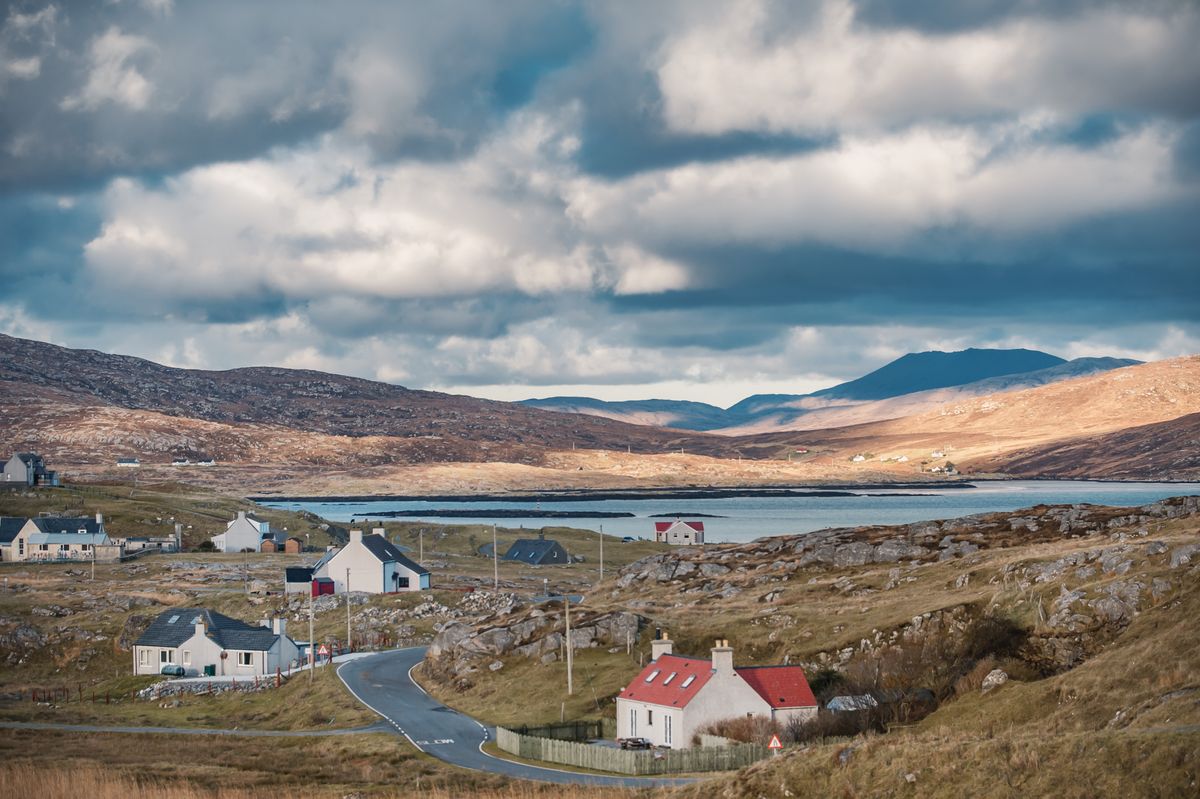
Taigh Chearsabhagh Museum & Arts Centre
Connect with the heritage of the Outer Hebrides and treat yourself in the local café before browsing the shop.

Museum nan Eilean
This museum in the grounds of Lews Castle takes you on an immersive journey through the islands’ landscapes and the stories of their people.
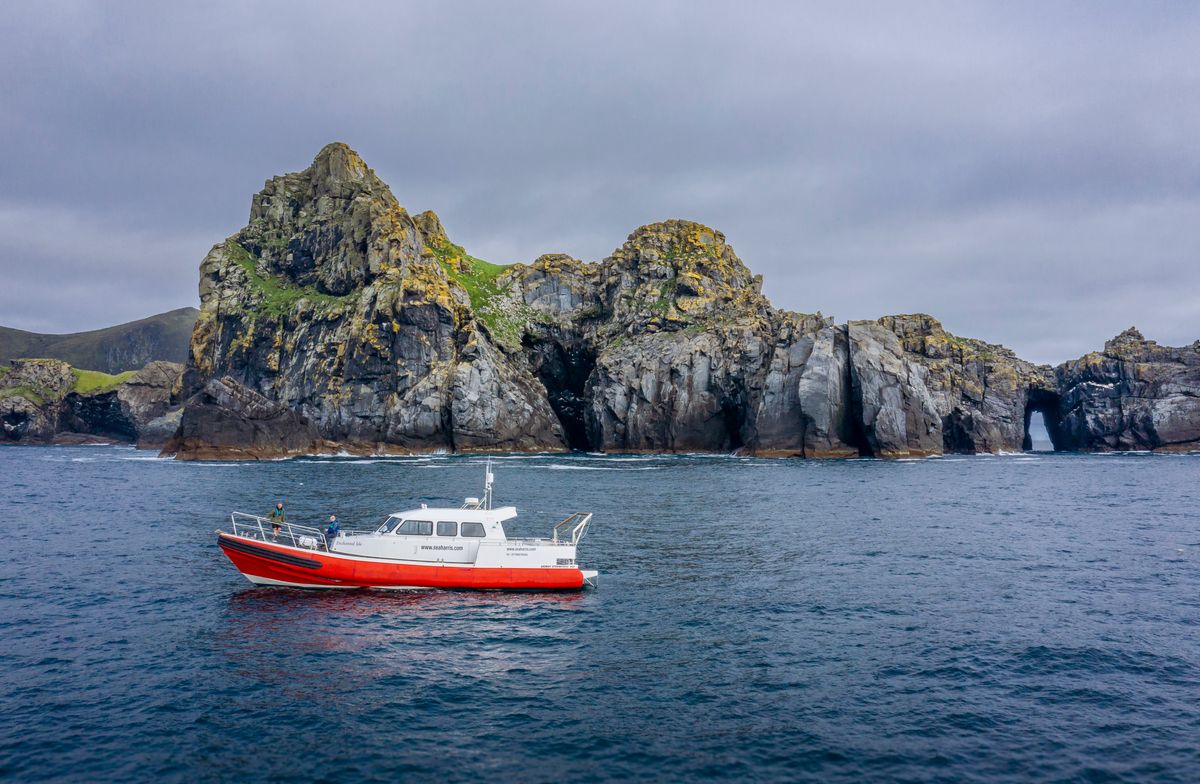
St Kilda Sea Tours
Join a boat trip out to St Kilda, taking you past impressive sea cliffs often shrouded in mist before you explore Hirta at your own pace.
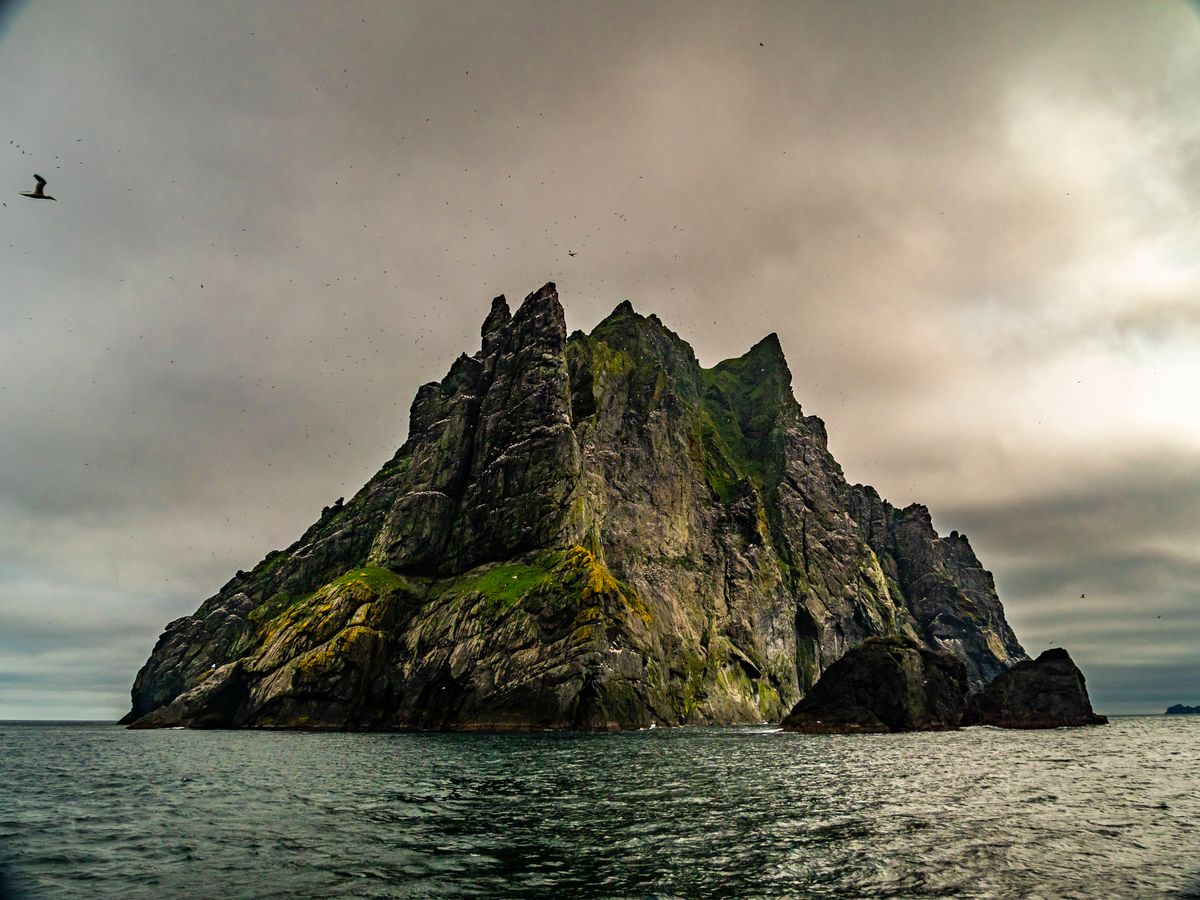
St Kilda Cruises
Admire the coast of St Kilda from the boat before discovering the main island Hirta on foot to see the schoolroom, the church and the island museum.
The Forth Bridge
The Forth Bridge is an impressive feat in engineering and has been a unique icon of Scotland since building was completed in 1890.
100 metres tall (328 feet) and 2,467 metres long (8,094 feet), the Forth Bridge is an unmistakeable landmark stretching proudly across the Firth of Forth only a few miles north-east of Edinburgh. It was the first major structure to be built from mild steel, held together by millions of rivets. Today, the bridge still plays a key role in connecting both sides of the Firth of Forth with around 200 trains crossing it every day.
Walk along the shore of the Firth of Forth to admire the sheer scale of the remarkable red cantilevers. Take the train from Dalmeny station in South Queensferry to North Queensferry to see the impressive construction up close or book a boat tour for an extra special experience. Hear the gentle lapping of the waves against the hull as the boat takes you ever closer to the Forth Bridge, Forth Road Bridge and Queensferry Crossing so you can see them from an entirely new perspective.
Discover the Forth Bridge UNESCO World Heritage Site
Visit Fife on the northern side of the Forth Bridge
De drie Forth Bridges, South Queensferry
Explore the local area
Whether you prefer a day out by boat, by bike or on foot, there are many ways to get to know the local area while enjoying spectacular views of the Forth Bridge. Follow a trail to the best views, get out on the water, or visit the charming villages either side of the bridge.

The Forth Bridges Trail
Walk or cycle along this circular route to find the best viewpoints overlooking the iconic Forth Bridges.
Sightseeing Cruise
Watch the Edinburgh skyline appear on the horizon and maybe even spot seals and dolphins on a boat trip to see the bridges up close.

South Queensferry
Wander through this pretty village in the shadow of the Forth Bridge, stopping at one of the restaurants and delightful shops for a charming day out.
North Queensferry
Feel the fresh sea air and marvel at the bridges jutting out into the Firth of Forth from the rocky northern shore of this picturesque village.