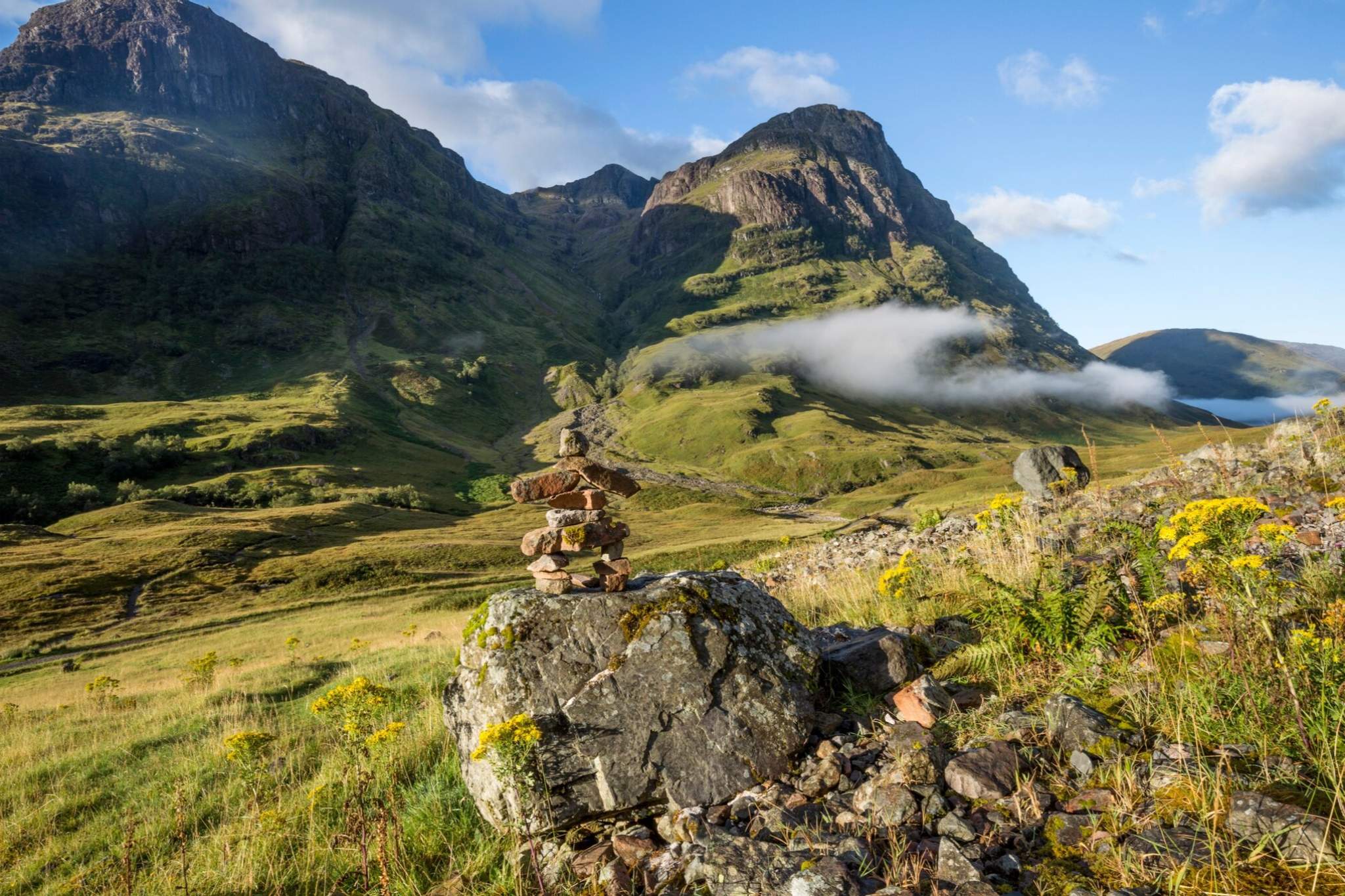
Le Three Sisters, Glencoe
© VisitScotland / Kenny Lam
Che cos'è un clan?
Pochi aspetti della storia scozzese sono così colorati - e sanguinosi - come il sistema dei clan. Originato dalle tradizioni celtiche, norrene o normanno-francesi, il sistema dei clan era saldamente radicato nelle Highlands scozzesi già nel XIII secolo. Il termine “clan” deriva dal gaelico e significa “famiglia” o “figli”, ma non tutti i membri del clan erano effettivamente imparentati tra loro. I clan vivevano della loro terra e il bestiame era la loro più grande risorsa. Oltre alle dispute sui confini tra i territori dei clan, il bestiame era la principale causa di conflitto tra i clan. I capi clan più importanti dell'epoca erano un misto tra re, patrono e giudice per quanto riguarda il loro potere e le loro funzioni e avevano una grande influenza sulle terre che controllavano.
La battaglia di Culloden e le Highland Clearances
Il sistema rimase in gran parte intatto fino alla sanguinosa battaglia di Culloden nel 1746, quando l'insurrezione giacobita venne spietatamente soppressa dalle truppe reali di re Giorgio II. A questo punto, il miglioramento delle relazioni commerciali e delle comunicazioni tra i clan del nord e quelli del sud stava già portando alla diluizione del sistema dei clan. Le famigerate Highland Clearances, in cui gran parte della popolazione fu espulsa dalle Highlands scozzesi, furono il colpo di grazia finale, a seguito del quale migliaia di lavoratori agricoli scozzesi emigrarono in terre lontane.
I clan oggi
Oggi molti clan si possono far risalire a una zona specifica della Scozia, per esempio i MacLeod di Skye, i MacNeil di Barra o i MacNab di San Fillan sul Loch Earn. Se hai legami ancestrali e un passato connesso ai clan della Scozia, un viaggio nella patria del tuo clan sarà per te un'esperienza unica e davvero commovente.
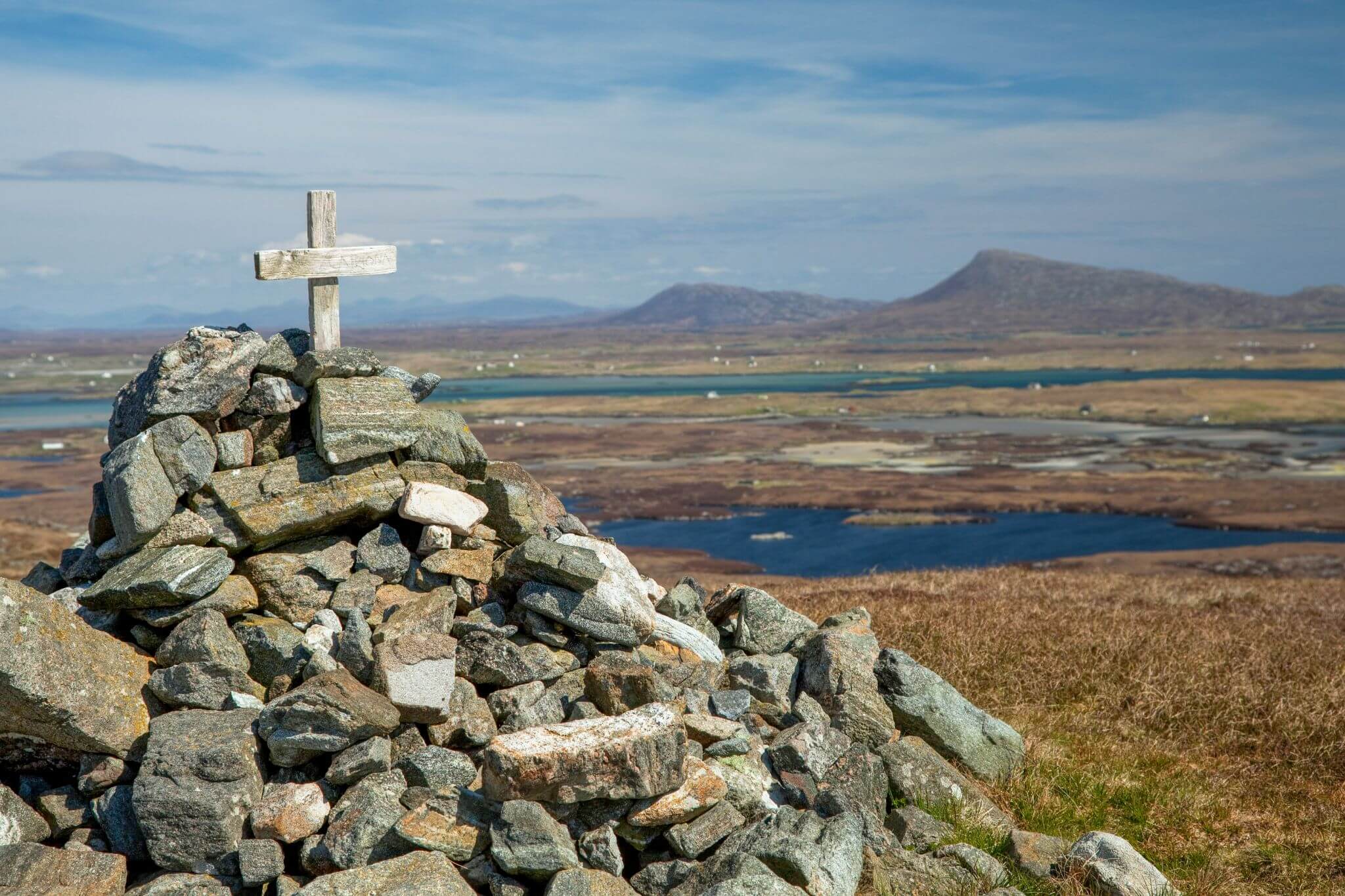
La pietra commemorativa del Clan Mackintosh, Highlands
Da dove derivano i nomi dei clan?
Spesso si presume che le persone con un nome di clan fossero discendenti diretti del capo clan. Tuttavia, era anche comune adottare il cognome di un clan per segnalare la solidarietà e la lealtà con il clan dopo aver acquisito una terra.
A parte i legami con clan specifici, le origini dei cognomi scozzesi sono molto diverse. Un nome può anche essere scritto in modo diverso, poiché per molto tempo non esistevano regole ortografiche standardizzate. Per questo motivo oggi ne esistono così tante versioni diverse: McNeil, ad esempio, esiste anche come McNeill, MacNeil, MacNèill, MacNeill e McNeal.
Origini gaeliche
Anche la lingua gaelica ha influenzato i nomi scozzesi, ad esempio nomi come Craig (dal gaelico creag, che significa “roccia”) e Cameron (da cam e sròn = camshròin: “naso storto”).
Legami familiari
Allo stesso tempo, esistono anche i cosiddetti patronimici, ossia nomi derivati dal nome del padre. Ad esempio, se Peter ha un figlio di nome Giovanni, a Giovanni viene dato il cognome Peterson (Peter's son, figlio di Peter). I nomi possono anche derivare dalla regione in cui si viveva, ad esempio Murray dalla regione di Moray, nel nord-est della Scozia.
Le occupazioni
Anche le professioni hanno avuto un ruolo nello sviluppo dei cognomi, ad esempio Baxter (fornaio), Webster (tessitore) e Brewster (birraio). Anche le influenze norrene (Gunn) si riflettono nei cognomi, così come l'immigrazione dall'Irlanda nel XIX secolo (Daly o Dailly).