
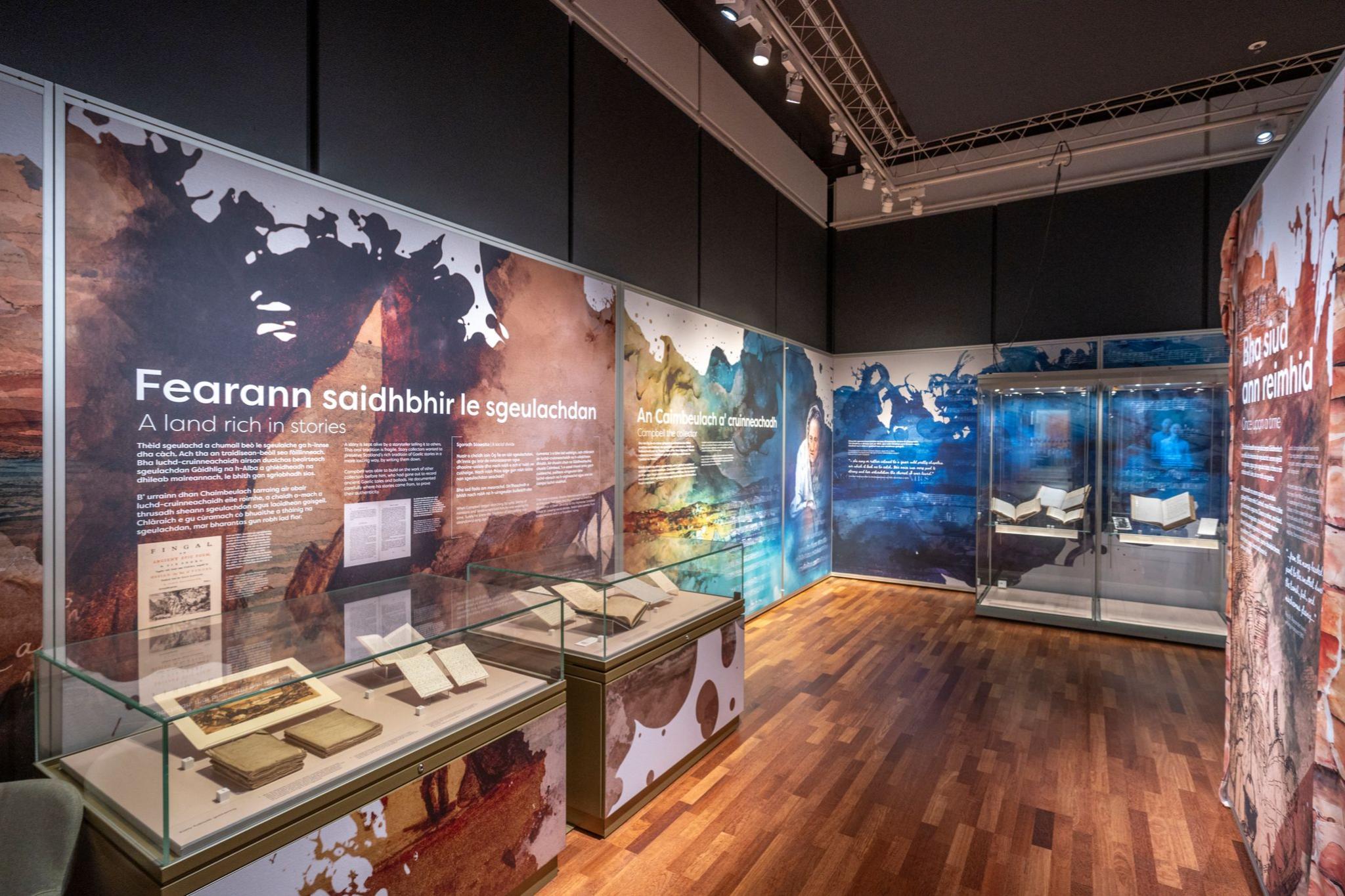
National Library of Scotland
VisitScotland / Phil Wilkinson
The history of Scottish Gaelic
Discover the history of Scottish Gaelic, one of Scotland’s official languages.
Where did Scottish Gaelic come from?
Gaelic originated around the 5th century in areas including north-east Ulster and the north-west coastlines of Ireland. Spoken by the Gaels, it spread to the islands of Caledonia (modern-day Scotland) over time.
Today, it forms part of a wider family of six surviving Celtic languages: Scottish Gaelic, Irish, Welsh, Breton, Cornish, and Manx.
Scottish Gaelic: Explained
Discover how Gaelic left its mark on Scotland, from place names to music and tradition, and why it still matters today.
JavaScript needs to be enabled to watch this video. You can turn this on in your browser settings.
JavaScript needs to be enabled to watch this video. You can turn this on in your browser settings.
Scotland's native language
Where can I experience Gaelic in Scotland?
The further north in Scotland you go, the more likely you are to come across strong ties to Gaelic roots and history. On your travels, keep an eye out for road signs where you can see the English and Gaelic translation of various place names.
Outer Hebrides
Gaelic remains interlaced into everyday island life in the Outer Hebrides. Across Lewis, Harris, Uist and Barra, you can experience a living culture shaped by crofting traditions, music, storytelling and strong community ties. From ancient standing stones and traditional blackhouses to contemporary arts venues and local festivals, the islands offer a deep connection to Scotland’s Gaelic heritage against a backdrop of extraordinary coastal scenery.
- Calanais Standing Stones & Visitor Centre, Isle of Lewis
- Museum & Tasglann nan Eilean & Gearranan, Isle of Lewis
- Ceòlas Sgoil Shamhraid, South Uist
- An Lanntair, Isle of Lewis
- Ness Historical Society, Isle of Lewis
- Taigh Chearsabhagh Museum & Arts Centre, North Uist
- Kisimul Castle, Barra
- Isle of Harris Distillery
Did you know? If you order your coffee or tea in Gaelic at An Taigh Cèilidh in Stornoway, you get 10% off.
The Calanais Standing Stones on the Isle of Lewis
Isle of Skye
Dramatic landscapes, local traditions and island heritage are closely connected to the Gaelic language on the Isle of Skye. Explore castles, museums, community cafés and cultural centres while discovering the stories, poetry and traditions that continue to shape island life today. From the Cuillin mountains to quiet coastal townships, Gaelic remains an important part of Skye’s identity and sense of place.
- Dunvegan Castle, Skye
- Skye Museum of Island Life
- Sabhal Mòr Ostaig Gaelic Poetry Path , Skye
- Café Cùil, Skye
- Carmina Gadelica, Portree
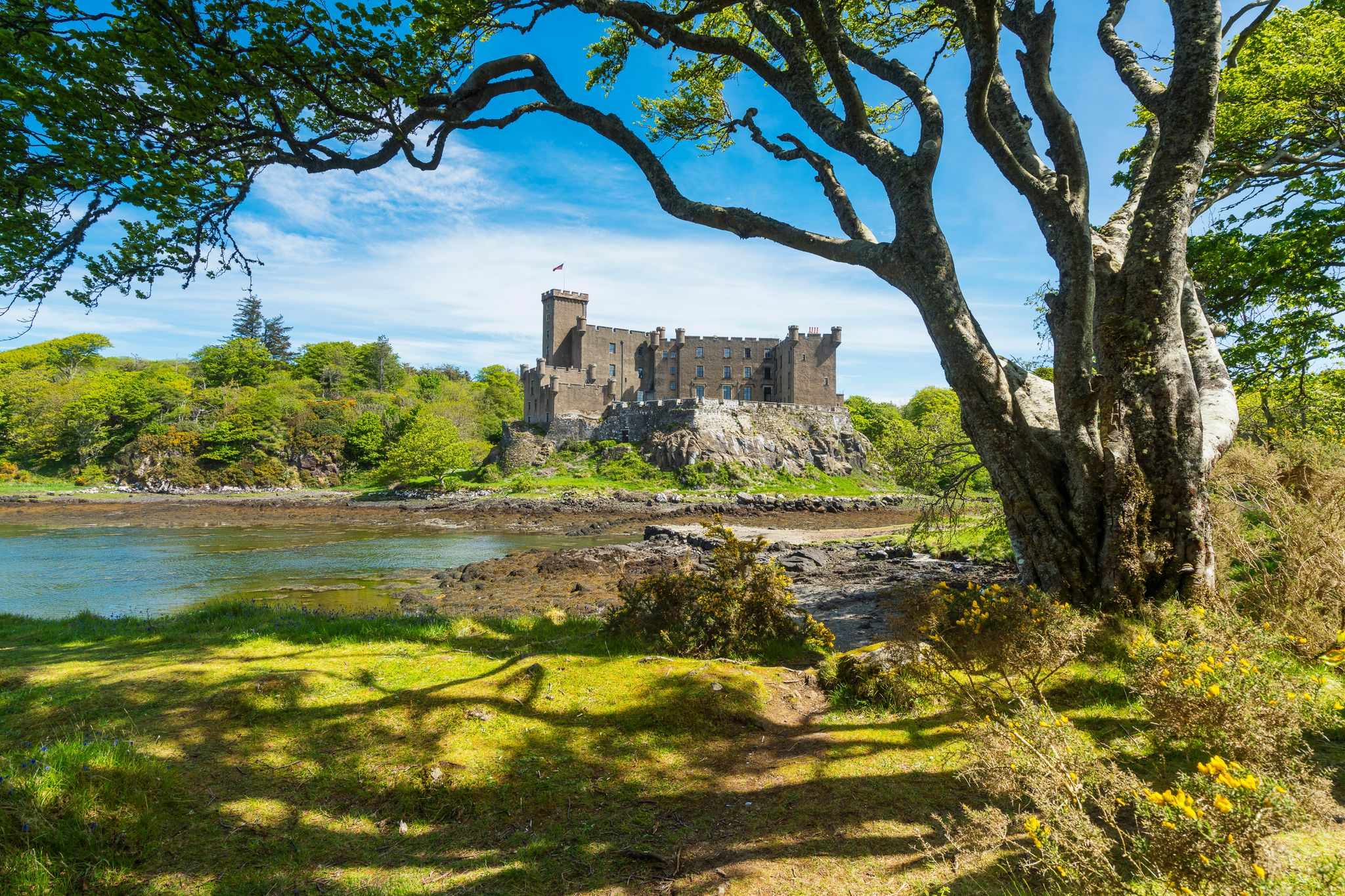
Dunvegan Castle and Gardens
The Scottish Highlands and Argyll
Gaelic has long shaped the landscapes, traditions and place names of the Highlands and Argyll. Explore ancient sites, museums, castles and nature-based experiences that offer a deeper insight into the region’s rich cultural heritage. From Argyll’s historic coastal kingdoms to the glens and forests of the Highlands, discover how Gaelic language, music and traditions continue to leave their imprint on the region today.
- Dundreggan Rewilding Centre, Glenmoriston
- Kilmartin Glen & Kilmartin Museum, near Oban
- Lismore Gaelic Heritage Centre, Isle of Lismore
- Dunollie Castle, Oban
Dundreggan Rewilding Centre
© Paul Campbell
How can I experience Gaelic in Scotland?
You can find the Gaelic language and its culture woven into many parts of everyday life in Scotland, from ancient history, place names and destinations, to events, museums, music and more.
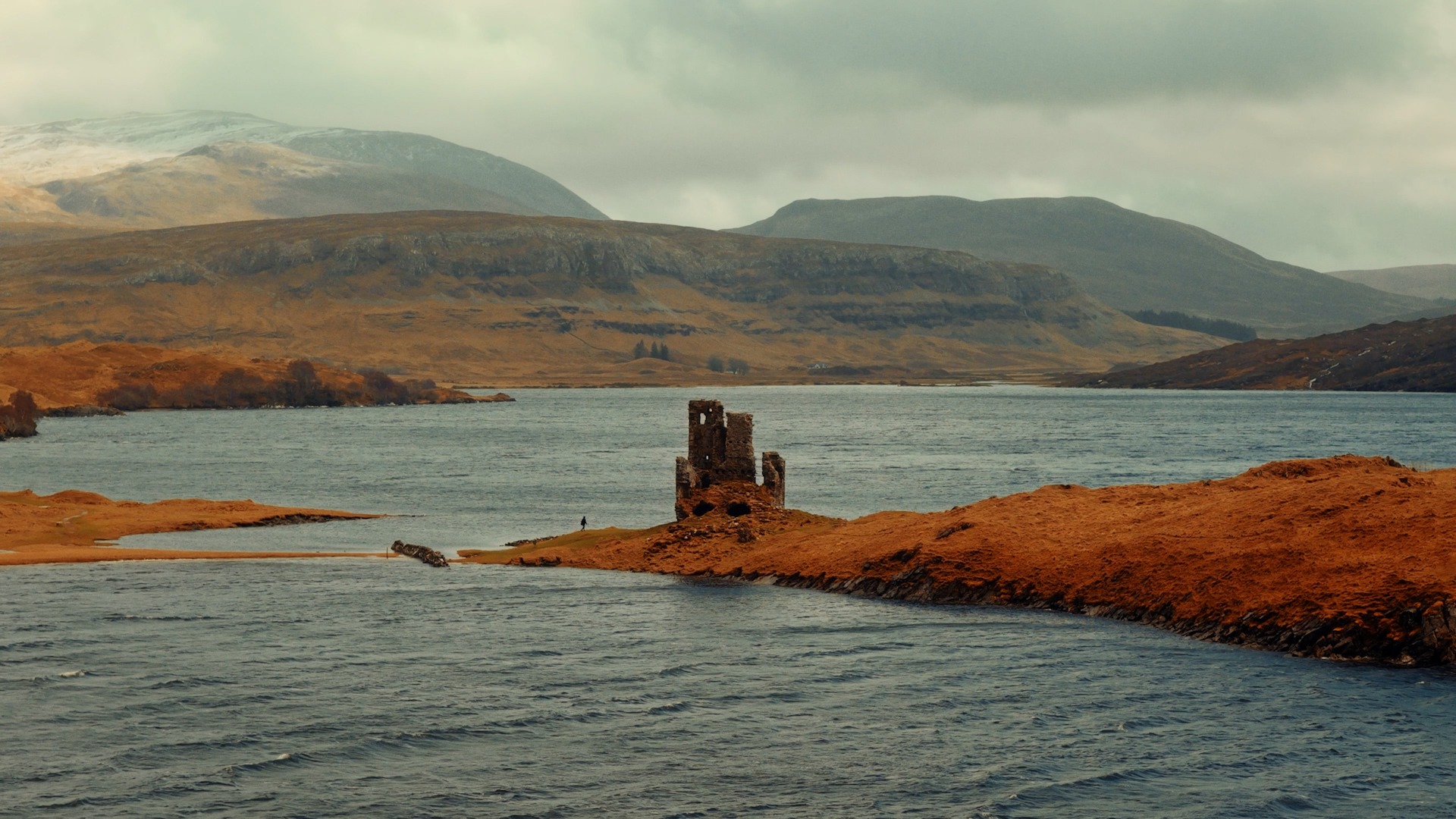
Scottish Culture and History
Uncover the heart of Scotland, where history echoes through clans and castles, archaic standing stones and lyrical Gaelic language.
Scottish Clans and Ancestry in Scotland
Ancestral voices are calling you. Whatever you already know about your Scottish heritage, there’s more waiting to be discovered.
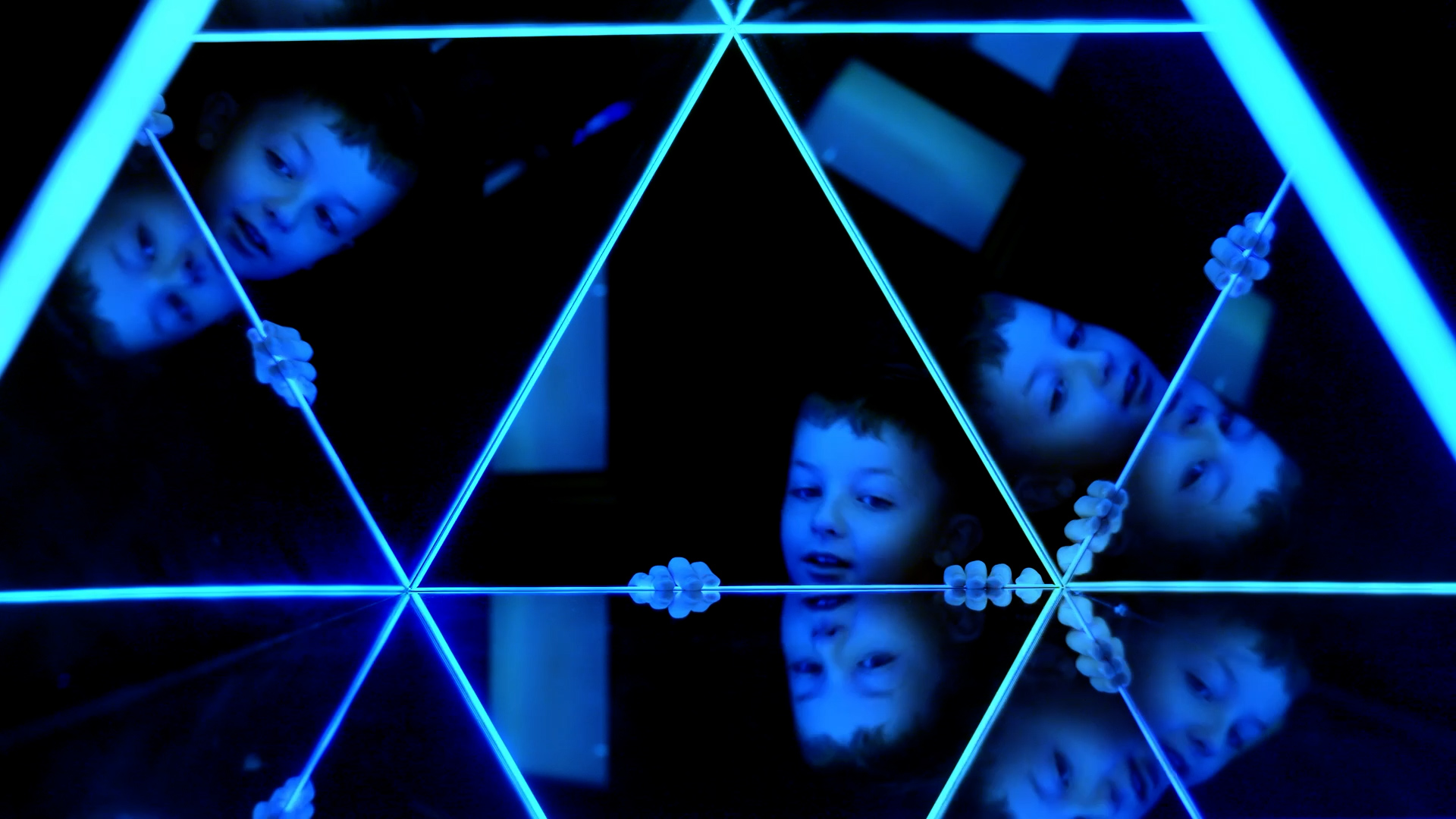
Tourist attractions in Scotland
Find information and ideas on great Scottish attractions and days out in Scotland, including castles, museums, galleries, wildlife parks.
Gaelic events & festivals
The best way to experience Gaelic is in person. From music festivals to literary gatherings, these events celebrate the Gaelic language through music, storytelling and song, and community.
- Faclan: The Hebridean Book Festival, An Lanntair, Isle of Lewis – 28 - 31 October 2026
- Mull Music Festival, Tobermory & Dervaig, Isle of Mull – 22 – 25 April 2027
- Edinburgh Tradfest – 30 April – 10 May 2027
- Fèis Ìle, Isle of Islay – 28 May – 6 June 2027
- Sound of Gigha, Isle of Gigha – June 2027
- Tiree Music Festival, Isle of Tiree – 9 - 11 July 2027
- HebCelt – Fèis Cheilteach Innse Gall, Isle of Lewis – 15 - 17 July 2027
- Ceòlas Summer School, South Uist – July 2027
- Barra Live, Isle of Barra – July 2027
- Mull of Kintyre Festival, Campbeltown – August 2027
- Blas Festival, venues across The Highlands – September 2027
- Jura Music Festival, Isle of Jura – September 2027
- Royal National Mòd, Western Isles – 8 - 16 October 2027
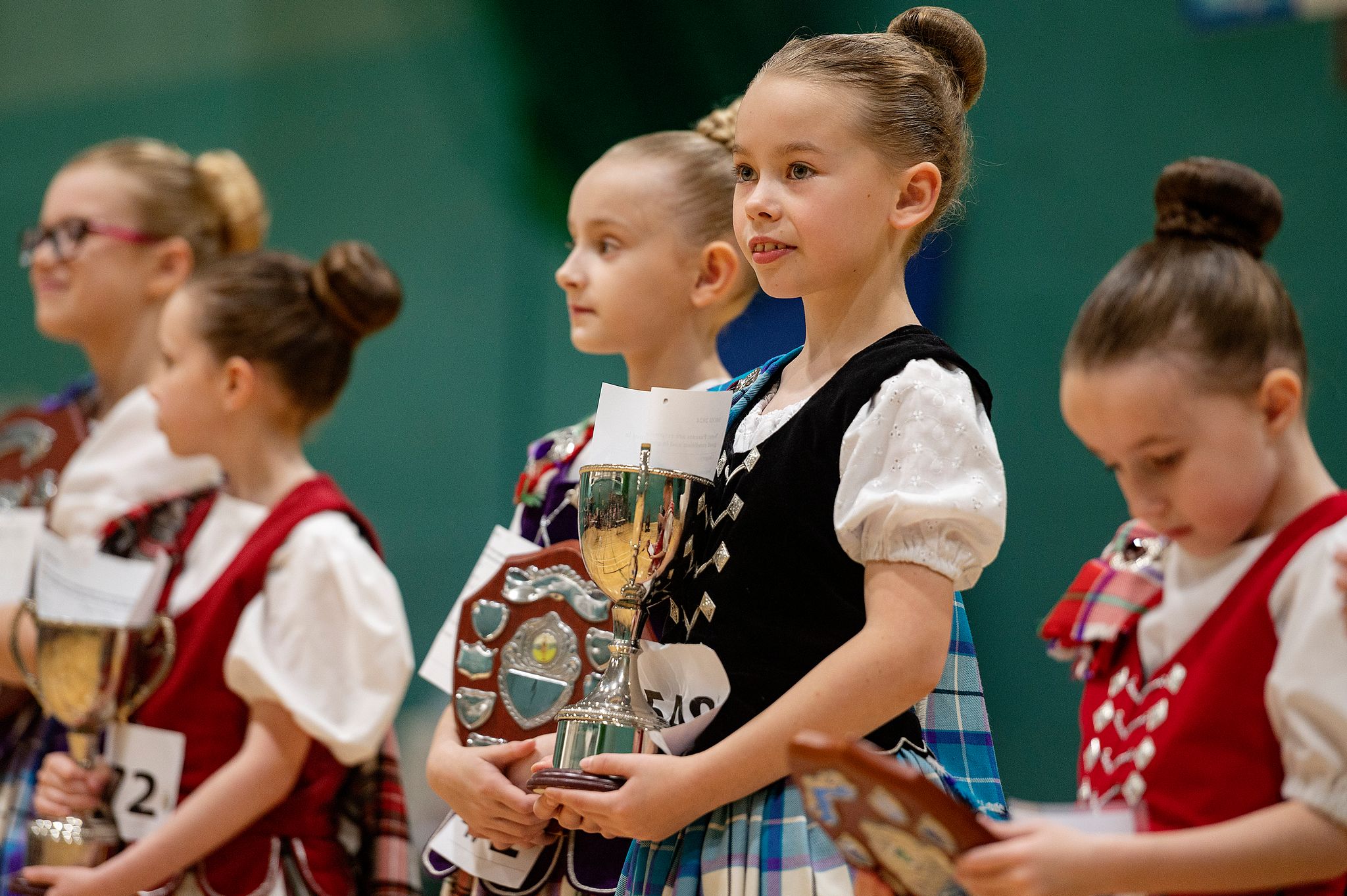
Young Highland dancers compete at the Royal National Mòd
Immerse yourself in Scotland's Gaelic culture
Delve in deeper through this series of videos exploring island landscapes, music, poetry and traditions. From Harris and South Uist to the ancient Gaelic kingdom of Fife, discover the communities and stories keeping Gaelic culture alive today.
Gaelic Islands - Music and Poetry
Meet one Seonaidh MacIntyre, one of South Uist’s talented young musicians and discover Gaelic song and music shapes island culture.
Gaelic Islands - Moor and Mountain
Watch as Calum Maclean provides an insight into the spectacular natural landscapes of Harris.
Welcome to Fife, a Gaelic Kingdom
Did you know Fife has a long and rich Gaelic history? Learn more and plan your visit to Fife.
Try a Gaelic phrase
Why not try a few words yourself? #SayAGaelicPhraseADay takes place on 26 February, and Seachdain na Gàidhlig is the perfect time to get involved.
- Fàilte! (Welcome) – FAHL chuh
- Halò! (Hello) – ha LO
- Ciamar a tha thu? (How are you? – informal) – KEE mar uh HA oo
- Tapadh leat / leibh (Thank you – informal / formal) – TA puh LYAHT / LAYV
- Slàinte mhath! (Cheers!) – SLAAN chuh VAH
- Tìoraidh! (Cheerio / Bye) – CHEE ree
- Iongantach (Amazing) – Ee-un-gun-tuch
- Càit a bheil…? (Where is…?) – KAHT uh VEL
Why not start learning Scottish Gaelic today with Duolingo?
Frequently asked questions about Gaelic in Scotland
What is Gaelic’s cultural significance in Scotland?
Where is Gaelic still spoken in Scotland?
Will I see or hear Gaelic when visiting Scotland?
Is Gaelic spoken outside Scotland?
Discover more languages in Scotland
If you master the Gaelic language, why not try out some Scots or Doric before your next visit to Scotland.
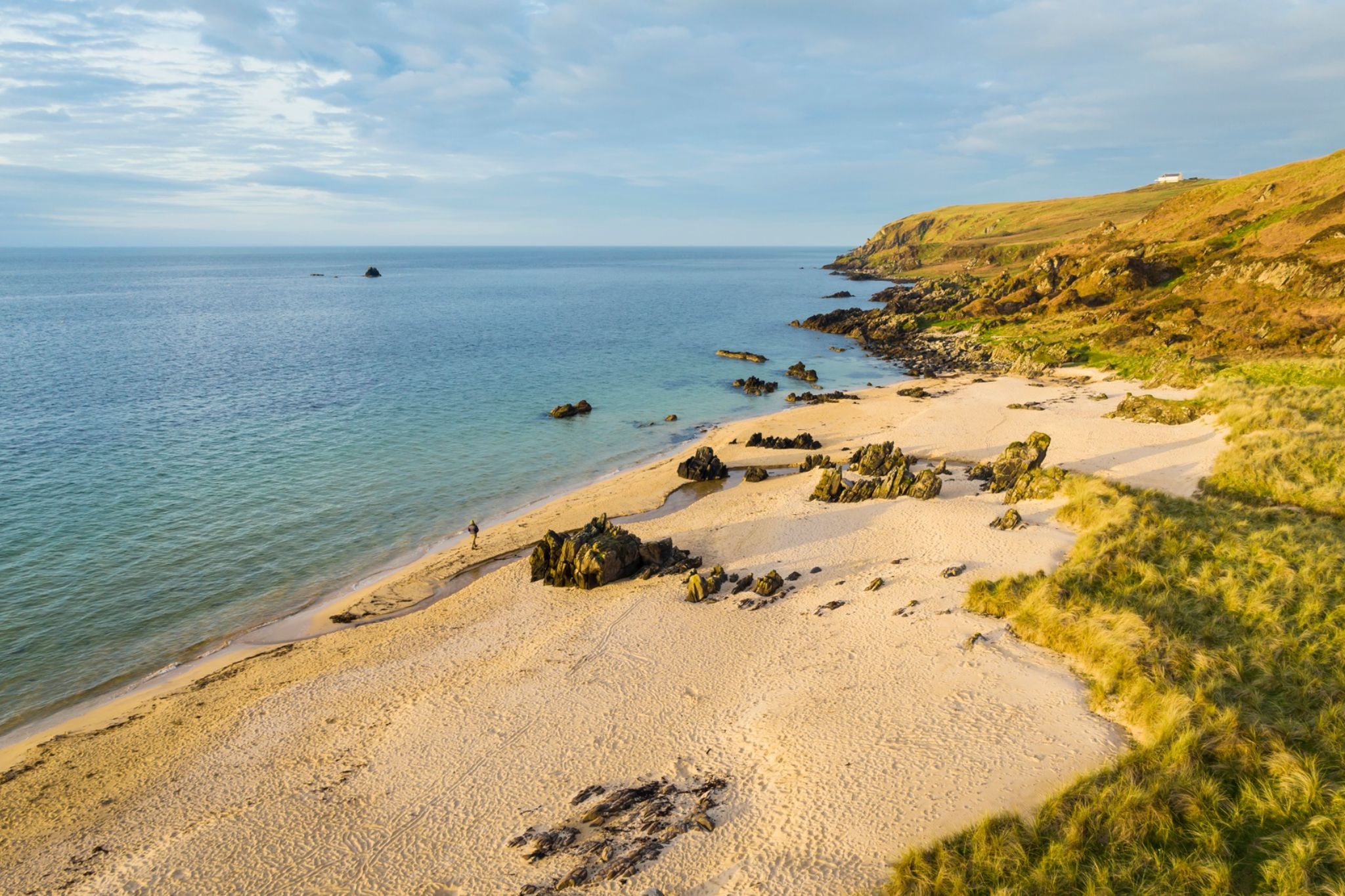
10 Tricky Scottish place names and how to pronounce them
Some are Scots, some are Gaelic, and some are even Norse. Do you know how to pronounce these puzzling place names?

18 Braw Scottish words & their meanings
Get the patter (that’s Scots for ‘banter’) with unique words and phrases and you’ll soon be speaking like a local.
Scotland's top 10 Scots poems for Burns Night
Feel inspired by celebrated writers, evocative imagery and the unique lyrical quality of the Scots language with these well-loved poems.