Start Your Story in Scotland
Where history meets breathtaking beauty, and every visit feels like an escape.
Inspiration for your trip
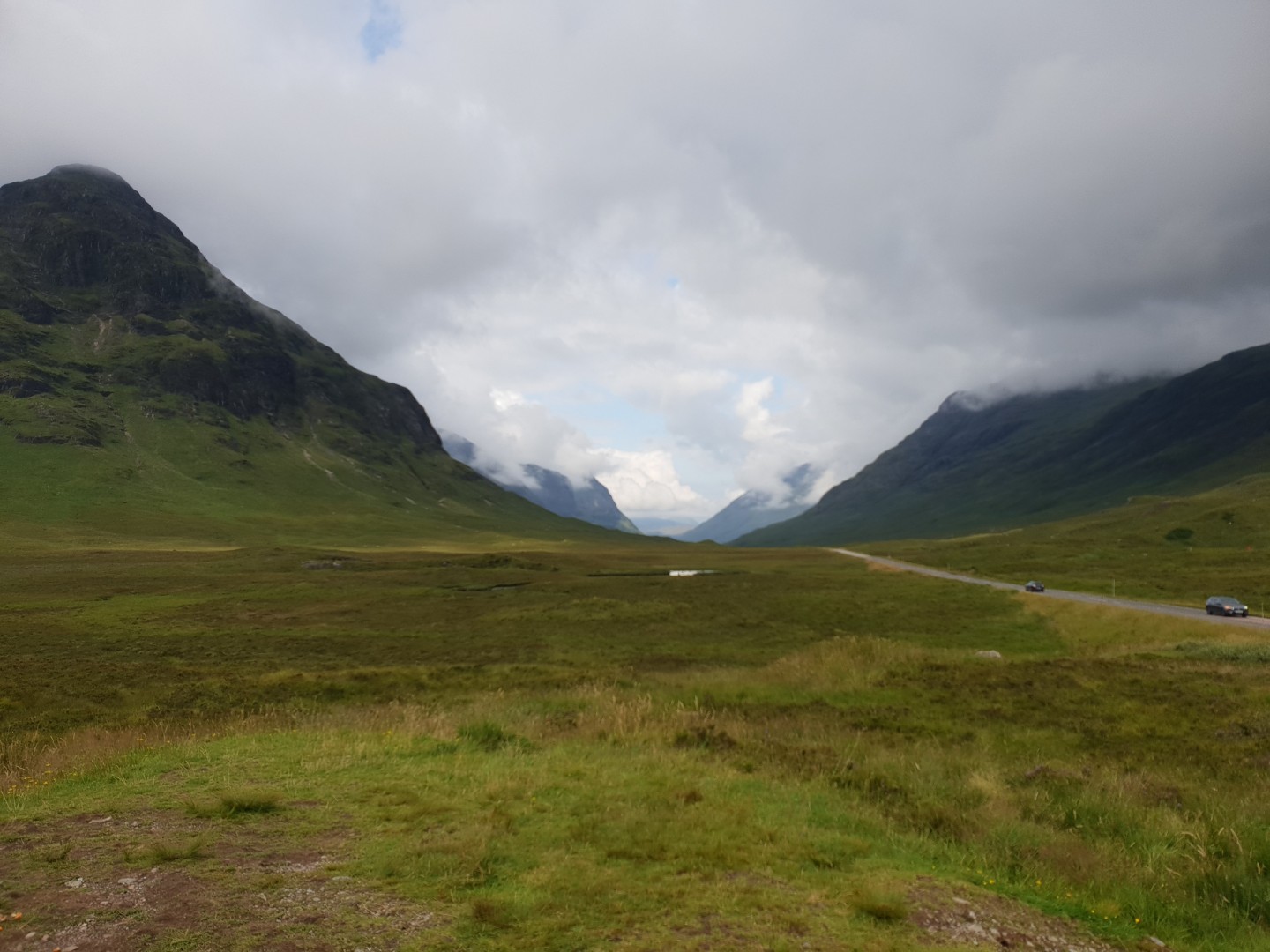
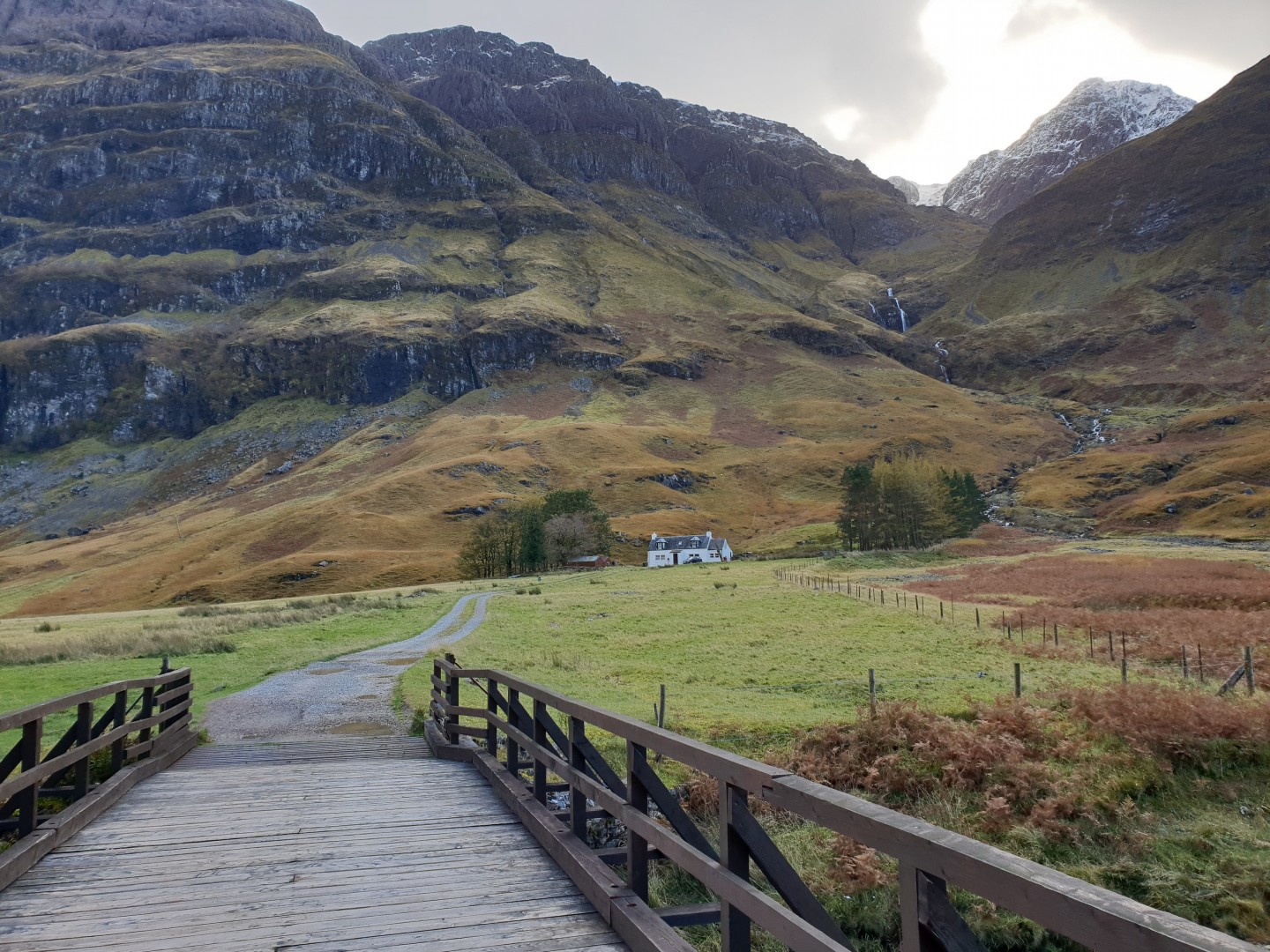
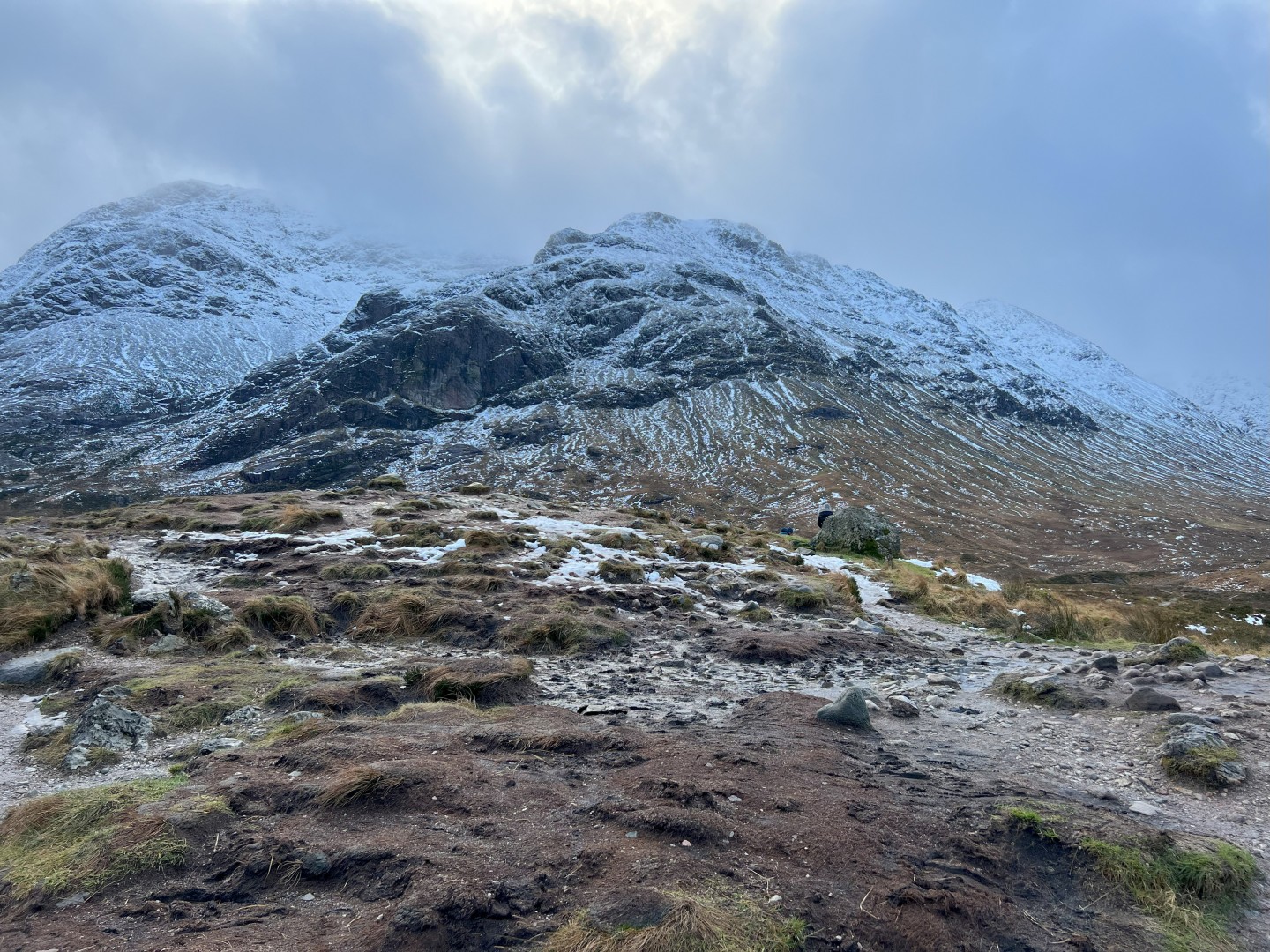
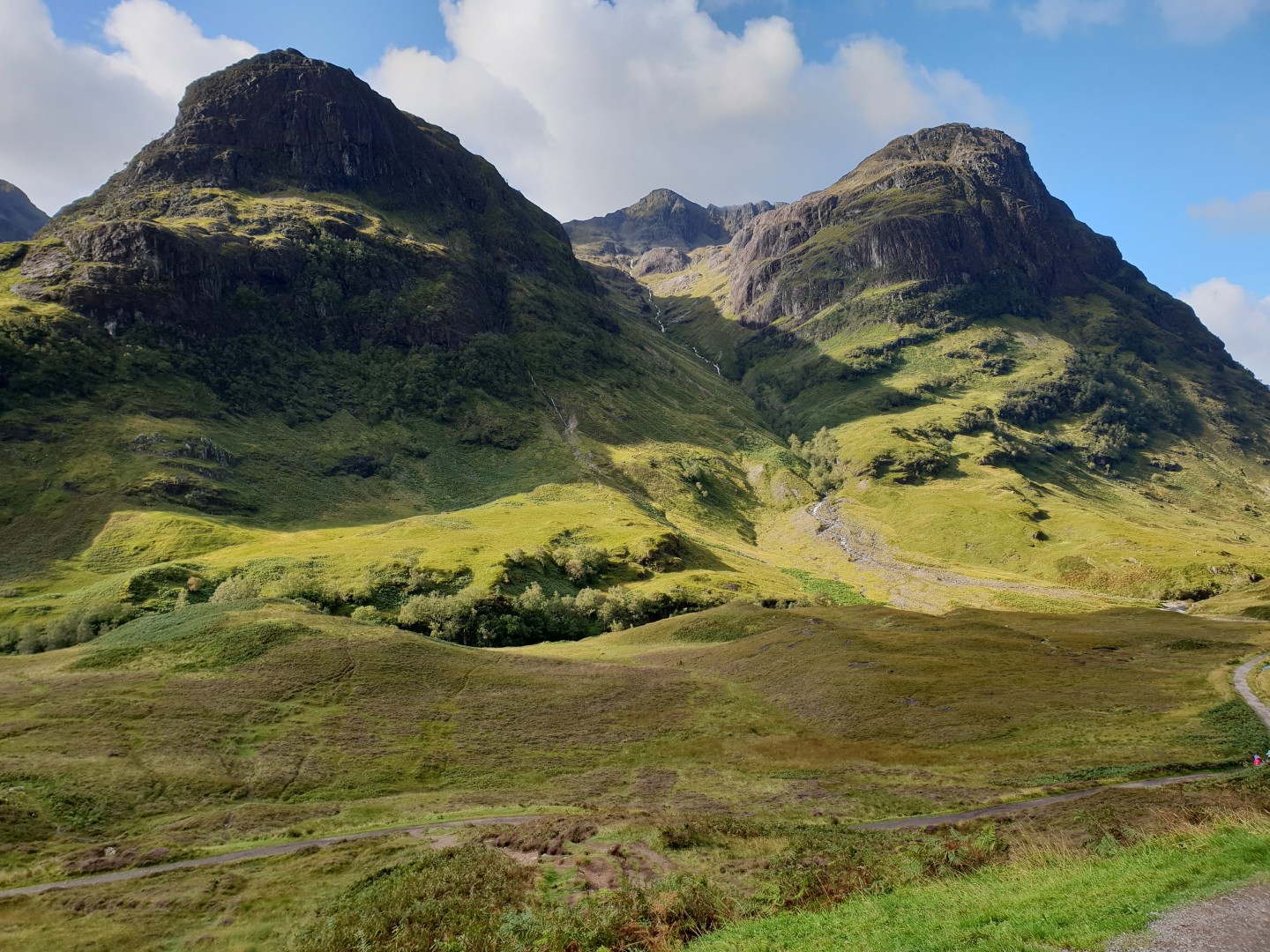
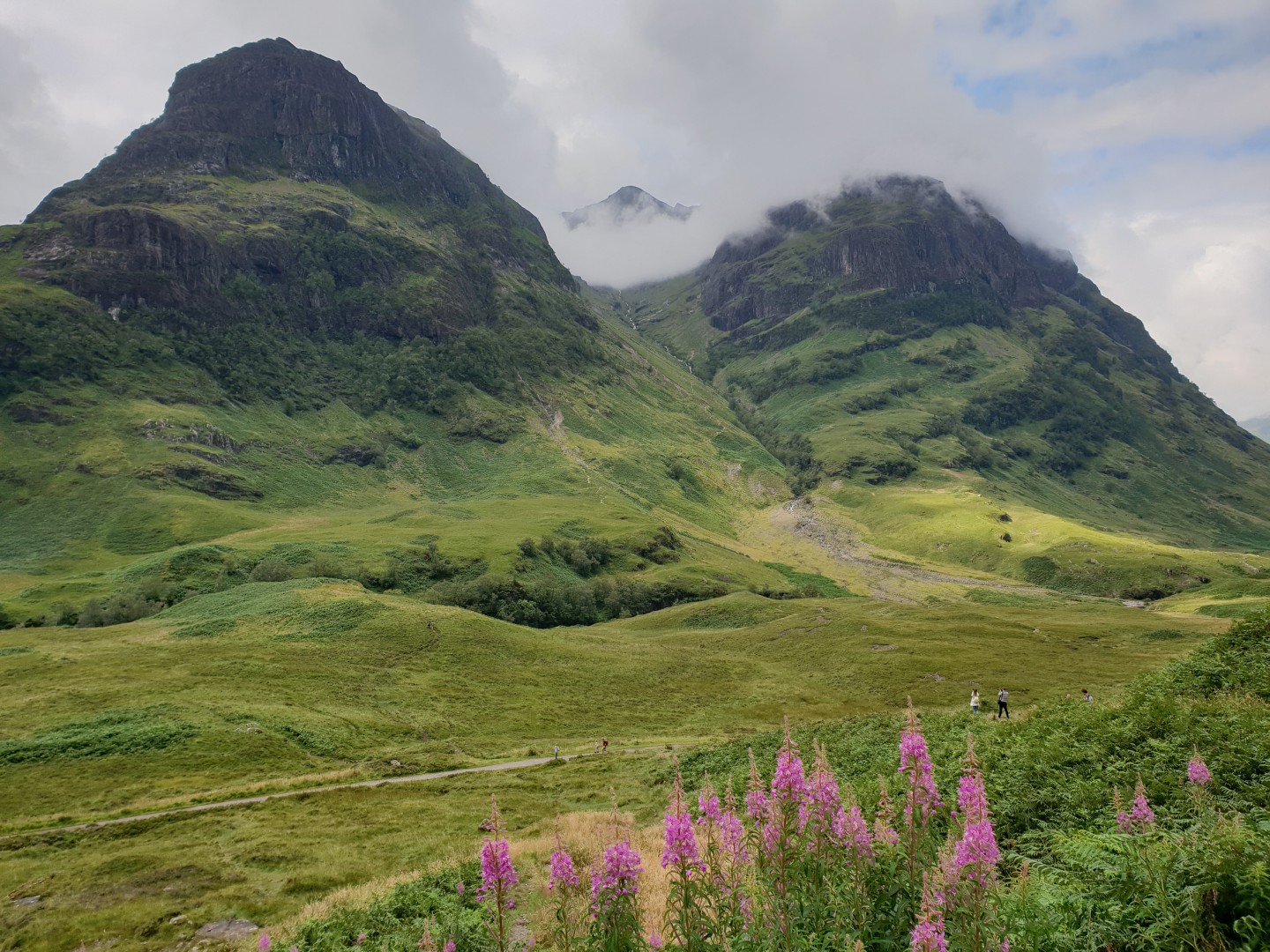
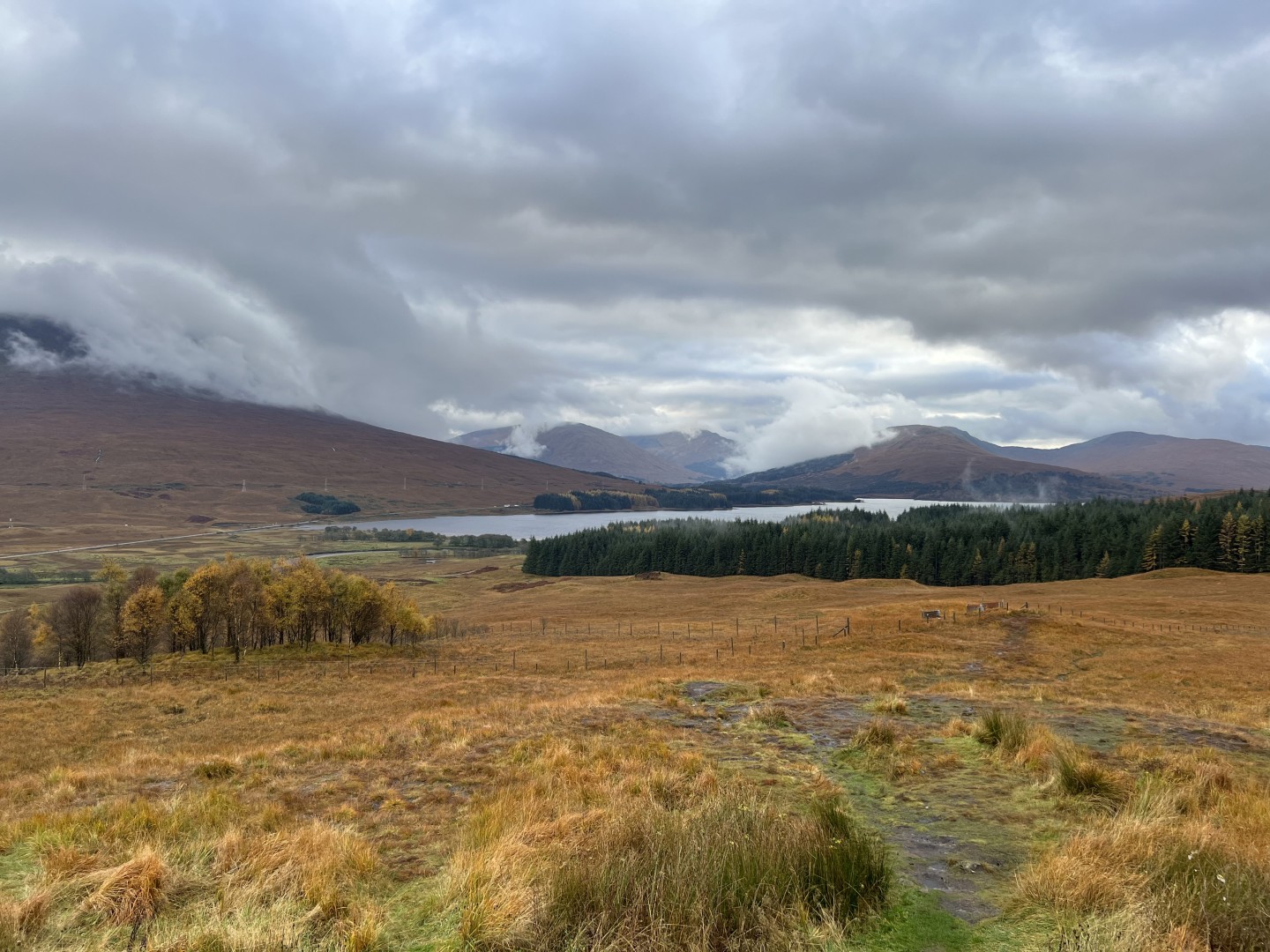
Step into a land steeped in history and legend, explore our dramatic landscapes and uncover our ancient Celtic roots. Vast lochs, glens and Munros - easily accessible from our vibrant cities and towns - make Scotland the perfect place to lose yourself.
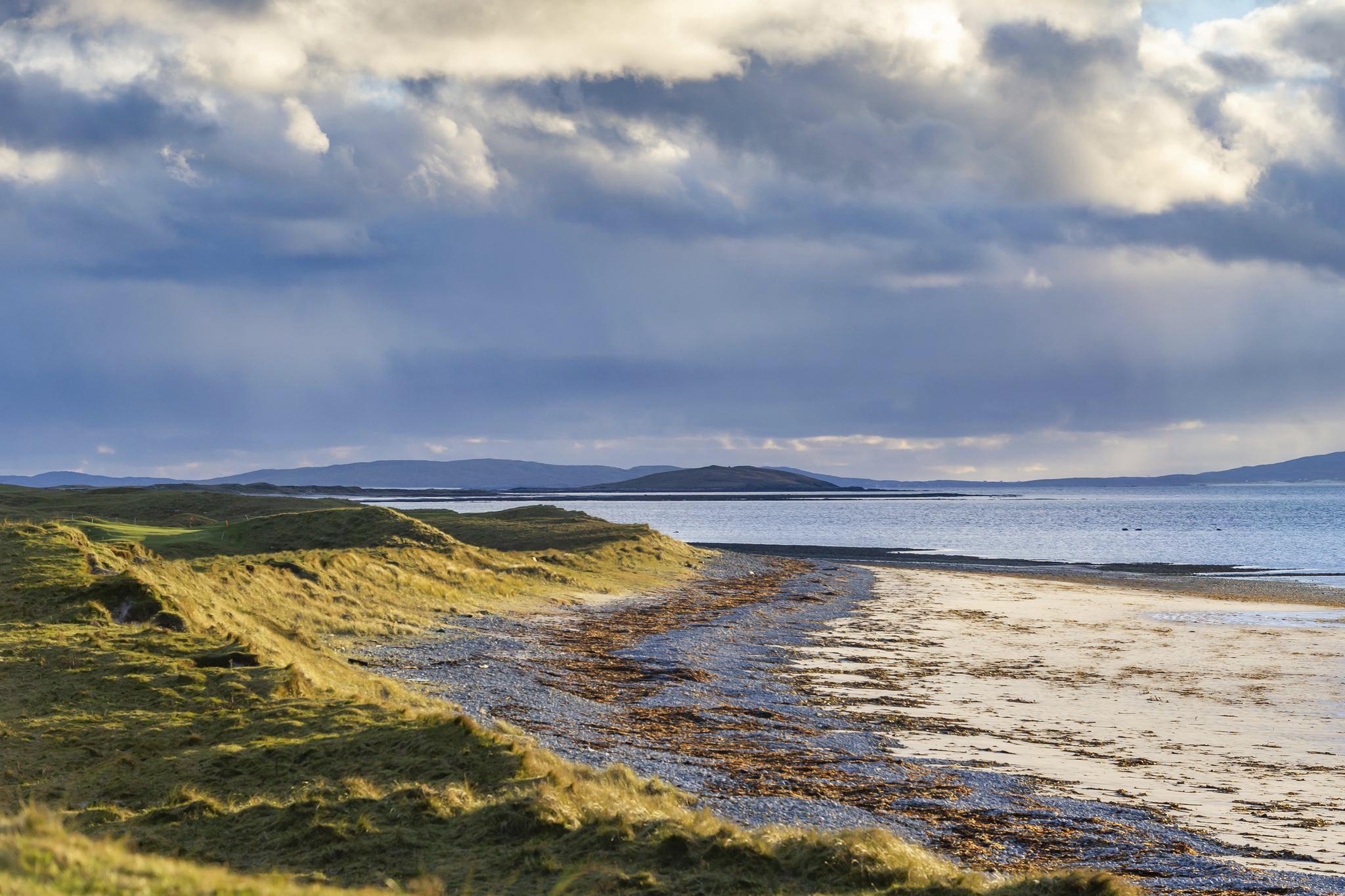
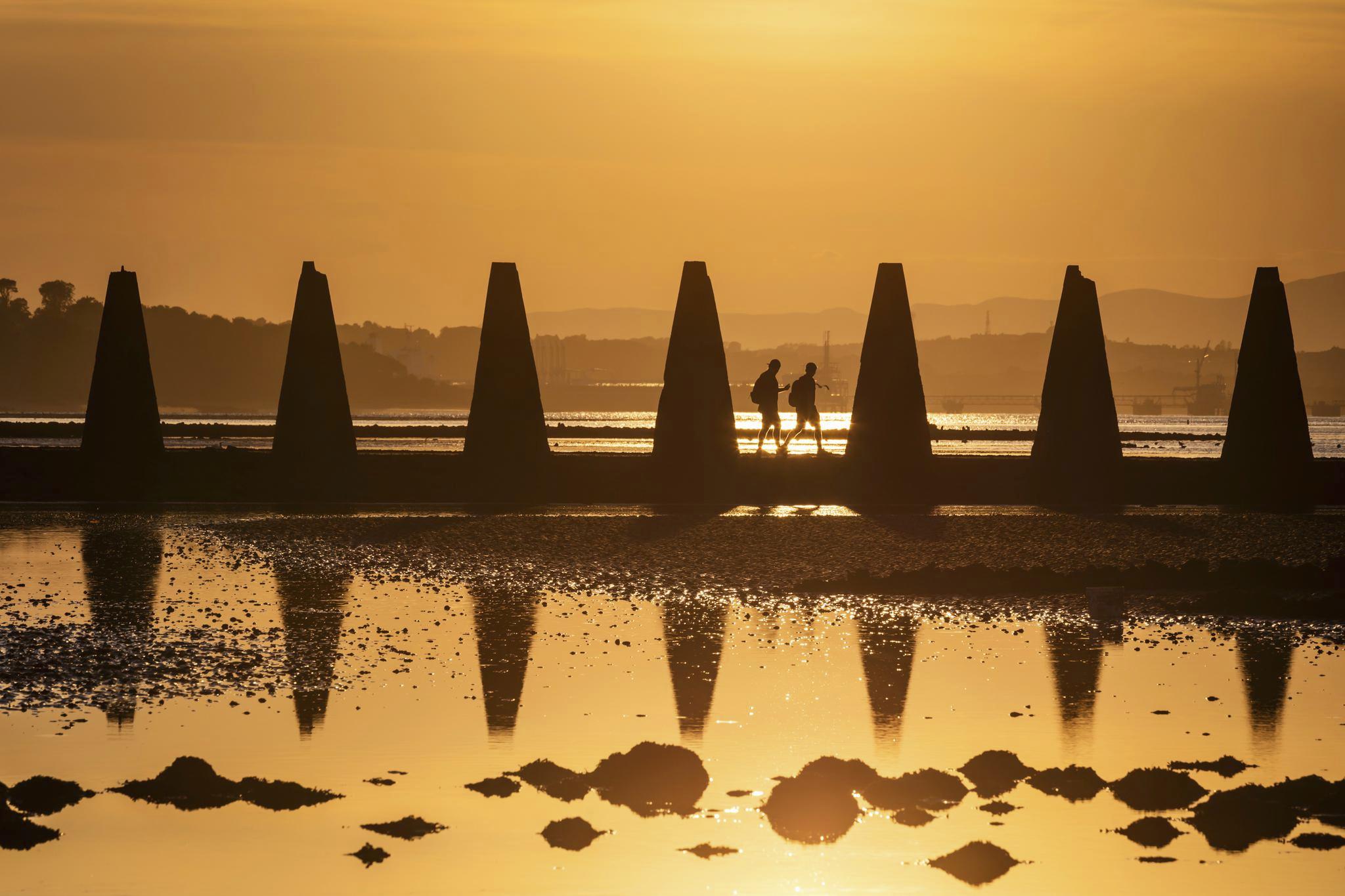
Plan an epic trip to Scotland
Come and experience Scotland’s warm welcome for yourself with an unforgettable holiday packed with beautiful landscapes, unmissable events and, of course, our friendly Scots.
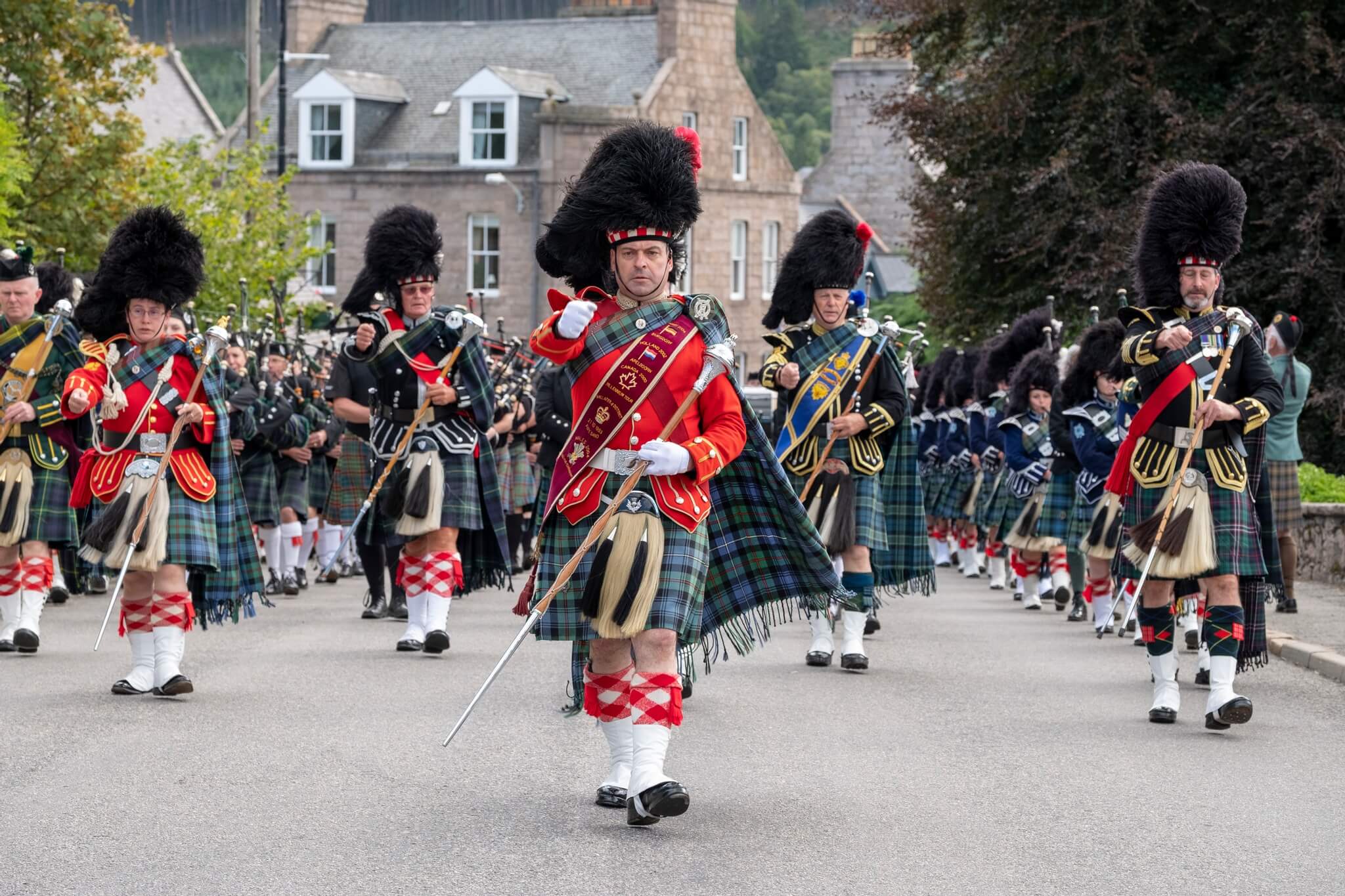
Highland games in Scotland
From the tug o' war to the caber toss, Scotland's Highland games are not to be missed.
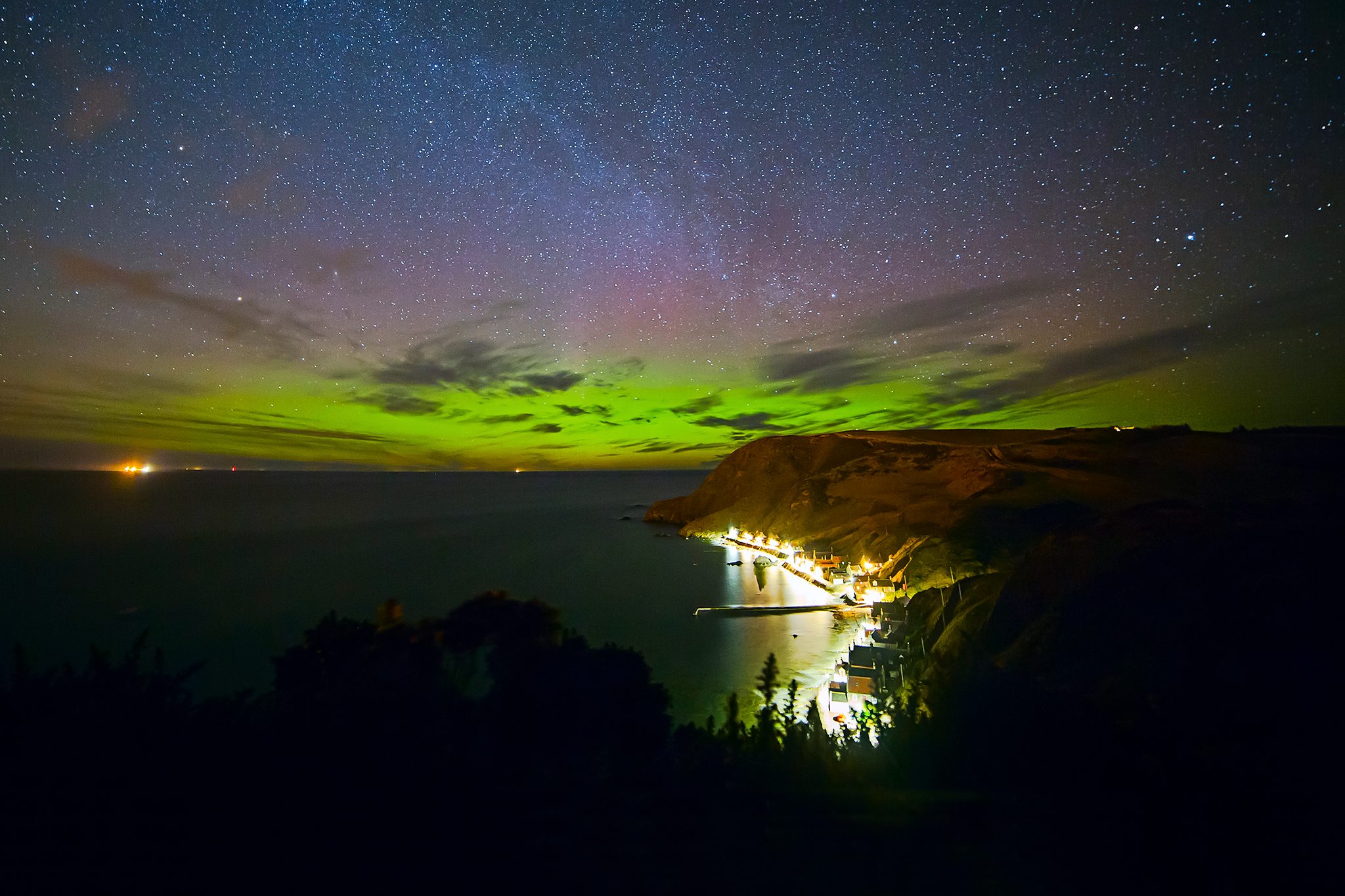
The Northern Lights in Scotland
Nature's most dramatic winter light display. Discover more about this otherworldly natural phenomenon.
Dark sky parks & stargazing in Scotland
Discover spectacular dark sky parks for stargazing in Scotland. Including a stargazing toolkit, best time of year for stargazing, and more.
Scottish whisky
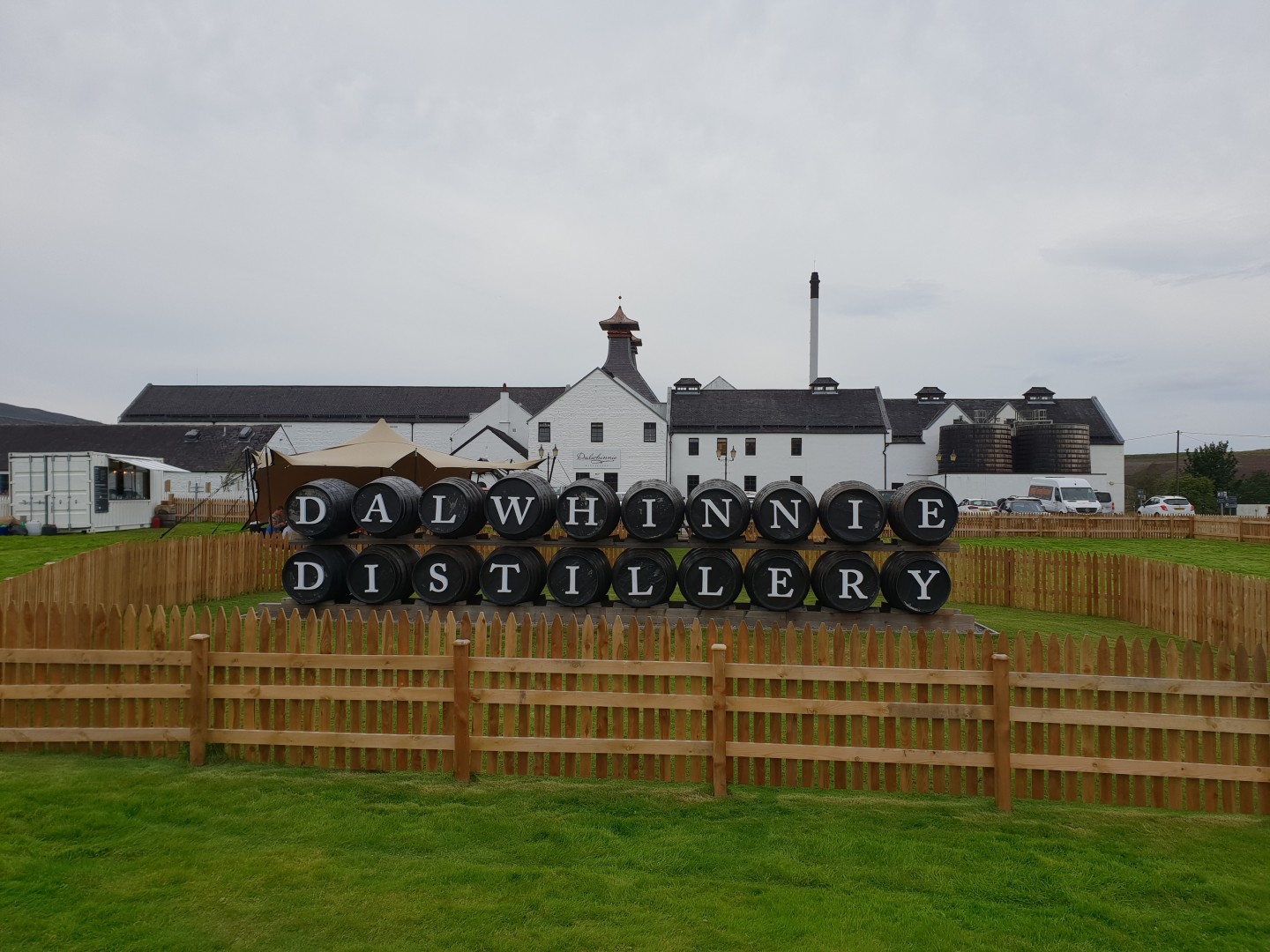
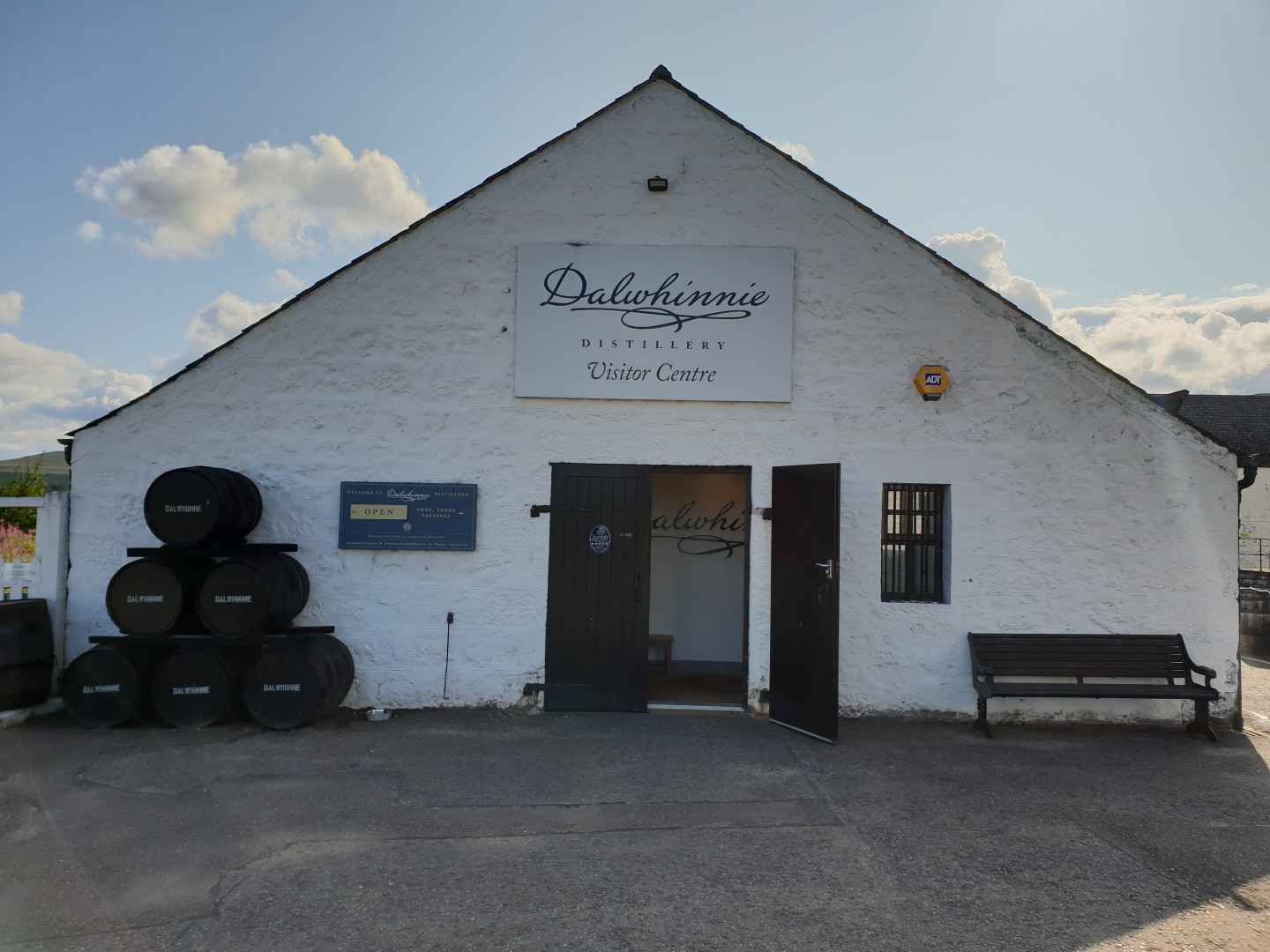
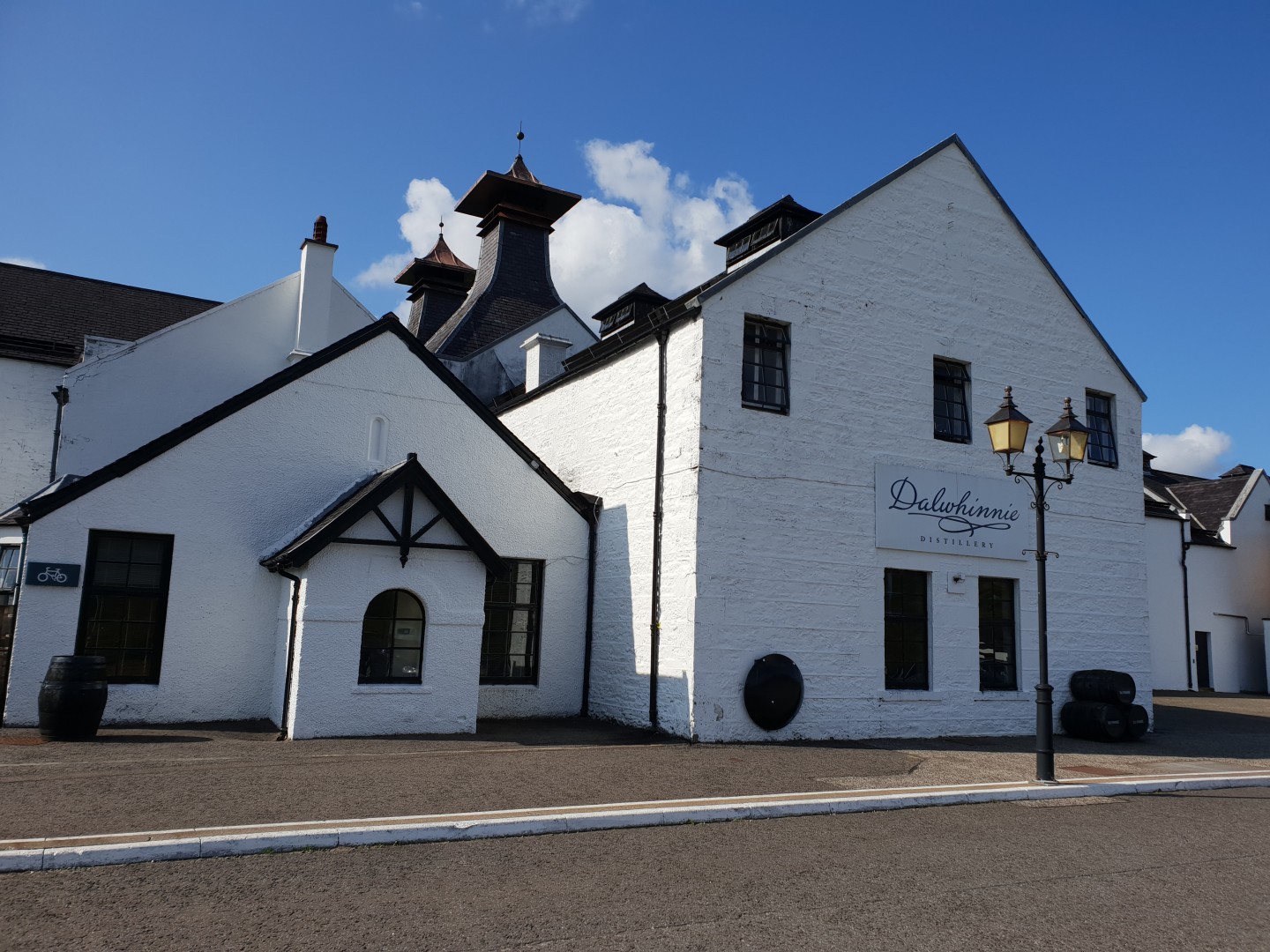
Whisky is Scotland's best known export and has been proudly produced throughout the country for hundreds of years.
Discover unique experiences in Scotland
Find hidden gems, plan your perfect trip, or find exactly what you need—from scenic hikes and cosy cottages to events and cultural experiences.
Experience Scotland's vibrant events and festivals
Get your toes tapping, experience something new, cheer on Scotland at a sporting event, uncover traditions, rich history and more at events and festivals across the country.
Scottish music festivals
See your favourite artists at this year's lineup of Scottish music festivals.
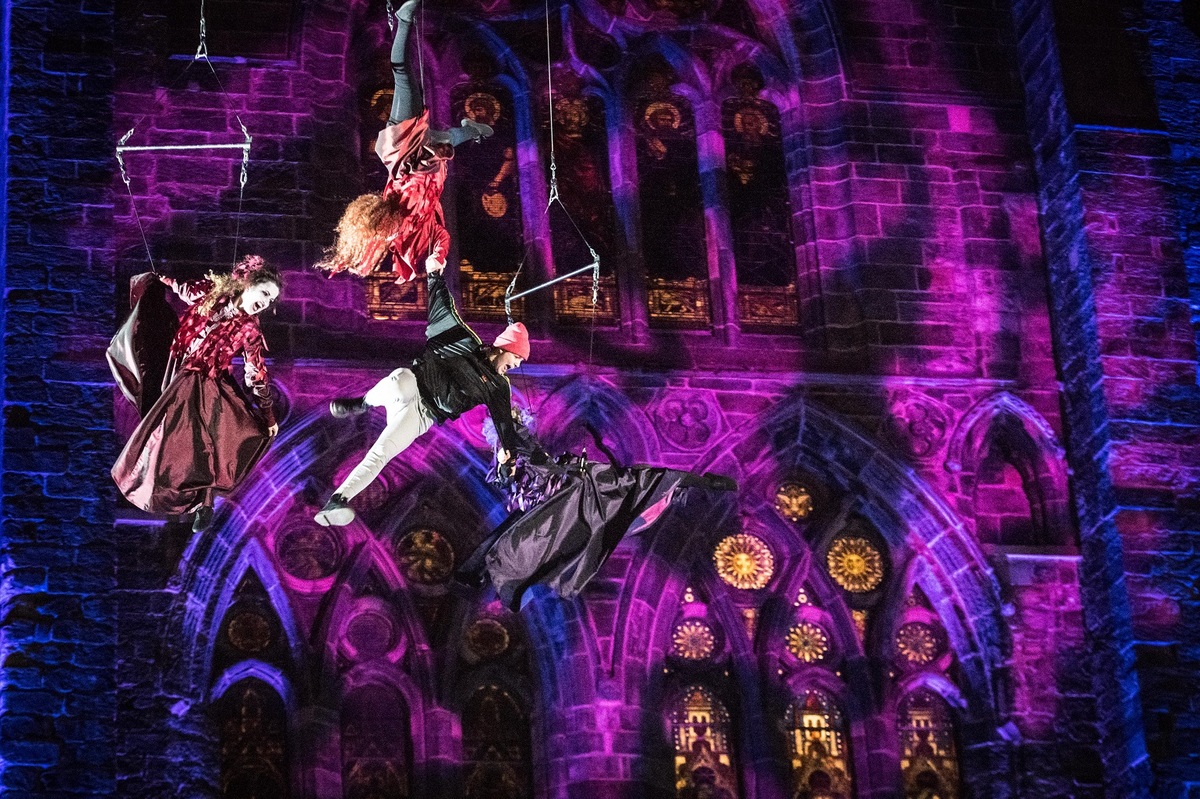
Halloween in Scotland
Discover Scotland’s Halloween happenings and connect with the Celtic roots of this spooky tradition.

Events and festivals in Scotland
There's something happening in Scotland right now that the whole family will love.
Autumn in Scotland
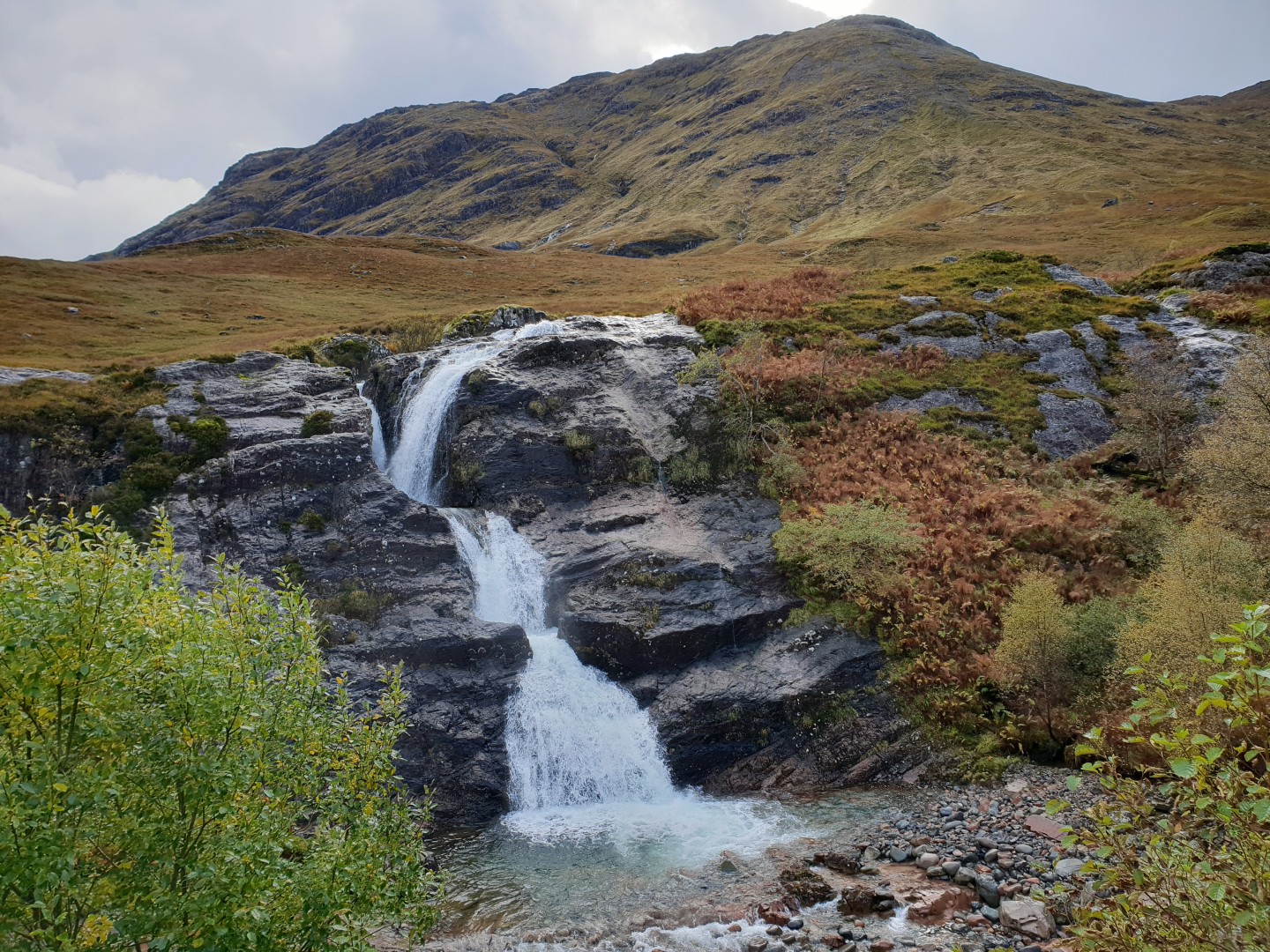
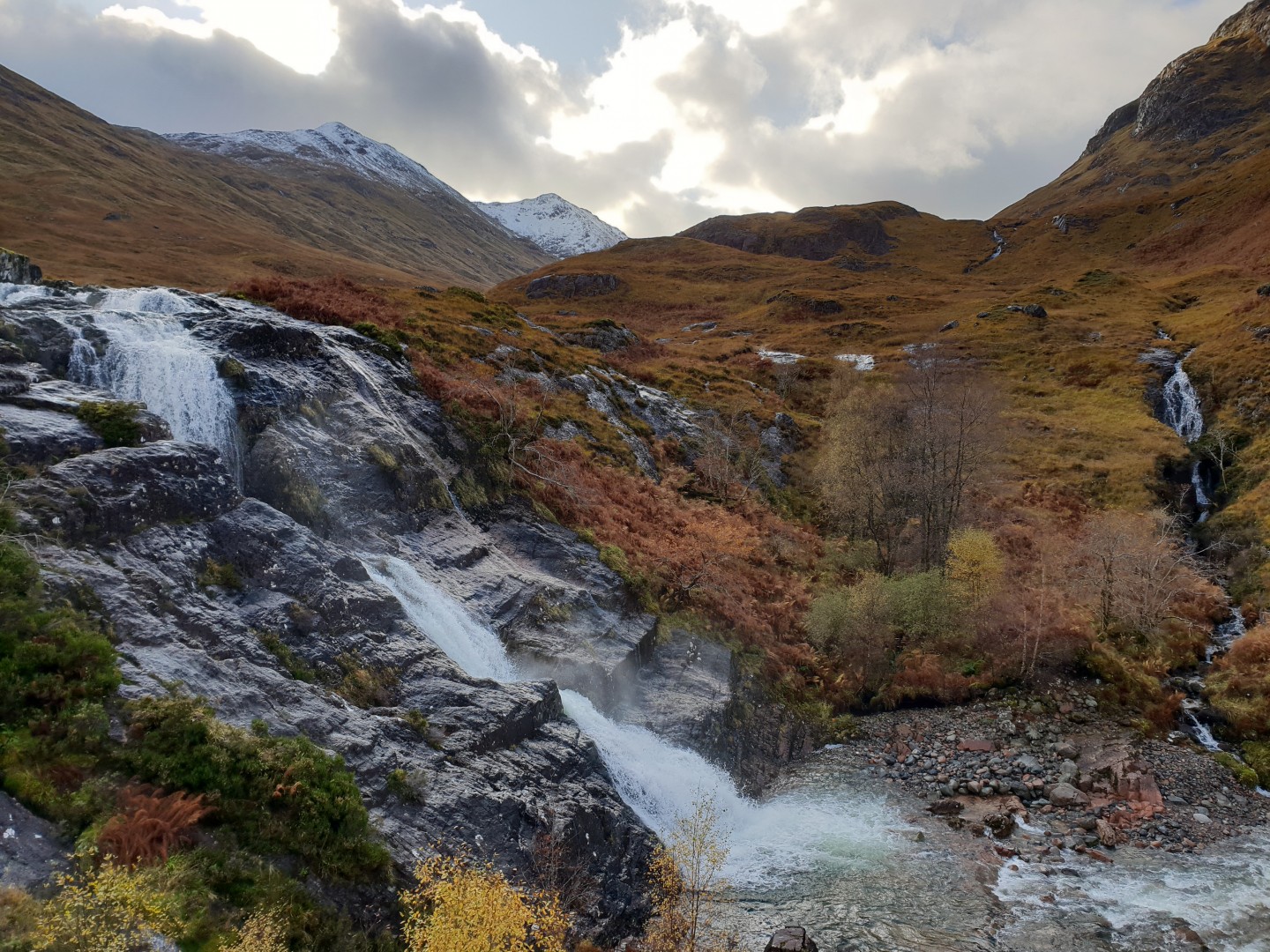
Scotland in autumn is a feast for the senses. Experience golden forests, crisp countryside walks, atmospheric festivals, and magical evenings beneath dark skies.
Autumn breaks
There's lots to do during autumn in Scotland. Find inspiration for half-term breaks and autumn holidays from family days out to walks and activities.
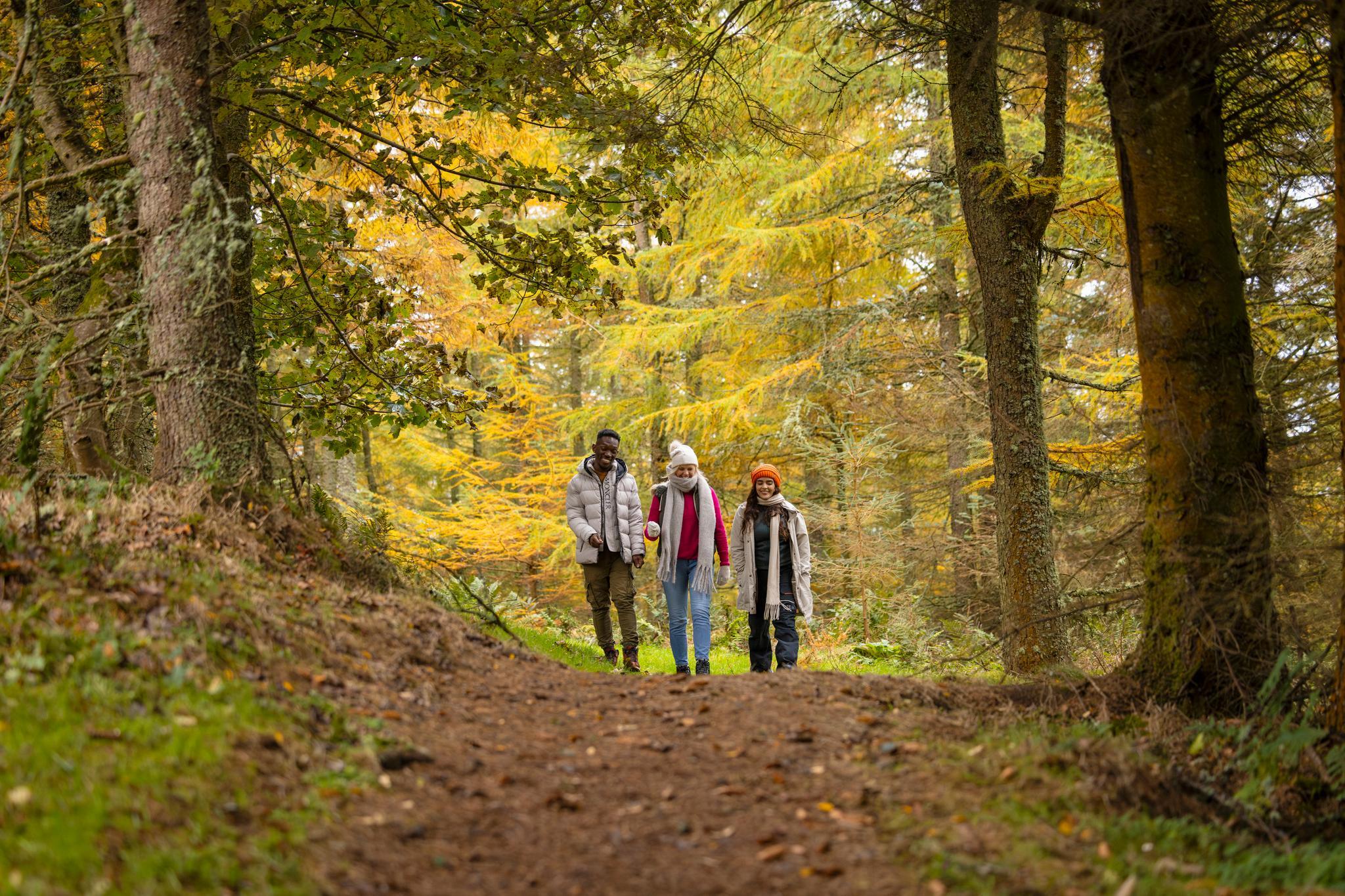
Scottish forests and woodlands
Explore Scotland’s most beautiful forests and woodlands, from ancient trees and peaceful trails to spectacular landscapes and wildlife.
Walking in Scotland
Find out about walking in Scotland including route guides, walking tours, mountains and hills, forests and woodlands, lochs and coastlines, and more.
Scotland as seen on TV!
From Tara Lipinski and Johnny Weir's luxury Scotland itinerary to local suggestions on the highlights of Glasgow and Dumfries & Galloway, check out this top advice on trips across Scotland.
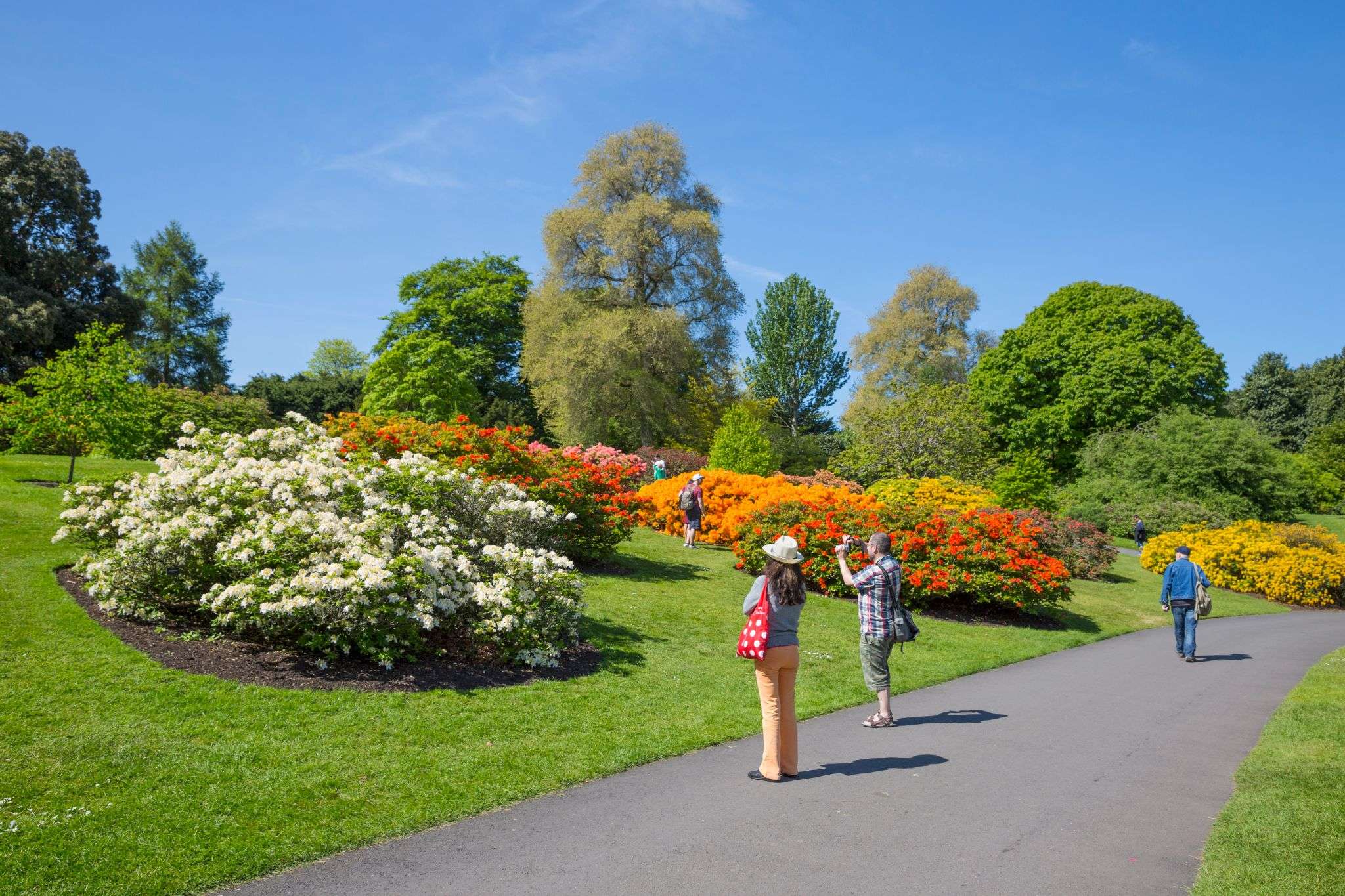
Tara & Johnny's luxury Scotland itinerary
Have you been inspired by Tara & Johnny's Scotland itinerary as seen on NBC's Extra Mile Club? Read on and plan your own Scottish adventure.
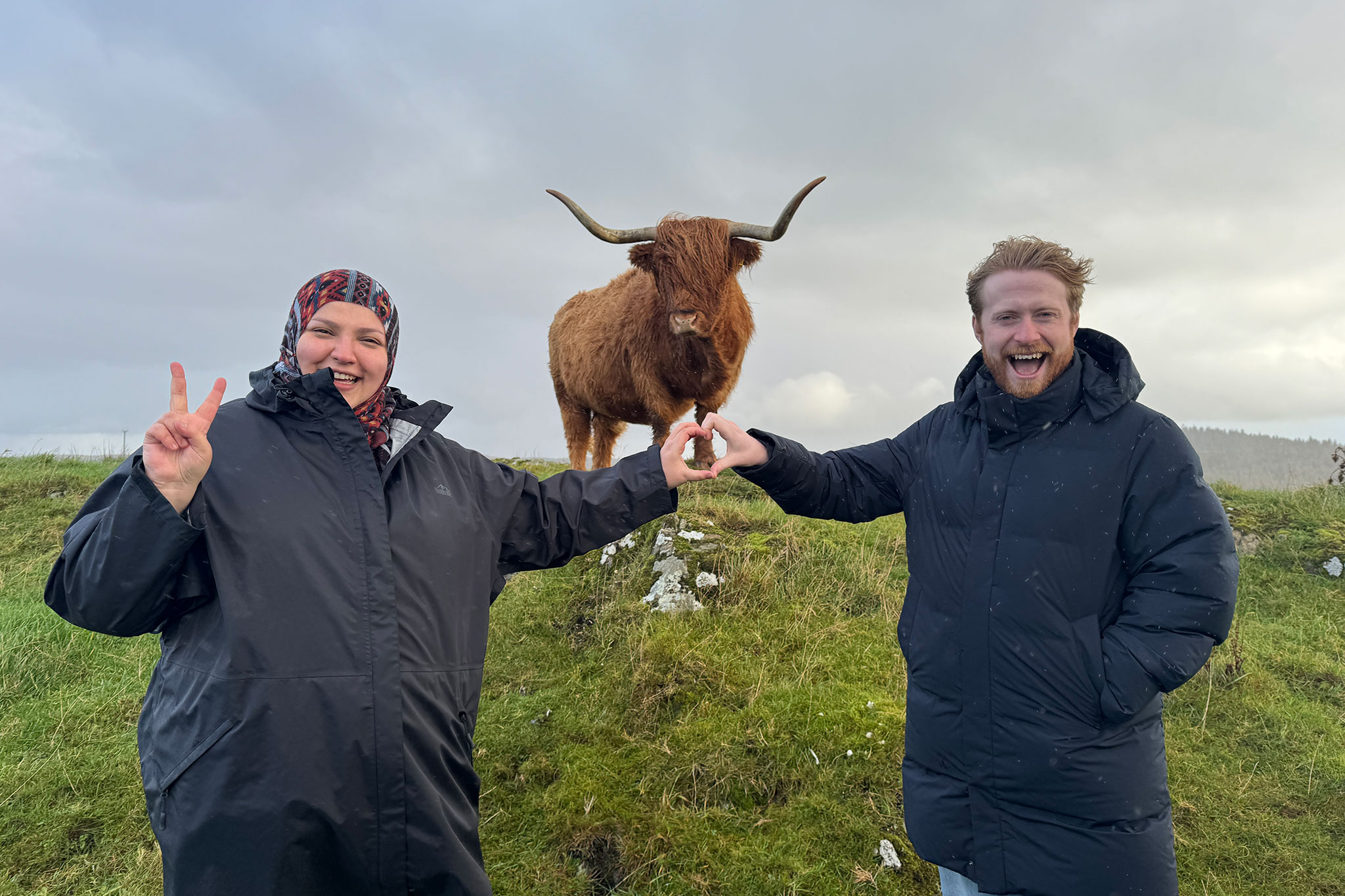
Channel 4's Where to next? Scotland itinerary
Follow in the footsteps of comedians Fatiha El-Ghorri and John Tothill on their unforgettable journey through Scotland.
Scotland trip itineraries
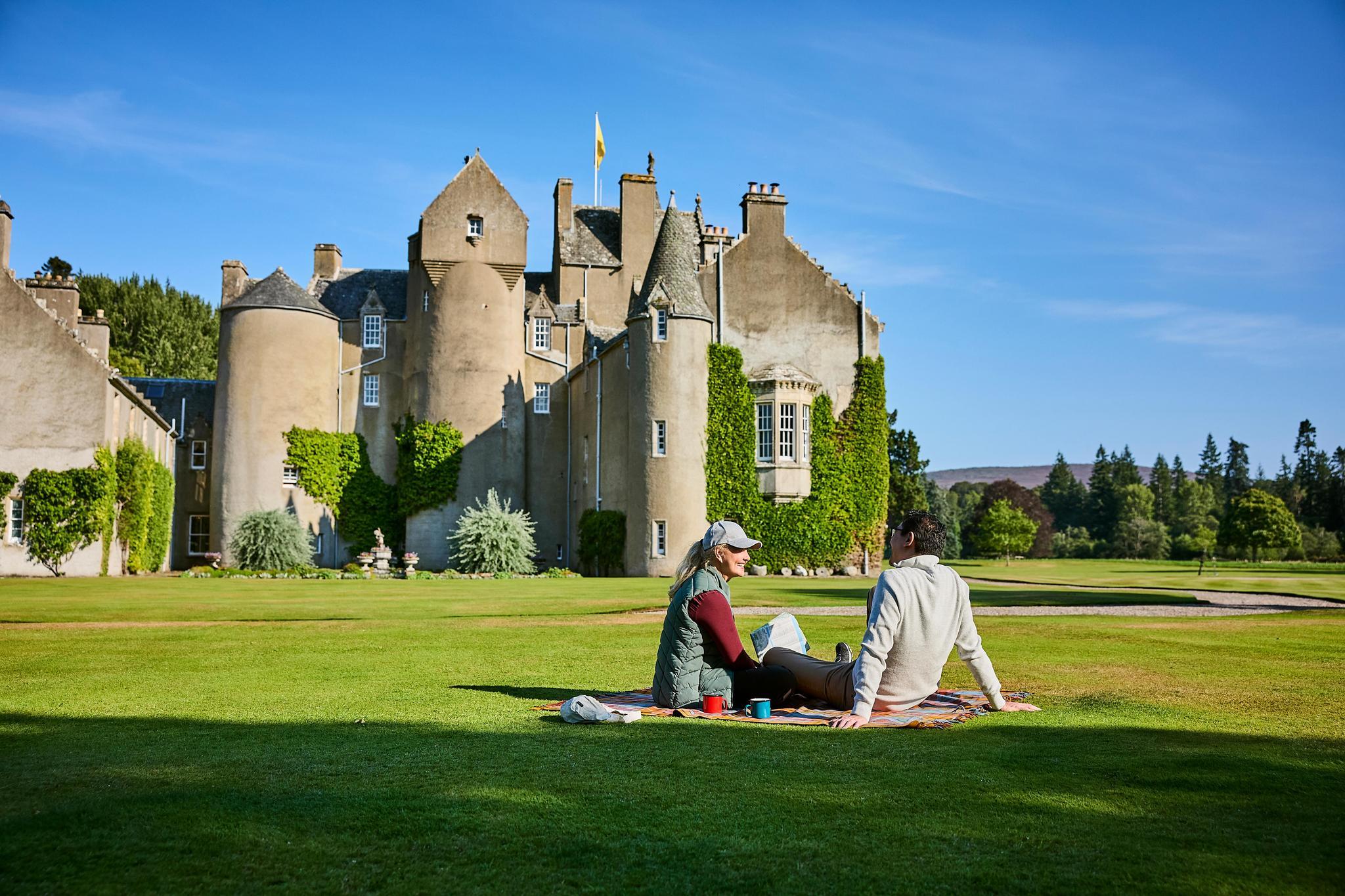
Plan your days in Scotland with the help of our suggested itineraries.

Share On