:

  • English
  • Español
  • Italiano
  • Deutsch
  • Nederlands
  • Français
Navigation generated at 2026-6-16 4:15:51
    • Destinations

      Villes

      • Villes
      • Aberdeen
      • Dundee
      • Dunfermline
      • Édimbourg
      • Glasgow
      • Inverness
      • Perth
      • Stirling

      Destinations populaires

      • Ben Nevis
      • Le parc national des Cairngorms
      • Glencoe
      • Le Loch Lomond
      • Le Loch Ness

      Les towns et petites villes d’Écosse

      • Les towns et petites villes d’Écosse
      • Aviemore et les Cairngorms
      • Dumfries
      • Fort William
      • Kirkwall
      • Lerwick
      • Oban
      • Peebles
      • Pitlochry
      • St Andrews

      Les îles d’Écosse

      • Les îles d’Écosse
      • L’île d’Arran
      • L’île d’Islay
      • L’île de Jura
      • L’île de Lewis & Harris
      • L’île de Mull
      • Les îles Orcades
      • Les Hébrides extérieures
      • Les îles Shetland
      • L’île de Skye

      Régions

      • L’Aberdeenshire
      • L’Argyll et ses îles
      • L’Ayrshire & l’île d’Arran
      • Le Dumfries & Galloway
      • Dundee et l’Angus
      • Édimbourg et les Lothians
      • Le Fife
      • Glasgow et la vallée de la Clyde
      • Les Trossachs et la vallée de la Forth
      • Les Highlands
      • Le Perthshire
      • Les Scottish Borders
    • Activités et attractions

      Attractions & sites touristiques

      • Attractions & sites touristiques
      • 20 attractions incontournables
      • Clans
      • Arts et culture en Écosse
      • Châteaux
      • Attractions gratuites
      • Histoire et patrimoine
      • Lieux de tournage

      Activités en extérieur

      • Activités en extérieur
      • Cyclisme
      • Golf
      • VTT
      • Randonnée
      • Activités et sports nautiques

      La gastronomie écossaise

      • La gastronomie écossaise
      • Le gin
      • Le whisky écossais

      Nature et paysages

      • Nature et paysages
      • Les plus belles plages d’Écosse
      • Ben Nevis
      • Lochs
      • Parcs nationaux
      • Aurores boréales
      • 7 cercles de mégalithes en Écosse
      • La faune sauvage d’Écosse

      Circuits, excursions et itinéraires

      • Circuits, excursions et itinéraires
      • Séjours et vacances d’île en île
      • Itinéraires
      • Itinéraire UNESCO d’Écosse
      • Circuits et excursions
      • Trails & Itinéraires de randonnée

      Événements et festivals

      • Événements et festivals
      • Les festivals d’Édimbourg et le Fringe
      • Les Jeux des Highlands
      • Les festivals de musique écossais
    • Hébergements

      Hôtels et hébergements

      • Maisons et chambres d’hôtes
      • Hôtels économiques et petit budget
      • Auberges de jeunesse
      • Hôtels

      Camping et caravanes

      • Camping et caravanes
      • Glamping
      • Camping sauvage

      Locations et gîtes de vacances

      • Locations et gîtes de vacances
      • Cottages de vacances

      Autres hébergements

      • Séjours et vacances de luxe
    • Infos pratiques

      Se rendre en Écosse

      • Depuis l’Angleterre et le Pays de Galles
      • Depuis l’Europe
      • Depuis l’Amérique du Nord
      • Depuis d’autres continents

      Travel in Scotland

      • Prendre l’avion en Écosse
      • Bus & car
      • Les ferries en Écosse
      • FAQ sur les voyages en train

      L’Écosse en voiture

      • L’Écosse en voiture
      • Louer un véhicule en Écosse
      • Itinéraires scéniques
      • Véhicules électriques

      Quand visiter l’Écosse ?

      • Quand visiter l’Écosse ?
      • Printemps & Pâques
      • Été
      • Automne
      • Hiver, Noël & Nouvel An

      Infos pratiques

      • Brexit
      • Tourisme responsable et écotourisme
      • FAQ
      • Notre Calculateur d’empreinte carbone
      • Offres et réductions de voyage
      • Passeports et visas
      • Météo et climat

      Conseils et inspiration

      • Infos & conseils de sécurité
      • Blog de voyage
      • Newsletter

      Types de vacances

      • Vacances et séjours accessibles
      • 15 des plus beaux lieux et destinations en Écosse
      • Vacances petit budget en Écosse
      • Séjours à la campagne
      • Vacances en famille
      • Séjours à la ferme
      • 11 destinations hors des sentiers battus en Écosse
      • Guide de voyage solo
      • Weekends et courts séjours
      • Séjours bien-être en Écosse
  • Carte de l’Écosse
BETA: Notre site évolue afin de vous offrir une meilleure expérience
Votre feedback nous aide à l’améliorer.
  1. Accueil
  2. Activités et attractions
  3. Nature et paysages
  4. La faune sauvage d’Écosse

A beginner's guide to Scottish wildlife

Scottish wildlife – where do you begin? In this guide, experts share their views on what to see and how to watch wildlife responsibly. With thanks to NatureScot, Wild Scotland and The Scottish Wildlife Trust.  

Highland Safaris & Red Deer Centre

© VisitScotland / Kenny Lam

Your wildlife questions answered

In depth answers from Scottish wildlife experts. 

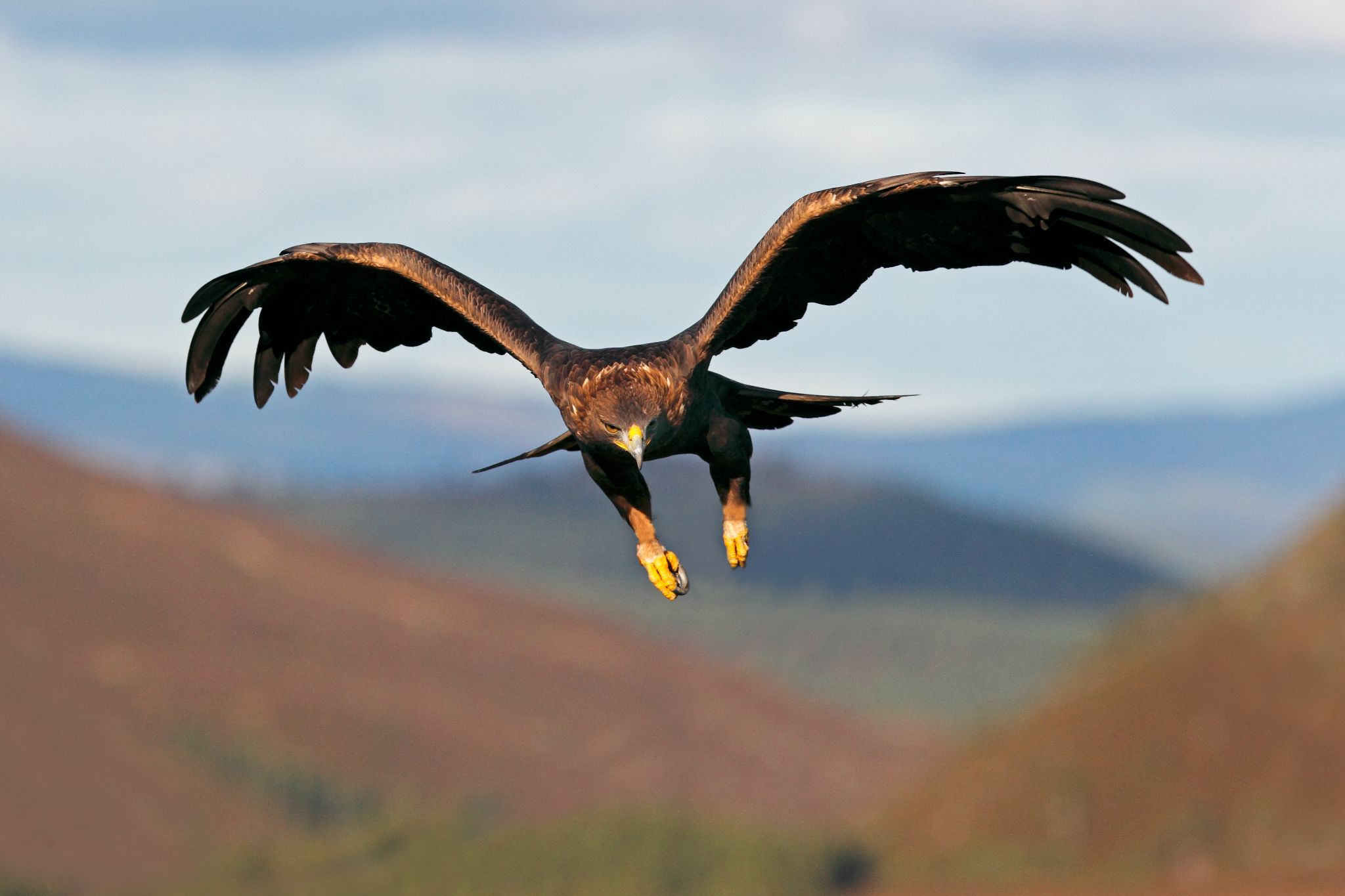
Un aigle royal en plein vol

1. Where are the best places for wildlife in Scotland? 

Speyside is an outstanding area with several species not found elsewhere in the UK, including crested tit and capercaillie. Look out for ptarmigan, dotterel, breeding snow buntings, pine marten, red squirrel and lots more.  

Mull is very special with good populations of both golden and white-tailed eagles, otters, hen harrier, short-eared owls and other raptors. Shetland is also high on the list with orcas now sighted regularly and massive seabird colonies including a fabulous European storm petrel colony on Mousa. 

The Outer Hebrides have large numbers of raptors plus lots of nesting waders and nesting red-necked phalaropes and corncrakes. Other parts of Scotland can be exceptional in winter for enormous flocks of geese – such as on the Solway and on Islay – and these areas have plenty of other wildlife too.  
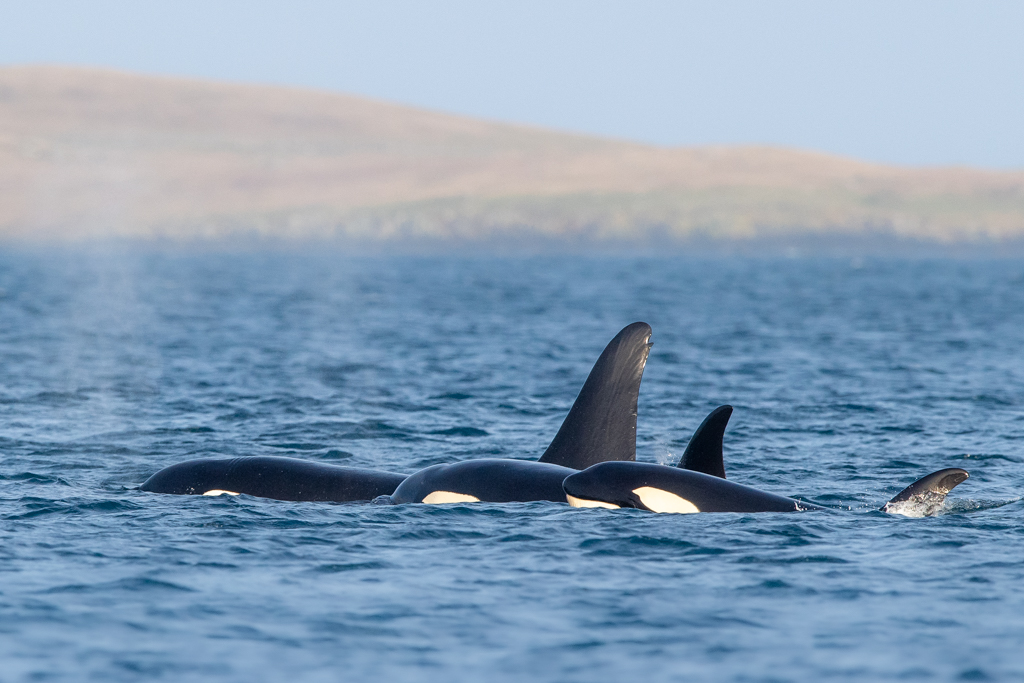
A pod of orcas off the coast of Shetland

Un groupe d’orques au large des îles Shetland

© Brydon Thomason

2. What is the rarest animal in Scotland?  

It has to be Scottish wildcat with around 400 true individuals. If we include birds, then it would be Scottish crossbill. At present this has a population estimated at around 6,800 pairs. 

3. What is the biggest wild animal in Scotland?  

Red deer is our largest land mammal. In the seas there have been records of blue whale which is the biggest mammal on earth. This is very rare in the UK however, and they don’t stay in UK waters full-time so might not be considered Scottish. If we consider sea mammals that are in Scottish waters full-time, then it must be minke whale at 10m closely followed by orca at 8m. 
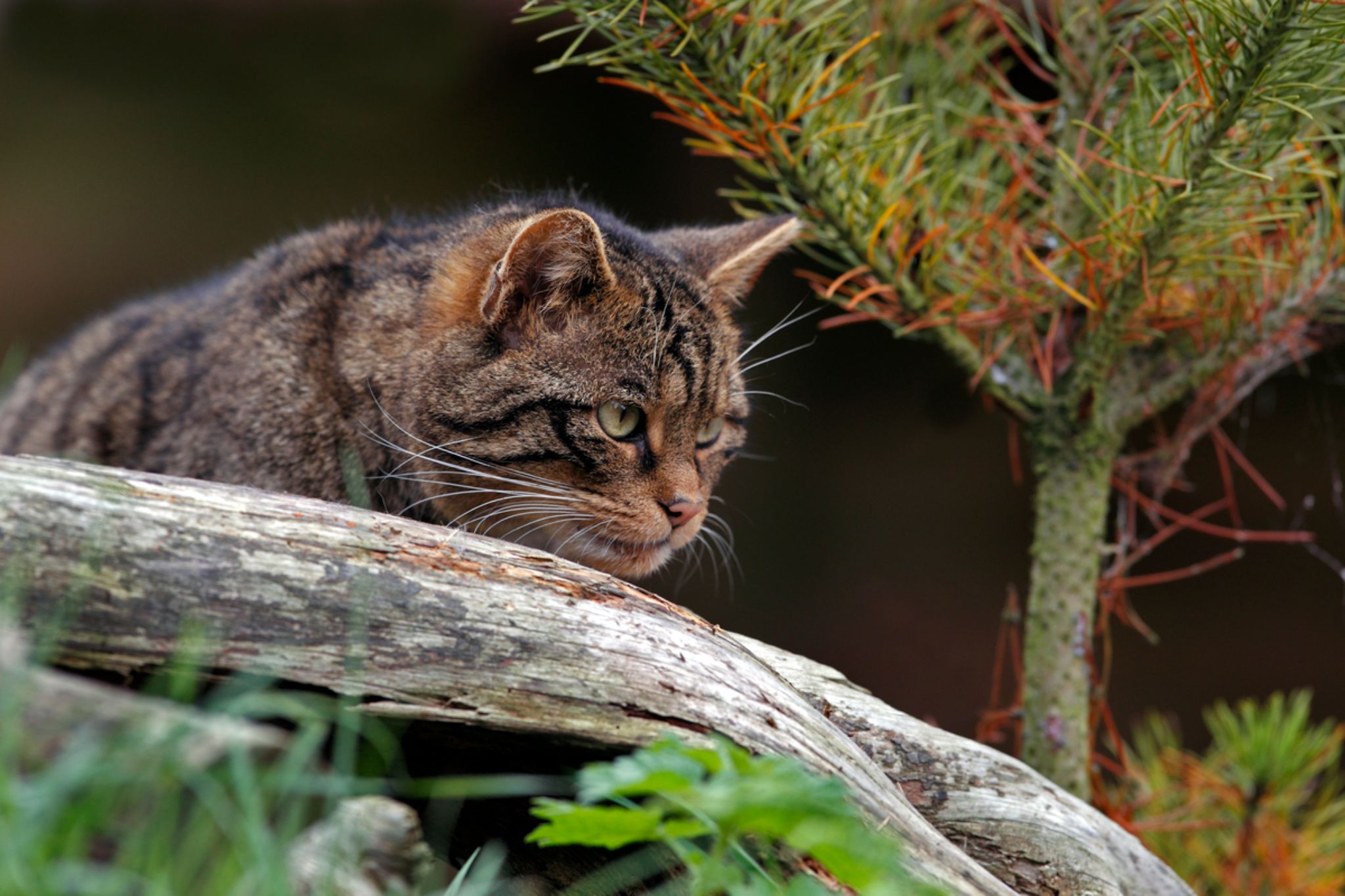
Un chat sauvage d’Écosse

4. What animals can only be found in Scotland? 

There are no endemic mammals but there is one bird found only in Scotland - the Scottish crossbill. There are a few subspecies (such as Scottish wildcat, St Kilda wren) but if you go down that road it soon gets very complicated.

There are two flowering plants - Scottish primrose and Shetland mouse-ear and one grass - Scottish small-reed - all unique to Scotland. 

5. What are the threats to Scottish wildlife?   

There are five major threats to Scottish wildlife. These include climate change, overexploitation of species and natural resources, habitat loss, the impact of invasive non-native species and pollution. Reversing the loss of our nature can help us counteract these effects and adapt to the impacts of climate change we are already facing.  

Photographie animalière à la plage de Fraserburgh, Aberdeenshire

© Discover Fraserburgh / Damian Shields

6. What is the advice for taking photos/ drone shots of animals?   

Recreational photography is a great way of engaging with nature. However, you should keep your distance and follow The Nature Photographers’ Code of Practice | PDF 0,8MB. The key thing to remember when photographing wildlife is that you must not disturb any wild animal or put it at risk.  

Disturbance by drones can seriously impact on wildlife and other visitors’ quiet enjoyment of the countryside. If flying a drone, you must comply with the Civil Aviation Authority’s guidance, including the Drone Code. Take extra care to avoid disturbing wildlife, which may be an offence. If in doubt, ask the site manager. If visiting one of Scotland’s National Nature Reserves managed by NatureScot, email nnr@nature.scot.  

7. How can I get involved in volunteering or conservation work?  

Volunteering in the outdoors is a great way to make friends, have new experiences and make a positive contribution to nature conservation. It is also beneficial for your health and wellbeing.

There are different ways you can do this, from volunteering in your local community garden or litter-picking group, to carrying out citizen science such as bird counting, or taking up a volunteering post at a nature reserve. Feel free to get in touch with NatureScot for more information and for the top 10 ways to help nature each season visit: 
Make Space for Nature  

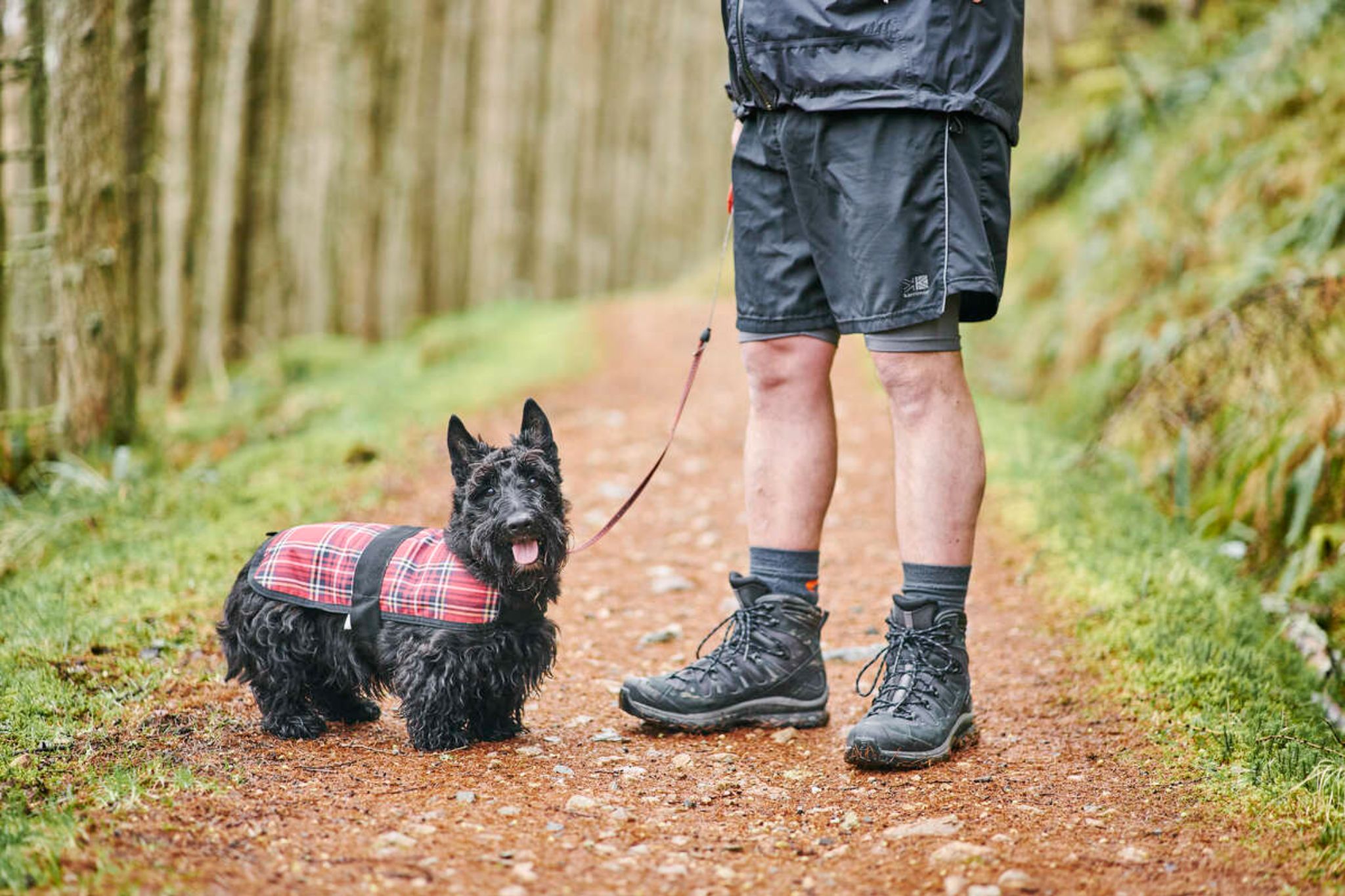
Un terrier écossais lors d’une promenade en forêt

© Forestry and Land Scotland

8. What wildlife projects are underway or planned in Scotland?  

Great wildlife projects are happening throughout Scotland, with many funded through the Nature Restoration Fund operated by NatureScot. There are various initiatives from restoring floodplains for Freshwater Pearl Mussels to hedgerow habitat management. Species on the Edge, Saving Scotland’s Red Squirrels, and the South of Scotland Golden Eagle Project are all projects currently underway, and you can find out more about them on the NatureScot website.  

9. How does Scottish wildlife compare to other countries?   

Scotland is a magnet for bird and marine life; we are on a key migration route for many species, so the diversity of wildlife can change dramatically from season to season, in addition to our resident terrestrial species. 

Unfortunately, the impact of people (past and present) is everywhere. As a result, we are lacking some very important keystone species. This means that unlike some European countries we do not have some of the large mammals and natural predators or vast ancient woodlands.  

Scotland could support more of these species in the future. Efforts in species reintroductions, land restoration and policy changes have started making an impact. There are many sites where you can witness these initiatives in action and it is vital that we continue these efforts to better support more wildlife. 

Un cerf élaphe dans les Highlands

© Neil McIntyre

10. How much do our landscapes support wildlife?  

Scotland offers an array of truly breathtaking landscapes with many beautiful features all in close proximity. The variety of Scottish landscapes and their closeness to one another is important. You are never far from the spectacular coastline or from a beautiful loch, or tumbling burn, so aquatic life is a key part of Scotland’s wildlife.  

Rising from the sea are windswept cliffs, dunes and grasslands. There are narrow glens and wide plains. The hills and mountains rise out of these landscapes. This diversity of landscapes provides a wealth of opportunities for all sorts of species, especially birds that will utilise all these different niches.  

Micro-climates also play a big part in the distribution of the wildlife, with steep sunny slopes, windy crags, wet meadows, frost pockets, humid gullies and temperate rainforests. Our flora and insects are especially diverse and special as a result. 

11. What is the unique wildlife of the Scottish Highlands? 

A day out in Scotland offers the opportunity to see so much different wildlife. We can be out on the hill spotting red deer, golden eagle, white-tailed eagle, large heath butterflies and emperor moths and look down to the sea to see otters, dolphins, porpoises and, if we’re lucky, whales or basking sharks.  

The woodlands, especially the Atlantic rainforests, are rich with rare mosses, ferns and lichens. The conifer forests are home to red squirrels and pine martens. Our internationally important peatlands are rich with asphodels, bog mosses, sundews and cotton-grass. The mountain tops boast Arctic and alpine plants, whilst the sandy, windswept coastal grasslands are some of the most floristically rich habitats in the UK.  

Thank you to our wildlife experts

1-4: Cath Wright, Board Chair, Wild Scotland 

5-8: Dougie Pollok, Biodiversity Engagement and Learning Manager, NatureScot 

9-11: Steve Wheatley, Reserves Manager – North Area, Scottish Wildlife Trust 
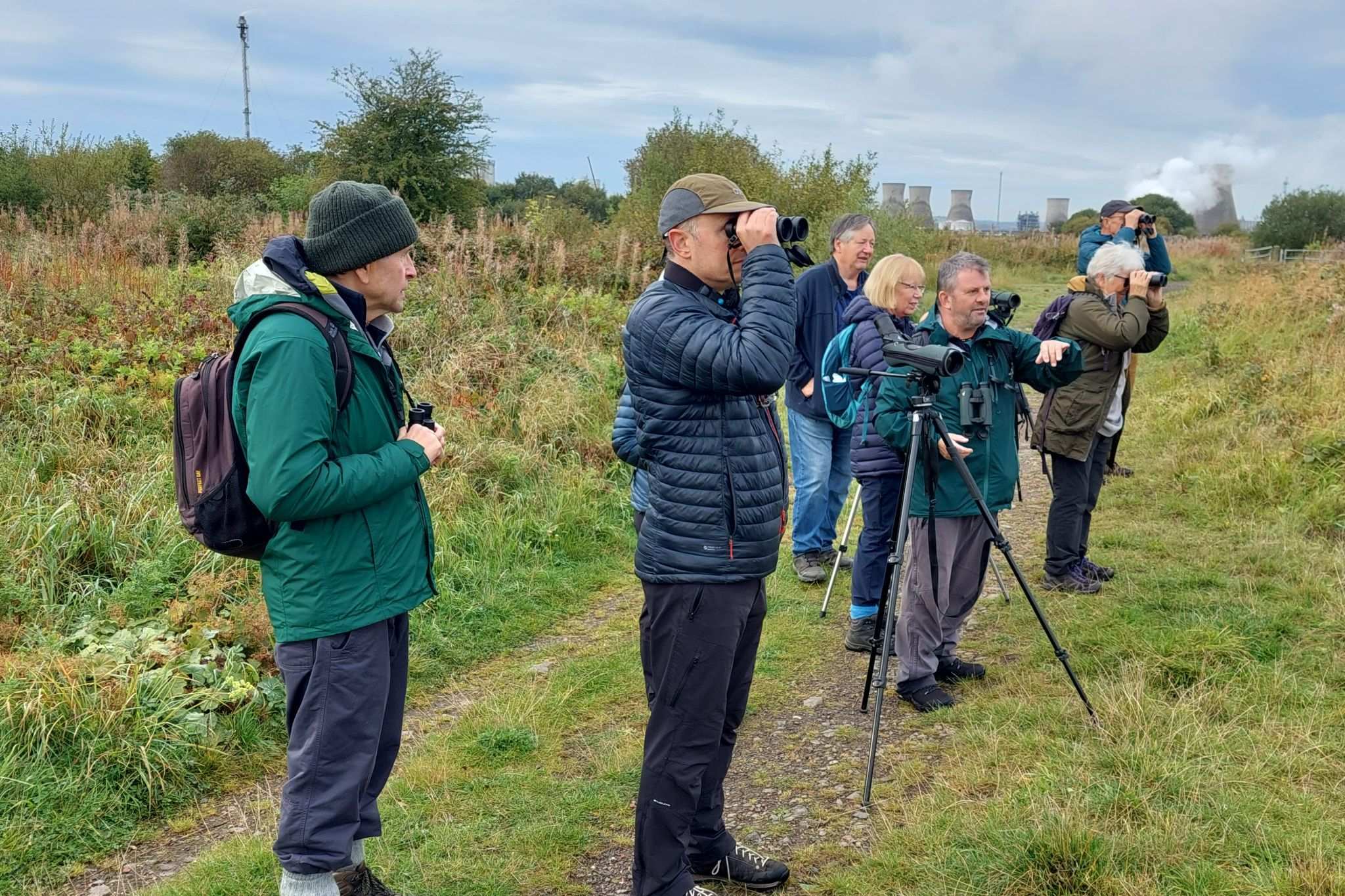
Wildlife watching - we tried it!

A bird identification walk with The Scottish Ornithologists' Club   

by Alasdair Peoples 

A bird identification walk with the Scottish Ornithologists' Club

Promenade de découverte des oiseaux avec le Scottish Ornithologists’ Club

© Eilidh McNab

Birdwatching, or ‘birding’, has become increasingly trendy in Scotland. As a complete novice, I wanted to find out a little bit more, so I joined a Bird Identification Walk in Musselburgh, East Lothian. Our location was the lagoons at Levenhall Links, and we were looking for wading birds and wildfowl. I had no idea until I arrived that this is one of the best locations in the UK for birding! 

I joined a small group led by expert guide Scott Paterson from the Scottish Ornithologists’ Club (SOC), an organisation that promotes the study, enjoyment and conservation of wild birds and their habitats across Scotland. I was provided with a very nice set of binoculars which were immediately put to use when a kingfisher flew along the estuary beside us!

Scott knowledgeably introduced us to a variety of birds including long-tailed ducks, goldeneyes and curlews - some from very far-flung places. I was excited to find out that many of the birds are named after their calls – such as chiffchaffs! 

The lagoons here are manmade, but the birds seem drawn to them because they are quiet with few predators. There are hides which we visited too, where you can sit and watch nesting birds. I think my favourite thing I learned was that skylarks can sing over 400 notes, and their songs are always different – a bit like freestyle jazz. It was great to see them darting and dancing overhead.

All in all, I was actually amazed at the number of different birds you could see here in just a few hours. Learning about the wildlife you can see on a Scottish walk can really open your eyes to your surroundings. 

To find out more about Scottish birding and guided walks visit the SOC website 

Wildlife holidays

Experience an orca’s tail crashing into the water in Shetland or the roar of a red deer in the Highlands. Choose your perfect wildlife holiday in Scotland.

13 Beautiful nature reserves to explore in Scotland

It’s time to get out on the road and discover (or rediscover!) some of the many nature reserves which Scotland has to offer.

12 Scottish harbours & seaside towns you must visit

Experience Scotland's coast with these Scottish harbours & seaside towns.

11 Beautiful lochs in Scotland

From vast lochs to hidden lochans, Scotland’s waters sparkle across the landscape.

Partager sur

Facebook
Pinterest
WhatsApp
Twitter
E-mail

Vous aimerez aussi...

Devenez membre de notre clan

Laissez-vous inspirer par l’Écosse directement dans votre boîte mail. Ne manquez pas les conseils de nos experts en Écosse sur les idées d’excursions, les attractions uniques et les perles rares prisées des locaux.

S’inscrire à notre newsletter

Nous contacter

  • Nous contacter
  • Commentaires et plaintes

Nos autres sites

  • Événements professionnels
  • Business Support Hub
  • L’industrie du tourisme
  • Médiathèque
  • Entreprises
  • Brand Scotland

Rejoignez-nous sur

Rejoignez-nous sur

  • Qui sommes-nous ?
  • Accessibilité
  • Utilisation acceptable
  • Cookies
  • Politique environnementale
  • Confidentialité
  • Déclaration de confidentialité
  • Réseaux sociaux
  • Conditions d’utilisation
Brand Scotland

© 2026 VisitScotland. All rights reserved.