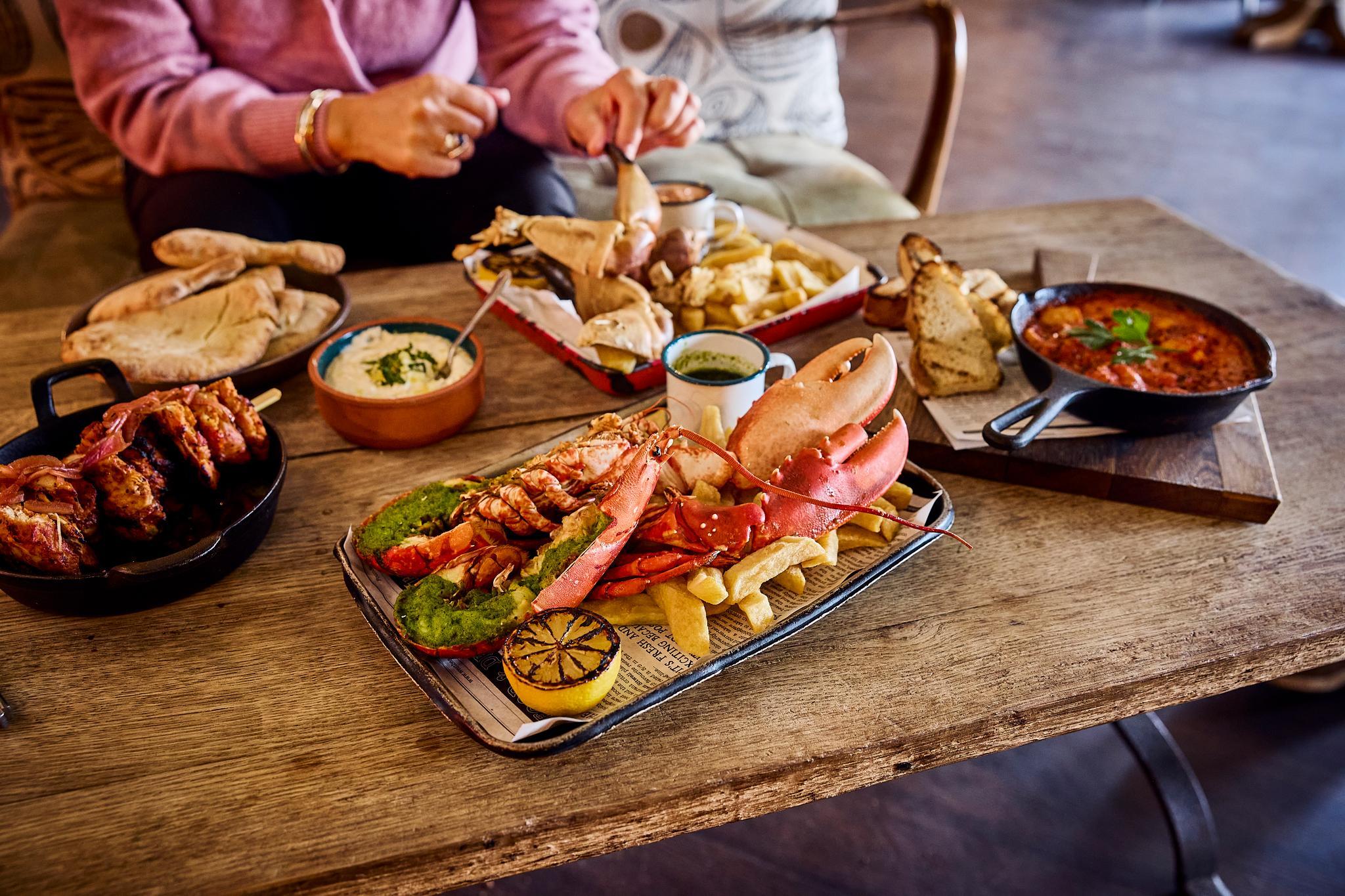
Haggis bij Mharsanta, Glasgow
© Mharsanta
Schots-Gaelisch
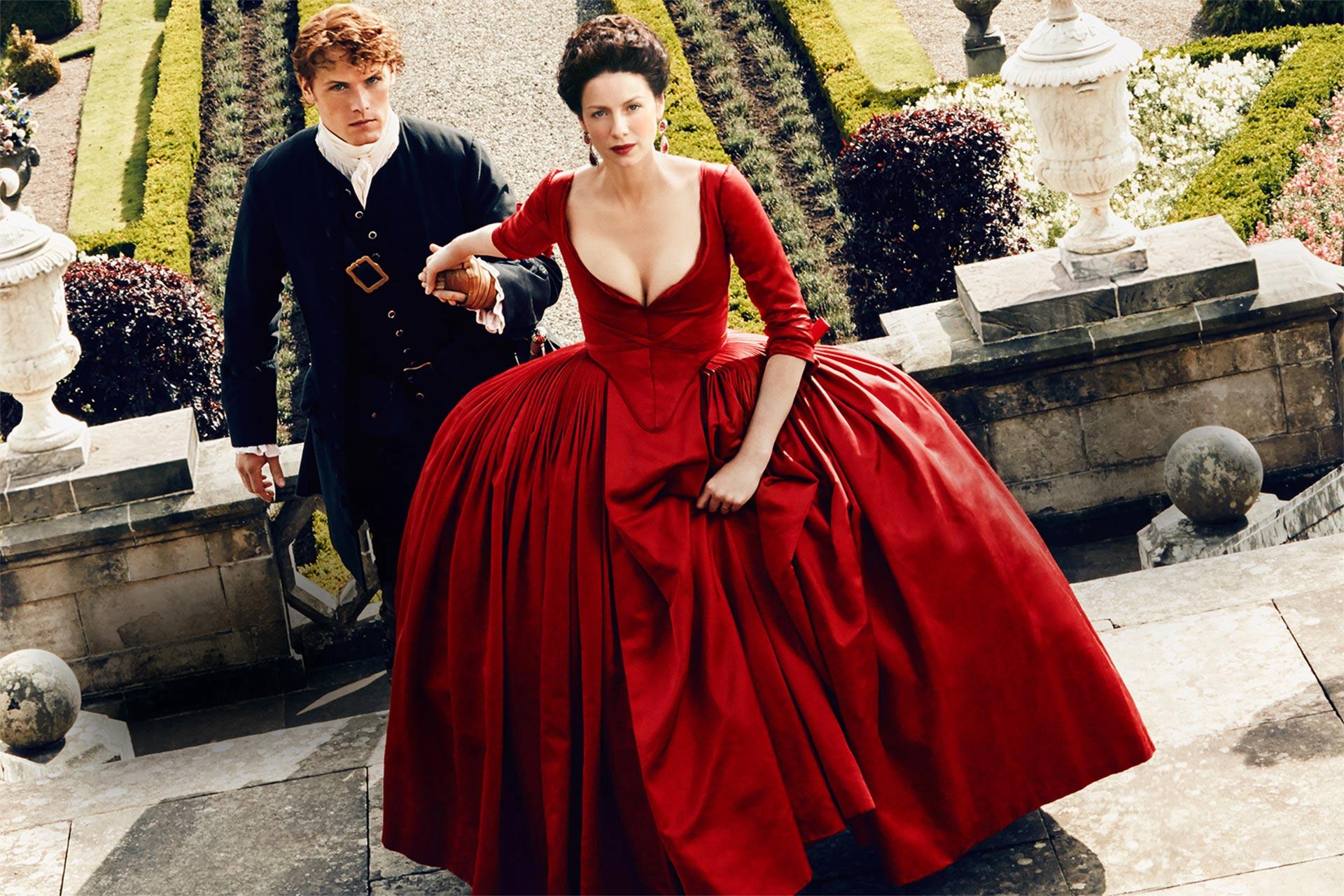
Schots-Gaelisch (Gàidhlig) is een van de officiële talen van Schotland en is tot de dag van vandaag bepalend voor de kunst- en cultuurscene van het land, van muzikale invloeden en plaatsnamen tot polulaire tv-series zoals Outlander. Tegenwoordig spreken zo'n 70.000 Schotten Gaelisch.
Lees meer over het Schots-Gaelisch
Whisky
Een reis naar Schotland is niet compleet zonder onze nationale drank te proberen. Je vindt meer dan 130 actieve distilleerderijen in ons land, waarbij vele verschillende rondleidingen aanbieden. Neem een kijkje achter de schermen van het distilleerproces en proef enkele van de beste whisky's.
Haggis
Bij een goed glas whisky hoort een stevige portie haggis. Het Schotse nationale gerecht wordt traditioneel gesproken geserveerd met knolraap (neeps) en aardappelen (tatties), en staat bij veel pubs en restaurants op het menu. Op Burns Night en St Andrews Day, de Schotse nationale feestdag, eten veel Schotten dit traditionele gerecht.
Ben Nevis, Fort William
© VisitScotland / Airborne Lens
Mooie landschappen en natuur
Als het om natuurschoon gaat, dan weet Schotland wel te imponeren. Met Ben Nevis (de hoogste berg van Schotland), twee nationale parken, Europa's eerste Dark Sky Town en 282 munro’s is dit nog maar het begin van je fascinerende ontdekkingsreis in de buitenlucht.
Laat je betoveren door de natuur in Schotland
Kilts en tartan
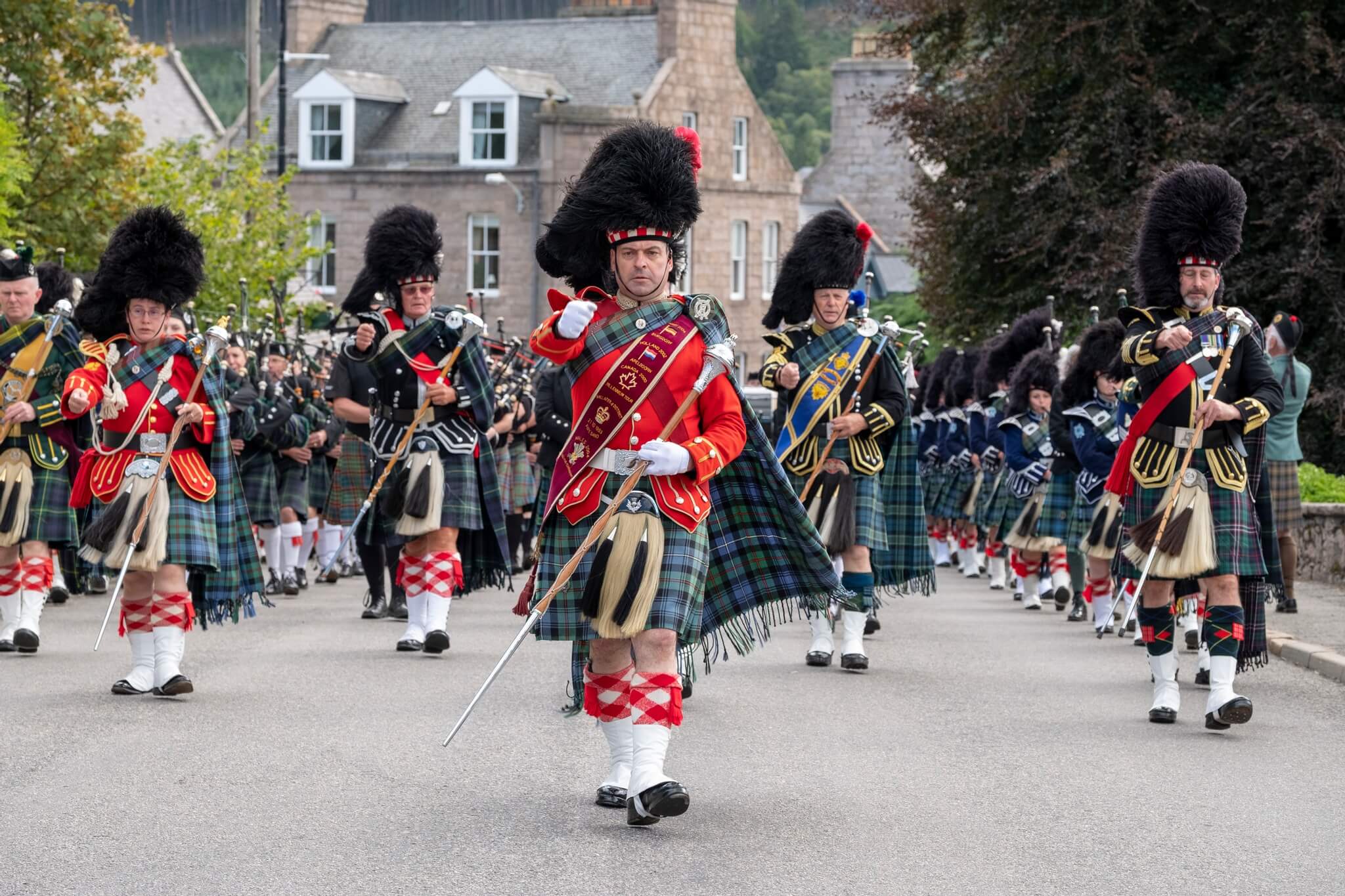
Kilts en tartan staan centraal in het Schotse cultuurerfgoed en dateren al uit de 3e en 4e eeuw. In Schotland vind je tal van fabrieken waar deze bekende stof wordt geproduceerd, evenals musea die de oorsprong en populariteit ervan door de jaren heen uitleggen.
Het National Museum of Flight, East Lothian
© VisitScotland / Kenny Lam
Waar kan ik meer te weten komen over de Schotse geschiedenis?
Schotland heeft een enorm aanbod aan musea die je nieuwsgierigheid het hele jaar door met speciale tentoonstellingen en exposities wekken. Bezoek het National Museum of Scotland in Edinburgh, waar je alles over de Schotse geschiedenis, wetenschap en popcultuur kunt ontdekken. Bekijk een collectie vliegtuigen van wereldklasse en luister naar fascinerende verhalen over de mensen die ze hebben gebouwd in het National Museum of Flight in East Lothian. Op de Shetlandeilanden in het noorden beleef je niet alleen een eilandavontuur, maar kun je ook het Shetland Museum and Archives verkennen met zijn interactieve tentoonstellingen. Of bezoek het Highland Folk Museum, het eerste openluchtmuseum van Groot-Brittannië. Hier heb je de mogelijkheid om je te verplaatsen in het leven in de Hooglanden van de 18e eeuw tot de jaren 1950.